
As more homeowners across the UK look for energy-efficient ways to heat their homes, heat pumps have become one of the most popular renewable heating solutions. They offer lower carbon emissions, improved energy efficiency, and the potential to reduce long-term heating costs. However, before making the switch, many people ask an important question: What makes a home suitable for a heat pump?
The good news is that most properties can successfully use a heat pump when the system is correctly designed and installed. At Wunergy, we help homeowners understand their property’s heating needs and recommend tailored heat pump solutions that deliver reliable performance and long-term value.
In this guide, we’ll explore the key factors that determine whether your home is suitable for a heat pump and explain how you can prepare your property for a successful installation.
Understanding How a Heat Pump Works
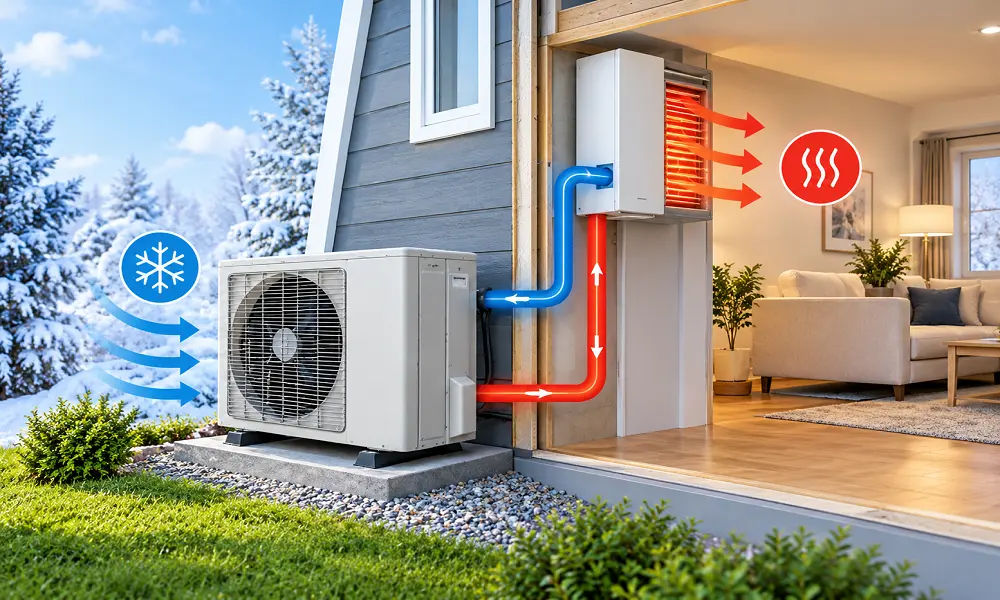
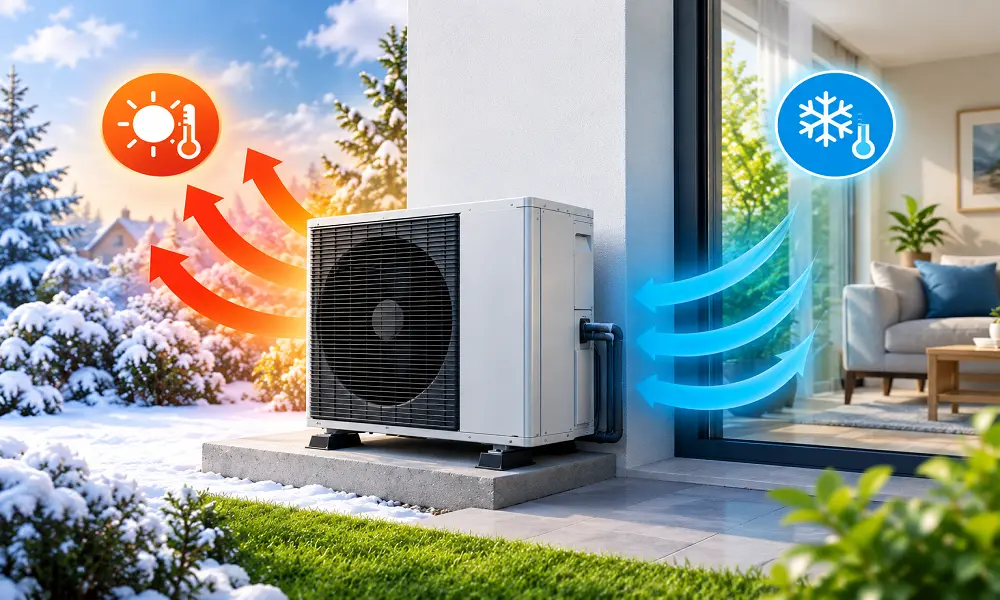
A heat pump captures renewable heat from the outside air and transfers it into your home to provide heating and hot water. Unlike traditional gas or oil boilers that generate heat by burning fuel, a heat pump moves existing heat from one place to another using electricity.
Because this process is highly efficient, heat pumps can produce several units of heat for every unit of electricity they consume. This makes them one of the most energy-efficient heating technologies available for UK homes.
Why Home Suitability Matters
Every property is different. The size of your home, its insulation, heating system, and hot water demand all influence how well a heat pump will perform.
A properly designed system ensures:
- Comfortable indoor temperatures throughout the year.
- Lower energy consumption.
- Reduced heating costs.
- Reliable hot water.
- Maximum system efficiency.
- Long equipment lifespan.
At Wunergy, every installation begins with a detailed property assessment to ensure the heat pump is correctly matched to the home.
Good Insulation Is the Foundation
One of the most important factors in heat pump performance is insulation.
Heat pumps work by providing a steady flow of warmth rather than short bursts of high heat. If your home loses heat quickly, the system has to work harder to maintain a comfortable temperature.
Improving insulation helps retain heat and allows the heat pump to operate more efficiently.
Areas to consider include:
Loft Insulation
A well-insulated loft can significantly reduce heat loss through the roof, helping your home stay warmer for longer.
Wall Insulation
Whether your home has cavity walls or solid walls, improving insulation can reduce energy loss and increase heating efficiency.
Floor Insulation
Insulating floors helps prevent heat from escaping through the ground level, especially in older properties.
High-Performance Windows
Double or triple glazing reduces draughts and improves the overall energy performance of your property.
Choosing the Right Heat Pump Size
Selecting the correct heat pump size is essential.
A system that is too small may struggle to keep your home warm, while an oversized unit can cycle on and off too frequently, reducing efficiency.
Professional installers calculate the correct size by considering:
- Total floor area.
- Number of rooms.
- Ceiling height.
- Insulation quality.
- Local climate.
- Household heating demand.
At Wunergy, we perform detailed heat loss calculations to ensure every customer receives a heat pump that matches their home’s specific requirements.
Existing Heating System
Many homeowners wonder whether they need to replace their entire heating system.
In many cases, existing radiators can continue to be used. However, some homes benefit from larger radiators or underfloor heating because heat pumps operate at lower flow temperatures than traditional boilers.
During a professional assessment, your installer will determine whether any upgrades are recommended.
Outdoor Space Requirements
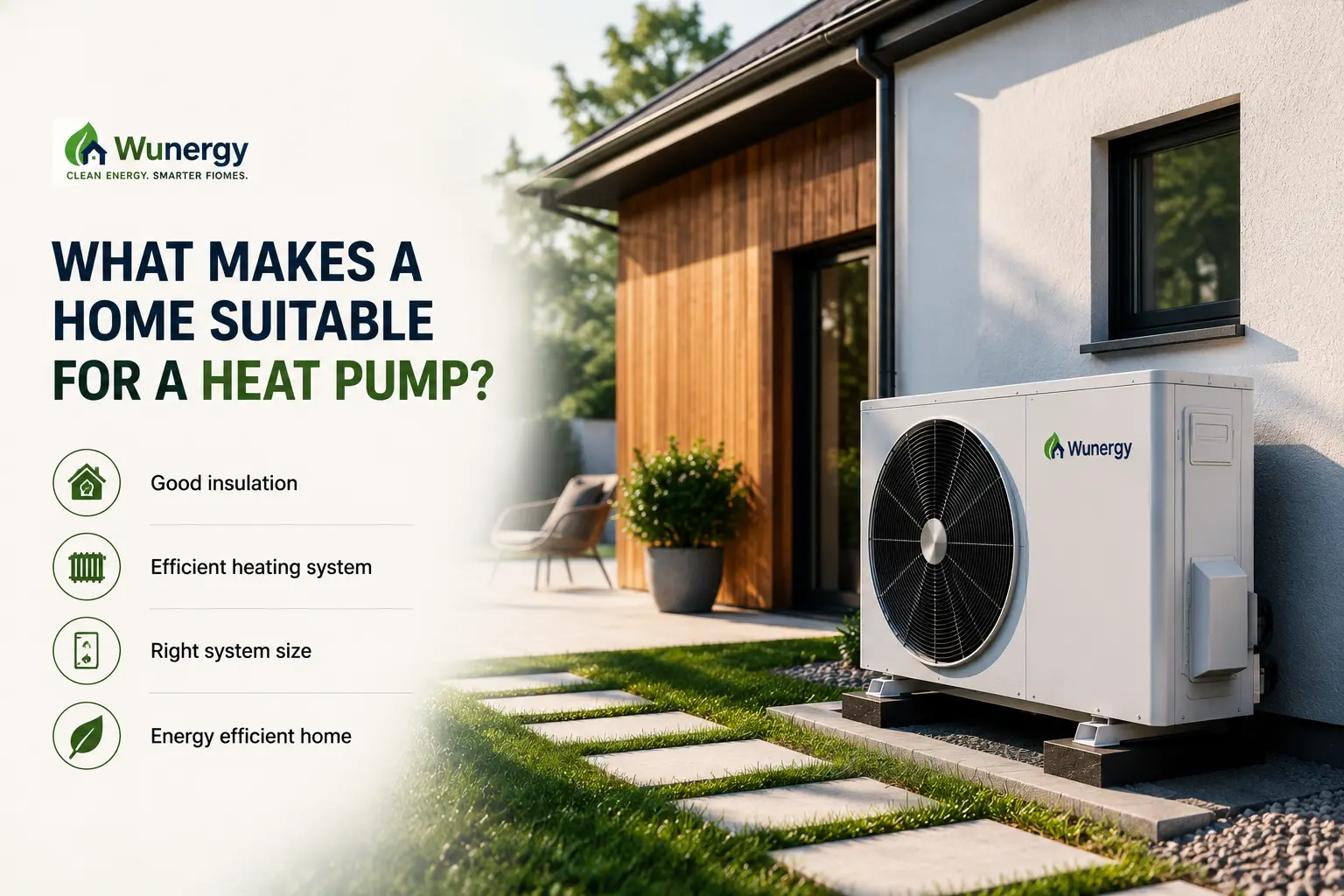
Air source heat pumps require an outdoor unit that absorbs heat from the surrounding air.
Most homes have sufficient space, including:
- Back gardens.
- Side pathways.
- Driveways.
- Courtyards.
The outdoor unit should have adequate airflow and enough clearance to operate efficiently.
Does Property Size Matter?
Property size affects the capacity of the heat pump rather than determining whether a home is suitable.
Small Homes
Flats, apartments, and smaller houses generally require lower-capacity systems that are efficient and cost-effective.
Medium Homes
Three-bedroom family homes usually require mid-sized heat pumps capable of providing heating and hot water.
Large Homes
Detached properties and homes with multiple bathrooms often need larger systems with higher heating output.
No matter the property size, choosing the correct system ensures consistent comfort and efficiency.
Energy Performance Certificate (EPC)
A home’s Energy Performance Certificate (EPC) provides an indication of its energy efficiency.
Homes with better EPC ratings often achieve higher heat pump performance because they retain heat more effectively.
If your EPC rating is lower, improving insulation before installation can deliver better long-term results.
Hot Water Demand
Heat pumps provide both space heating and domestic hot water.
The ideal system depends on:
- Household size.
- Daily hot water usage.
- Number of bathrooms.
- Lifestyle requirements.
Selecting the correct hot water cylinder ensures reliable performance throughout the day.
Can Older Homes Use Heat Pumps?
Absolutely.
One of the biggest misconceptions is that only newly built homes can benefit from heat pumps.
Many older UK properties successfully use heat pumps after simple improvements such as:
- Better insulation.
- Radiator upgrades.
- Heating control improvements.
At Wunergy, we regularly install heat pumps in both modern and traditional homes, helping homeowners enjoy improved comfort while reducing energy consumption.
Benefits of Installing a Heat Pump
Heat pumps provide more than just efficient heating.
Lower Energy Bills
Modern heat pumps consume less energy than many conventional heating systems, helping reduce household running costs.
Reduced Carbon Emissions
Using renewable heat helps lower your home’s environmental impact.
Consistent Indoor Comfort
Heat pumps provide gentle, even heating throughout the day, creating a comfortable living environment.
Low Maintenance
With regular servicing, heat pumps are reliable systems that require relatively little maintenance.
Future-Ready Heating
As the UK continues its transition to low-carbon energy, heat pumps are becoming one of the preferred heating solutions for homes.
Common Misconceptions
“My Home Is Too Old”
Age is rarely the deciding factor. The overall condition and energy efficiency of the property are far more important.
“Heat Pumps Only Work in Mild Weather”
Modern air source heat pumps are designed to operate efficiently during typical UK winter conditions.
“Installation Is Too Complicated”
Professional installers carefully assess your property and plan the installation to minimise disruption.
Why Choose Wunergy?
Choosing the right installer is just as important as choosing the right heat pump.
At Wunergy, we are committed to helping homeowners make informed decisions through expert advice and tailored renewable heating solutions.
Our services include:
- Professional property assessments.
- Detailed heat loss calculations.
- Bespoke heat pump recommendations.
- Expert installation guidance.
- Ongoing customer support.
We work closely with every customer to ensure their new heating system delivers maximum efficiency, comfort, and long-term value.
How to Prepare Your Home
Before installing a heat pump, homeowners should:
- Improve insulation where necessary.
- Arrange a professional home survey.
- Check the condition of existing radiators.
- Consider upgrading heating controls.
- Review available government grants.
Taking these steps can improve performance and help maximise your investment.
Final Thoughts
So, what makes a home suitable for a heat pump? The answer lies in a combination of good insulation, the correct system size, an efficient heating setup, and professional installation. Most homes in the UK, whether modern or traditional, can benefit from a heat pump when these factors are carefully considered.
At Wunergy, we believe every homeowner deserves a heating solution that is efficient, reliable, and built for the future. By carrying out a detailed assessment and recommending the right system for your property, we help you enjoy lower energy bills, greater comfort, and a more sustainable way to heat your home.
If you’re considering a heat pump, now is the perfect time to explore how renewable heating can transform your property’s energy efficiency and prepare your home for a greener future.