
What’s a Heat Pump? Pros and Cons
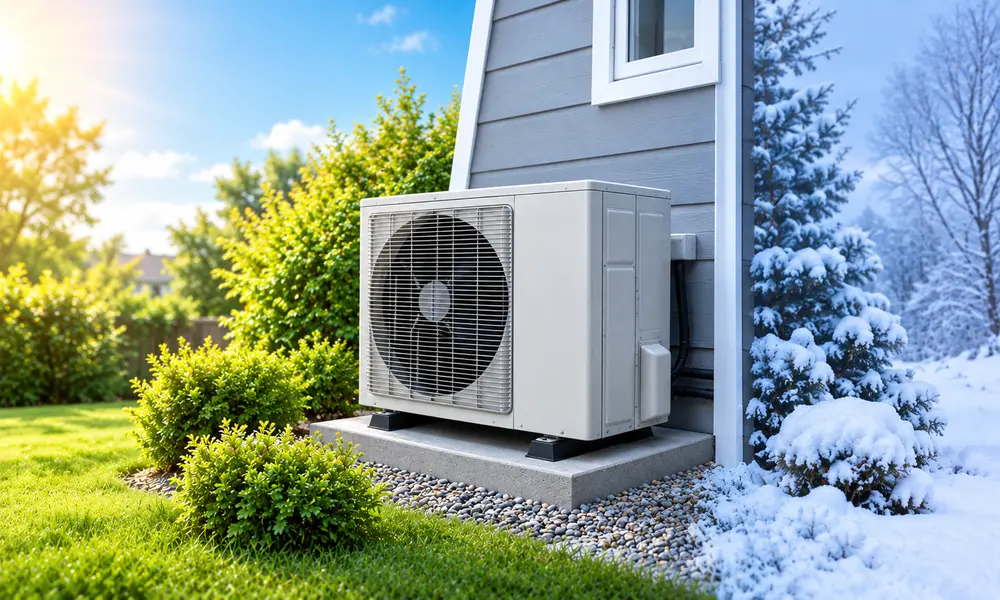
Have you ever thought of a better way of heating as well as cooling your house with fewer energy resources? If you haven’t considered heat pumps before, it is worth a try. Heat pumps are gaining widespread acceptance in today’s homes since they provide effective heating and cooling using a single appliance. But before making any choice, it is important to have a full understanding of their pros and cons. In this guide, we will cover heat pump pros and cons, and provide you with the necessary information to help you make a decision. What Is a Heat Pump? Using a heat pump is an efficient method for heating and cooling a house as it doesn’t actually create the heat but instead moves it from one place to another. During winter, it takes heat from the outside environment to provide warmth inside the house. The heat is transferred from inside to the outside by a heat pump in summer months to lower the temperature of the house. Heat pumps are an ideal choice for any season since they provide heat in winter and cool air in summer. What is the working principle of a heat pump? The operation of heat pumps is based on the principle of using electric energy through a refrigeration cycle to transfer heat from one source to the other. Thus the process of cooling involves removing heat from the house and allowing cool air to circulate inside the home. Since the working of the heat pump is based on transfer of heat instead of generation of heat, it can prove to be effective in maintaining the desired indoor temperature. Heat Pump Pros and Cons It is crucial to know the advantages and disadvantages of the system before purchasing a new heating and cooling unit. Here are some of the heat pump pros and cons. Pros of Heat Pumps Energy Efficient: Heat pumps simply transfer heat, unlike traditional methods that produce it. Heating and Cooling: This system allows for both heating and refrigeration, thereby making it very efficient and effective all year round. Lower Environmental Impact: Heat pumps do not burn fuel, but work by using electricity which minimizes the emissions. Works With Solar Energy: Heat pumps are compatible with solar energy systems, enabling home owners to benefit from renewable energy for heating and cooling their homes. Cons of Heat Pumps Higher Upfront Cost: Getting a heat pump may be a bit more expensive than buying and setting up some typical heating systems. Climate Matters: Weather conditions can play an important role in the efficiency of heat system. Uses Electricity: Since energy is the main source in heat pumps, energy availability and consumption should be considered. Installation Is Important: installation flaws can create problems with efficiency, comfort and performance of the system. How to Choose the Right Heat Pump Before choosing a heat pump, consider: Selecting the appropriate size and type of unit is crucial. An evaluation done by a professional can help you know what will be most appropriate for your property. Why Professional Installation Matters A heat pump that is of a high quality may fail to serve its purpose if it is improperly sized or installed. The system may be properly suited for the home and set up to work efficiently, if it is expertly installed. Regular maintenance will also ensure that the system runs well and identify problems on time. Why Choose Wunergy for Your Energy Needs? Looking to discover better ways to make your house more energy-efficient? Wunergy is here to provide you with advanced energy solutions that are meant for maximizing energy efficiency, comfort, and value of your household. So are you prepared to take the next step in a smarter way of using energy? Wunergy is here with energy solutions that are prepared according to your needs. Browse through Wunergy’s options and find out a smarter way forward for the energy use in your home. Wrap Up By learning about the benefits and drawbacks of heat pumps, you will have the information to make a decision for your home. The requirements of your household and the characteristics of the premises being heated will determine what option works best. By assessing these factors, you can make a correct choice concerning the use of heat pumps. Are you interested in learning about a better way of utilizing energy? Wunergy offers solutions for managing energy use in your house. Contact us today. FAQs 1. What is a heat pump? One of the functions of a heat pump is to transport heat between two locations where it provides both heating in winters and cooling in summer. 2. What are the main heat pump pros and cons? Heat pumps offer good energy efficiency, heating capacity, and ability to use renewable energy sources in operations. Among the negative aspects of heat pumps are their expensive installation, climatic effect and reliance on electricity. 3. Can a heat pump heat and cool a home? Absolutely. Multiple thermal pumps provide heating and cooling services by reversing the direction of the heat flow. 4. Do heat pumps work in cold weather? Yes, thermal pumps function even under cold weather conditions. In fact, their efficiency changes depending on the type of thermal pump and the temperature conditions created by nature, but also on how well a given system is suited for the climate of the region. 5. How can I choose the right heat pump? It is important to consider the size of property, the heat loss factor, and the insulation standards before choosing a heat pump.