
Do Heat Pumps Heat and Cool
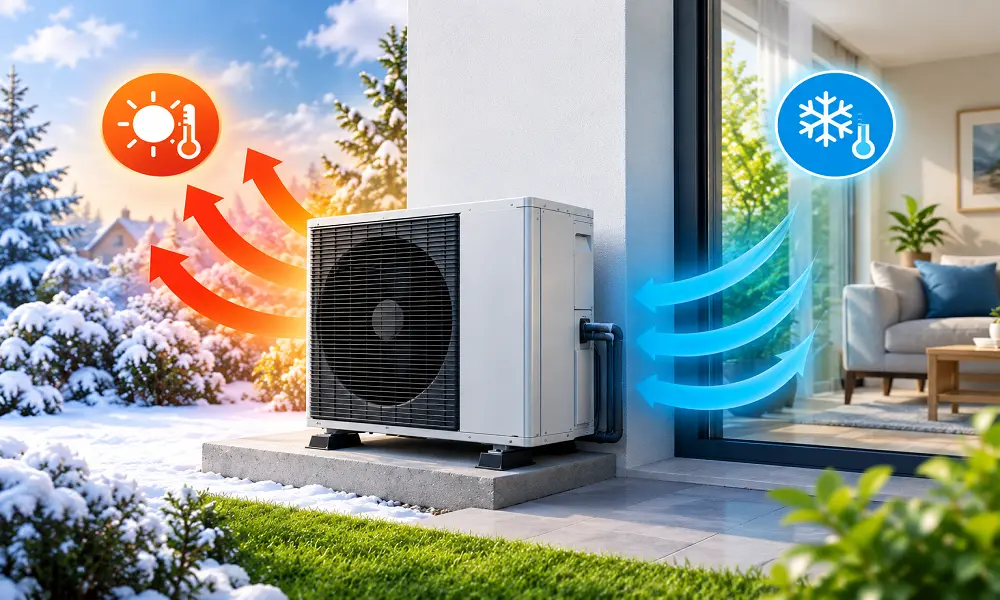
Can one system really keep your home warm in winter and cool in summer? If you’re considering a heat pump for your home, you may be wondering, do heat pumps heat and cool? The short answer is yes; many modern heat pumps can do both. Unlike traditional heating systems that are mainly designed to produce heat, reversible heat pumps can transfer heat in either direction. They can pull heat into your home when the weather turns cold. In hotter months, they do the reverse. Heat gets pushed back outside, keeping rooms cold. Different heat pumps have different functions and not each of them works in the same way as others. Basically, the ability to provide cooling depends on the type of system and equipment installed. How Does a Heat Pump Heat a Home? A heat pump works differently than a regular boiler because it doesn’t actually produce heat. Rather, it captures heat that’s already there and moves it around. In heating mode, the system pulls heat from an outside source and shifts it indoors. Which source? That depends on the heat pump. It could be outdoor air, the ground, or water. Next,the system transfers the warmth to every part of the house. A heat pump works basically the same way by taking the heat from outside and transferring the heat to the house without any fuel burning required during the heating process. How Does a Heat Pump Cool a Home? So, essentially, the question is do heat pumps heat and cool a space just by reversing the same operation? In many cases yes. When it’s switched on for cooling, a reversible heat pump reverses the flow of the refrigerant cycle. Rather than bringing heat indoors, the heat pump, takes the indoor heat and discards it outside. The cooling is very similar to that of an air-conditioning system. This means a suitable heat pump can provide: Do All Heat Pumps Heat and Cool? No, not necessarily. Do heat pumps heat and cool a place? This is an important point when comparing systems. Some heat pumps are designed primarily for heating, while reversible systems can provide both heating and cooling. The ability to cool also depends on the type of system and how it has been installed. Heat Pump Type Heating Cooling Air-to-air Yes Often Air-to-water Yes Depends on system Ground source Yes Possible with suitable design Water source Yes Possible with suitable design Cooling might be important to you. If so, you must mention this requirement to your installer before you decide on a system. Which Heat Pumps Can Provide Cooling? Air-to-Air Heat Pumps Air-to-air heat pumps have great versatility. The fact that they can be used for both air conditioning and heating means they are suitable for almost any home. They simply conduct heat exchange between the inside and the outside air. In summer, the system gets the reversed process and it removes heat from the indoors. If a home needs to be comfortably heated throughout the winters and then stay cool throughout the hot summers, then these units are probably the best solution. Air-to-Water Heat Pumps Air-to-water heat pumps are used to extract heat from the air and then transfer this heat to water for a water-based heating system. A heat pump air-to-water system will give you excellent heat production, while cooling relies on the design of the system. A simple installation of heat pumps air-to-water does not mean you’ll have an air conditioner in your home. Cooling often needs appropriate heat emitters, which could be underfloor heating systems, fan coil units etc. Ground Source Heat Pumps Ground source systems also are capable of generating cold air besides producing heat. They use the relatively stable temperature of the ground to provide another means of regulating indoor temperatures during hot weather. In fact, the effectiveness of cooling measures mainly relies on the properties of the system and what the property actually needs. What Are the Benefits of Heating and Cooling With One System? Heating and cooling can run through the same system. That alone simplifies temperature control. Potential advantages include: However, benefits will depend on the actual real estate, the installation, the system, and the usage of the components. What Should You Consider Before Choosing a Heat Pump? If you wish to have both heating and cooling features, you need to point out at the beginning while talking about your new installation. The installer can then consider whether the chosen system and heat emitters are suitable for both functions. Important factors include: Good system design is particularly important. A heat pump needs to be correctly sized and configured for the property rather than simply selected based on its advertised output. Why Choose Wunergy? Selecting the correct heat pump is just the beginning of the process. The design and installation of the system also plays a big role in how the system performs. Wunergy assists homeowners in choosing modern heating solutions based on the features of their homes. If you’re interested in a system that can provide heating and cooling, Wunergy can help you understand which options may be suitable for your home. Why consider Wunergy? Ready to Make Your Home Comfortable All Year? Looking for heating in the colder months and cooling when summer hits? Let Wunergy know your home’s needs and explore if a heat pump that is able to heat and cool could be a good fit for your home. Contact us today. FAQs 1. Do heat pumps heat and cool? It is true that many heat pumps can not only warm up your home but also cool it. In fact, most heat pumps are reversible and capable of switching the direction of heat flow. That is why they can help you raise the temperature of your house in winter and keep it cool during the warmer months. 2. Do all heat pumps heat and cool? No. A few heat pumps are designed mainly for heating. However, the cooling ability of a system greatly depends on