
Heating systems in the UK are undergoing a major transformation. For decades, gas boilers have been the dominant solution for residential heating and hot water. However, rising energy prices, environmental concerns, and government incentives are driving a strong shift toward renewable technologies, especially air source heat pumps. Homeowners are now evaluating whether to stick with traditional gas boilers or switch to modern heat pump systems. This decision is no longer just about upfront cost—it involves long-term energy savings, carbon emissions, system efficiency, and future energy regulations. In this guide, we compare air source heat pumps and gas boilers in detail to help you understand which option is more suitable for modern UK homes.
What Is a Gas Boiler?
A gas boiler is a conventional heating system that burns natural gas to produce heat. This heat is transferred to water, which circulates through radiators and provides hot water throughout the home. Gas boilers have been widely used due to their affordability, reliability, and fast heating response. They are relatively simple systems and integrate easily into existing UK homes. However, they depend entirely on fossil fuels, which means they are affected by fluctuating gas prices and contribute to carbon emissions. As the UK moves toward net-zero targets, gas boilers are gradually being phased down in favor of cleaner alternatives.
What Is an Air Source Heat Pump?
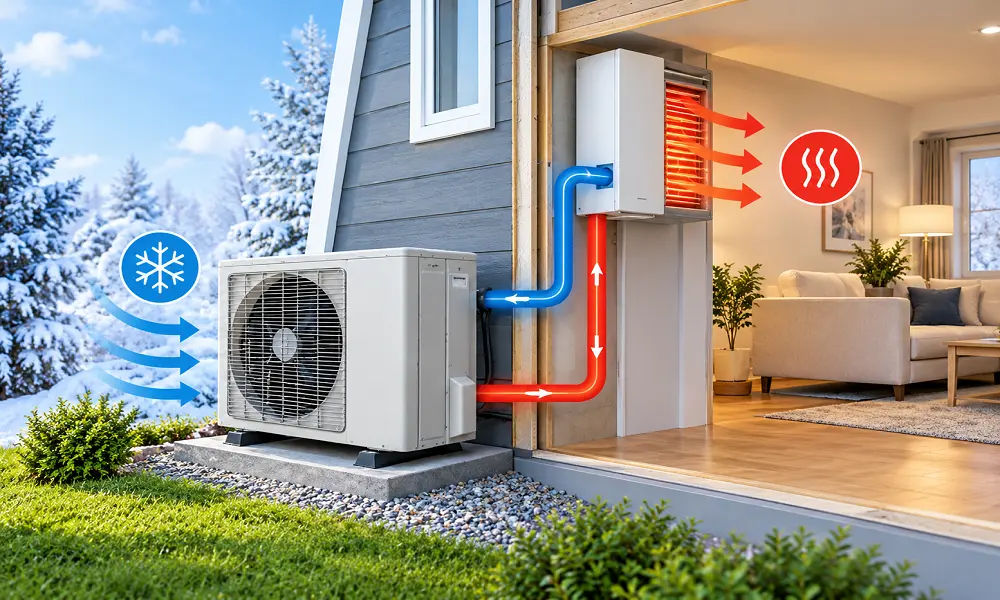
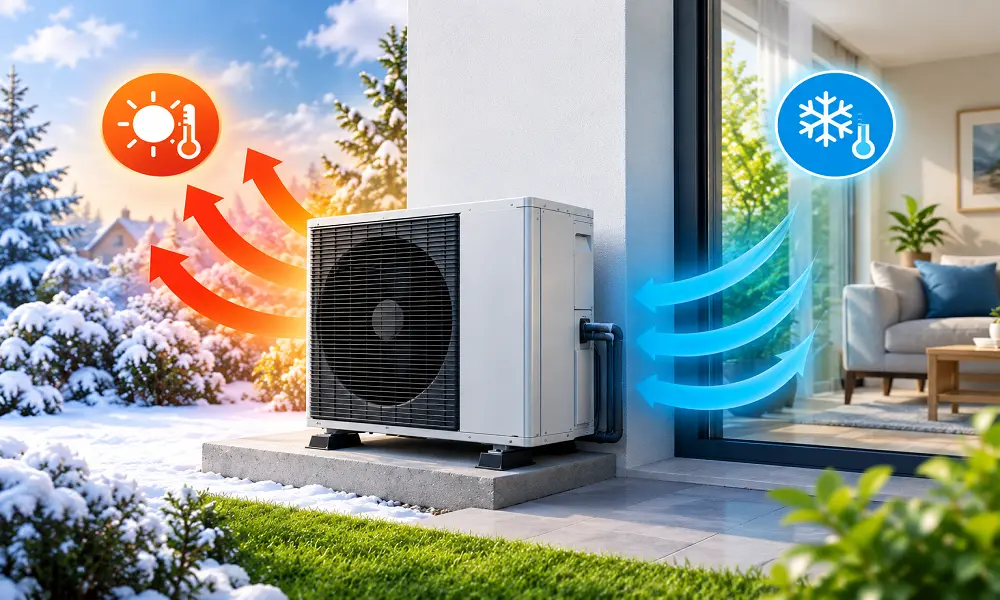
An air source heat pump is a renewable heating system that extracts thermal energy from outside air and upgrades it into usable heat for indoor spaces and hot water. Instead of burning fuel, it uses electricity to transfer heat through a refrigeration cycle. Even in cold temperatures, heat energy is available in the air, allowing the system to operate efficiently throughout the year. Modern heat pumps are designed for UK climates and can deliver consistent heating performance even during winter conditions in cities like Birmingham and across northern regions.
How Gas Boilers Work
Gas boilers operate using combustion technology. Natural gas is ignited in a combustion chamber, producing heat that warms a heat exchanger. This heat is then transferred to water, which is pumped through radiators or underfloor heating systems. The process is fast and provides immediate warmth, making gas boilers effective for quick heating demand. However, energy is lost during combustion and exhaust, which reduces overall efficiency compared to modern renewable systems.
How Air Source Heat Pumps Work
Air source heat pumps work by absorbing heat from outdoor air using an evaporator coil filled with refrigerant. This refrigerant is compressed, raising its temperature significantly. The heat is then transferred into the home’s heating system via a condenser. The cycle repeats continuously, allowing the system to move more heat energy than the electricity it consumes. This is why heat pumps can achieve efficiency levels of 300% or higher in optimal conditions.
Efficiency Comparison
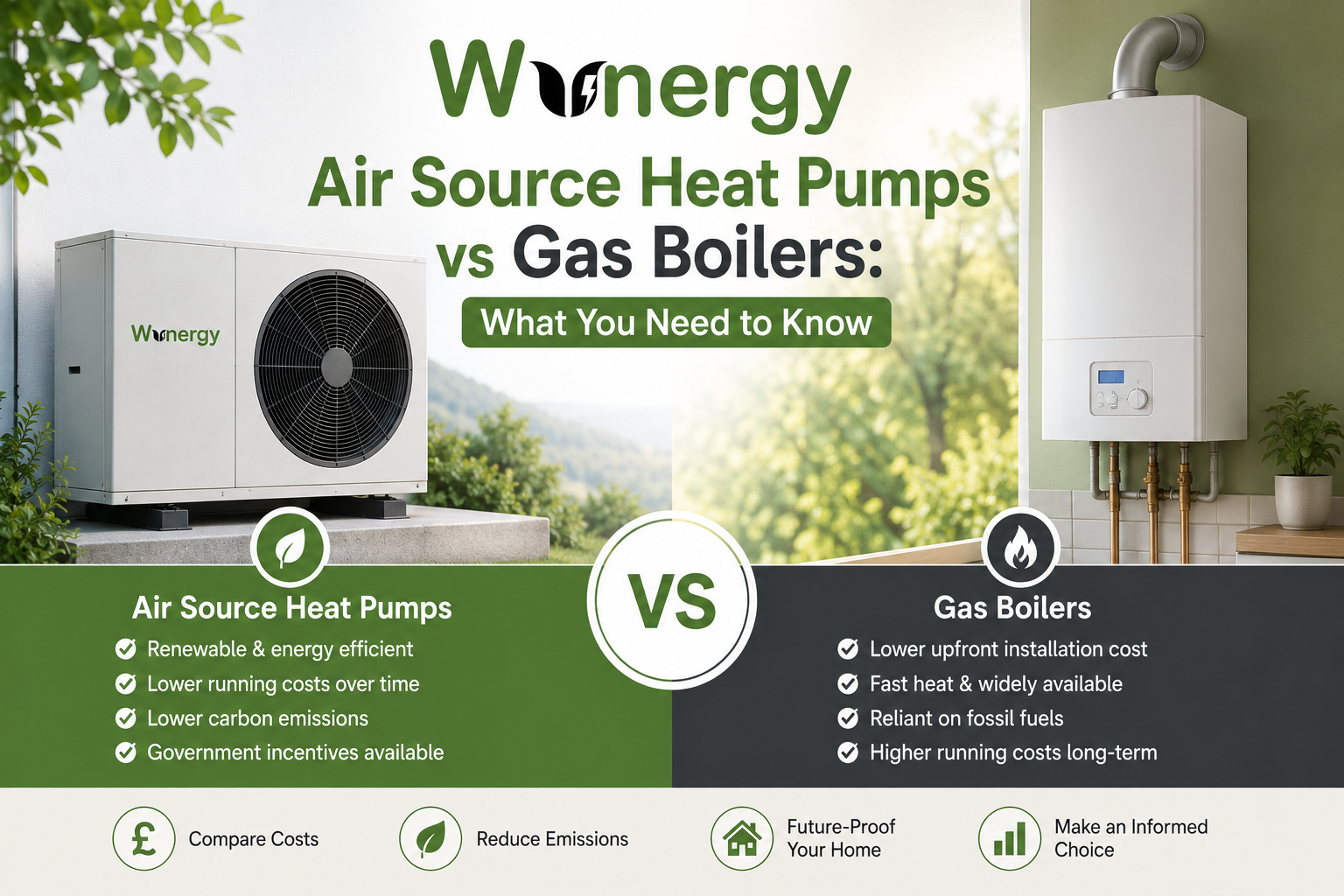
Gas boilers typically operate at 85–95% efficiency, meaning some energy is always lost during combustion and exhaust. Air source heat pumps operate at a coefficient of performance (COP) of 3.0 or higher, meaning they produce three units of heat for every one unit of electricity consumed. This makes heat pumps significantly more efficient in terms of energy usage. Winner: Air Source Heat Pumps.
Running Costs and Energy Bills
Gas boilers rely on natural gas prices, which are volatile and have increased sharply in recent years. This makes monthly heating bills less predictable. Air source heat pumps use electricity but require far less energy input to generate the same level of heat. Over time, especially in well-insulated homes, heat pumps can significantly reduce energy bills. However, performance depends on insulation quality, system design, and correct installation. Winner: Air Source Heat Pumps for long-term savings.
Installation Cost Comparison
Gas boilers are cheaper and quicker to install, typically requiring minimal changes to existing heating systems. Air source heat pumps require a higher upfront investment, as they may involve upgrades to radiators, insulation, or pipework. However, UK government incentives such as the Boiler Upgrade Scheme can reduce installation costs significantly, making heat pumps more accessible. Winner: Gas Boilers in short-term cost, but heat pumps win long-term value.
Maintenance and Lifespan
Gas boilers require annual servicing, regular safety checks, and may experience wear due to combustion processes. Their average lifespan is around 10–15 years. Air source heat pumps have fewer moving parts, require less frequent maintenance, and typically last 15–20 years or more when properly maintained. This makes them more durable and cost-effective over time. Winner: Air Source Heat Pumps.
Environmental Impact
Gas boilers produce carbon dioxide as a byproduct of burning fossil fuels, contributing significantly to household emissions. Air source heat pumps use renewable energy from the air and produce no direct emissions during operation. When powered by renewable electricity sources, their environmental impact becomes even lower. This makes heat pumps a key technology in achieving UK climate targets. Winner: Air Source Heat Pumps.
Performance in Cold Weather
Gas boilers perform consistently regardless of temperature. Air source heat pumps are designed to operate efficiently in low temperatures and modern systems can function even in sub-zero conditions. However, extreme cold can slightly reduce efficiency, though not enough to impact overall performance in most UK regions. Winner: Gas Boilers for extreme reliability, but heat pumps perform well in UK climate conditions.
Noise Levels and Comfort
Gas boilers are installed indoors and operate quietly. Air source heat pumps have an outdoor unit that produces low-level noise, typically between 40–50 decibels, similar to a refrigerator or light rainfall. Modern systems include noise-reduction technology, making them suitable for residential areas. Winner: Gas Boilers (slightly quieter overall).
Government Incentives and Future Regulations
The UK government is actively encouraging the adoption of renewable heating systems. Schemes like the Boiler Upgrade Scheme offer financial support for heat pump installation, making them more affordable. Gas boilers, on the other hand, are facing stricter regulations and reduced incentives due to their environmental impact. Winner: Air Source Heat Pumps.
Energy Security and Future Outlook
Gas boilers depend on imported fossil fuels, making them vulnerable to global price fluctuations. Air source heat pumps rely on electricity, which is increasingly being generated from renewable sources in the UK. This makes heat pumps a more stable and future-proof option for long-term energy security.
Which Heating System Should You Choose?
If your priority is low upfront cost and immediate installation, a gas boiler may still be suitable. However, if you are planning for long-term savings, improved energy efficiency, lower carbon emissions, and future-proof heating, an air source heat pump is the stronger choice. The decision also depends on your property insulation, budget, and long-term plans for the home.
Final Verdict
While gas boilers continue to serve as a practical short-term heating solution, air source heat pumps clearly represent the future of heating in the UK. They offer higher efficiency, lower running costs over time, reduced environmental impact, and strong government support. As energy systems continue to evolve, homeowners who invest in heat pumps today are positioning themselves for long-term stability and sustainability. For professional installation and consultation, companies like Wunergy provide expert air source heat pump solutions tailored for UK homes.