
Do Heat Pumps Heat and Cool
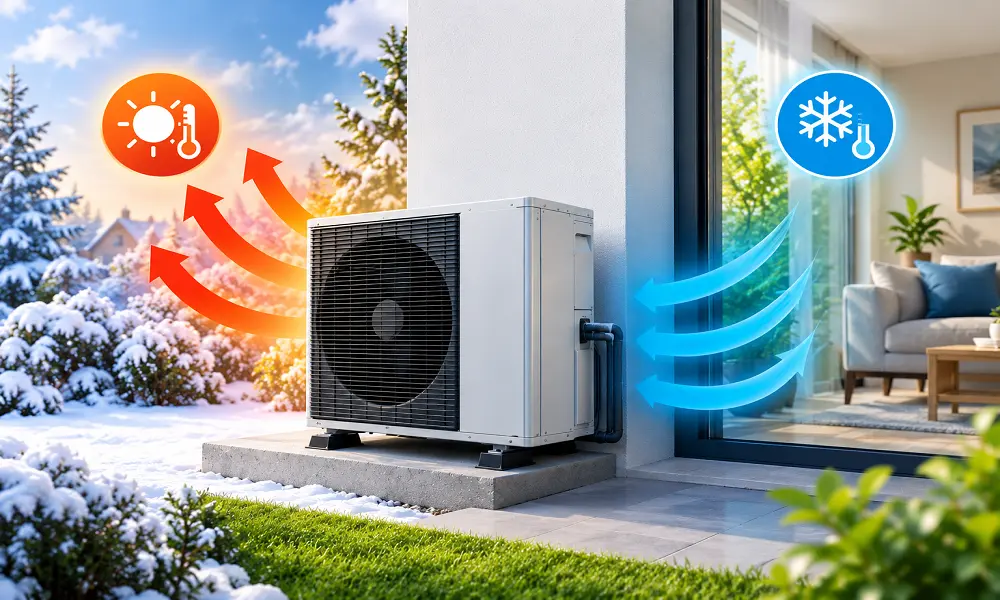
Can one system really keep your home warm in winter and cool in summer? If you’re considering a heat pump for your home, you may be wondering, do heat pumps heat and cool? The short answer is yes; many modern heat pumps can do both. Unlike traditional heating systems that are mainly designed to produce heat, reversible heat pumps can transfer heat in either direction. They can pull heat into your home when the weather turns cold. In hotter months, they do the reverse. Heat gets pushed back outside, keeping rooms cold. Different heat pumps have different functions and not each of them works in the same way as others. Basically, the ability to provide cooling depends on the type of system and equipment installed. How Does a Heat Pump Heat a Home? A heat pump works differently than a regular boiler because it doesn’t actually produce heat. Rather, it captures heat that’s already there and moves it around. In heating mode, the system pulls heat from an outside source and shifts it indoors. Which source? That depends on the heat pump. It could be outdoor air, the ground, or water. Next,the system transfers the warmth to every part of the house. A heat pump works basically the same way by taking the heat from outside and transferring the heat to the house without any fuel burning required during the heating process. How Does a Heat Pump Cool a Home? So, essentially, the question is do heat pumps heat and cool a space just by reversing the same operation? In many cases yes. When it’s switched on for cooling, a reversible heat pump reverses the flow of the refrigerant cycle. Rather than bringing heat indoors, the heat pump, takes the indoor heat and discards it outside. The cooling is very similar to that of an air-conditioning system. This means a suitable heat pump can provide: Do All Heat Pumps Heat and Cool? No, not necessarily. Do heat pumps heat and cool a place? This is an important point when comparing systems. Some heat pumps are designed primarily for heating, while reversible systems can provide both heating and cooling. The ability to cool also depends on the type of system and how it has been installed. Heat Pump Type Heating Cooling Air-to-air Yes Often Air-to-water Yes Depends on system Ground source Yes Possible with suitable design Water source Yes Possible with suitable design Cooling might be important to you. If so, you must mention this requirement to your installer before you decide on a system. Which Heat Pumps Can Provide Cooling? Air-to-Air Heat Pumps Air-to-air heat pumps have great versatility. The fact that they can be used for both air conditioning and heating means they are suitable for almost any home. They simply conduct heat exchange between the inside and the outside air. In summer, the system gets the reversed process and it removes heat from the indoors. If a home needs to be comfortably heated throughout the winters and then stay cool throughout the hot summers, then these units are probably the best solution. Air-to-Water Heat Pumps Air-to-water heat pumps are used to extract heat from the air and then transfer this heat to water for a water-based heating system. A heat pump air-to-water system will give you excellent heat production, while cooling relies on the design of the system. A simple installation of heat pumps air-to-water does not mean you’ll have an air conditioner in your home. Cooling often needs appropriate heat emitters, which could be underfloor heating systems, fan coil units etc. Ground Source Heat Pumps Ground source systems also are capable of generating cold air besides producing heat. They use the relatively stable temperature of the ground to provide another means of regulating indoor temperatures during hot weather. In fact, the effectiveness of cooling measures mainly relies on the properties of the system and what the property actually needs. What Are the Benefits of Heating and Cooling With One System? Heating and cooling can run through the same system. That alone simplifies temperature control. Potential advantages include: However, benefits will depend on the actual real estate, the installation, the system, and the usage of the components. What Should You Consider Before Choosing a Heat Pump? If you wish to have both heating and cooling features, you need to point out at the beginning while talking about your new installation. The installer can then consider whether the chosen system and heat emitters are suitable for both functions. Important factors include: Good system design is particularly important. A heat pump needs to be correctly sized and configured for the property rather than simply selected based on its advertised output. Why Choose Wunergy? Selecting the correct heat pump is just the beginning of the process. The design and installation of the system also plays a big role in how the system performs. Wunergy assists homeowners in choosing modern heating solutions based on the features of their homes. If you’re interested in a system that can provide heating and cooling, Wunergy can help you understand which options may be suitable for your home. Why consider Wunergy? Ready to Make Your Home Comfortable All Year? Looking for heating in the colder months and cooling when summer hits? Let Wunergy know your home’s needs and explore if a heat pump that is able to heat and cool could be a good fit for your home. Contact us today. FAQs 1. Do heat pumps heat and cool? It is true that many heat pumps can not only warm up your home but also cool it. In fact, most heat pumps are reversible and capable of switching the direction of heat flow. That is why they can help you raise the temperature of your house in winter and keep it cool during the warmer months. 2. Do all heat pumps heat and cool? No. A few heat pumps are designed mainly for heating. However, the cooling ability of a system greatly depends on
Is a Heat Pump Worth It? A Complete Guide for Homeowners
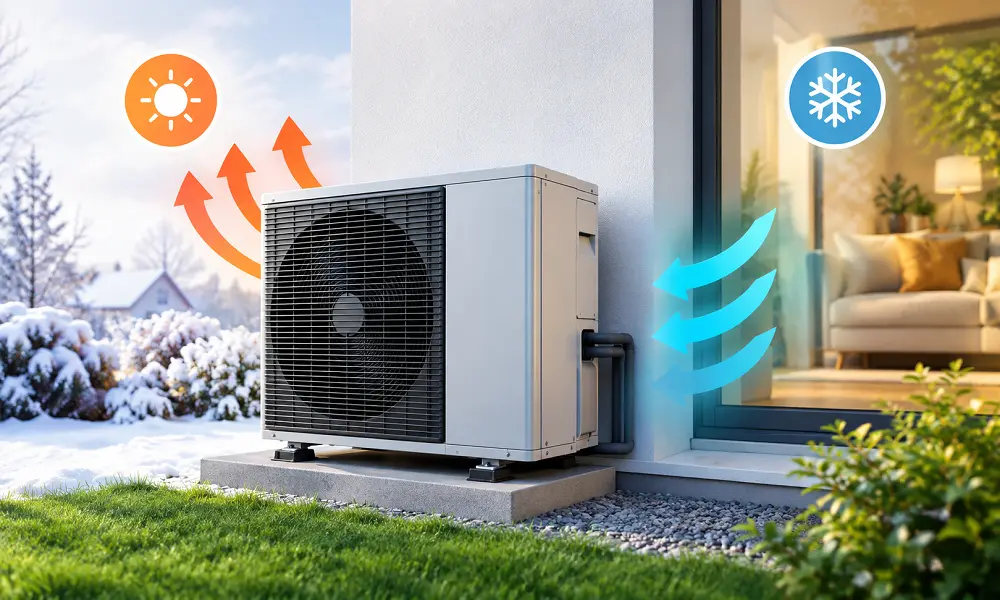
While deciding if upgrading your heater is the right option for you, you’re probably thinking: should I invest in a heat pump? With high energy prices and a shift towards efficient heating methods, heat pumps are quickly becoming a need for every home. Heat pumps are ideal ways to provide heating and hot water services, but whether they will be suitable for your home actually depends on various factors, such as the type of structure, insulation, the current heating system, and energy requirements. In this guide, we will briefly explain what heat pumps are and how they work, their benefits, costs, efficiency, and how they can be used in various buildings. Continue reading to learn all: What Is a Heat Pump? A heat pump refers to a type of heating appliance which works by transferring heat instead of producing heat through burning fuels. Air source heat pumps extract heat from the air outside and are used to produce hot water and provide heating in the household. Heat pumps can function properly in low temperatures outside, thus making it very easy to use. How Much Does a Heat Pump Cost? Heat pumps are typically more expensive than traditional boilers. A number of factors determine the overall price, such as the size, model, difficulty of installation and required upgrades. While the upfront investment can seem significant, it is important to consider the long-term running costs and available financial incentives rather than looking only at the initial price. For eligible homeowners, government support may help reduce the cost of installing certain heat pump systems. Your installer can advise you on current schemes and eligibility requirements. Can a Heat Pump Save You Money? One of the key advantages of heat pumps in the eyes of homeowners is low energy consumption. Heat pumps provide heat by moving the already existing heat from the air or ground instead of heating it on their own. This shows great efficiency because a heat pump has the ability to give out a larger amount of heat energy than the amount of electric energy consumed. However, your actual savings are based on the factors such as: Therefore, having the right system designed and installed professionally should be your main concern. Are Heat Pumps Suitable for Older Homes? Heat pumps do work for older homes. They might just need some upgrades or adjustments first. Having excellent insulation is vital since heat pumps tend to run at lower flow temperatures compared to traditional boilers. Adding insulation in the loft, in walls, and on floors enables good heat retention in your home and greater efficiency in the operation of the heat pump. Certain properties may also require bigger radiators in order to generate sufficient heating at lower temperatures. However, this doesn’t indicate that older homes cannot take advantage of heat pumps. An expert assessment should be carried out to assess what adjustments should be implemented. What Are the Main Benefits of a Heat Pump? Setting up a heat pump may lead to various advantages: High energy efficiency: In comparison to normal heating methods, heat pumps do an efficient job in heating while consuming only minimal electricity. Lower carbon emissions: When using low-carbon electricity for the heating process, it results in minimal carbon emissions. Reliable heating: Advanced heat pumps are engineered to function efficiently even in various outside temperatures. Potential cooling: Some of these heat pumps can also provide a service of cooling. Long-term investment: A heat pump can provide heating for many years, if it is properly maintained. How Long Does a Heat Pump Last? When a heat pump is set up properly and used well, it will provide heating service for a long time. The lifespan of the system depends upon the type of equipment, installation, maintenance, and application. Regular maintenance keeps the performance level high, gives an early warning in case of future problems and prolongs the life of the system. Actually,finding a competent installer and selecting a suitable system for the particular building are as important as deciding on the technology itself. Is a Heat Pump Worth It for Your Home? For many residential owners, a heat pump might be a handy investment that pays off in the long run, if their homes have adequate insulation and the system itself is properly designed. However, the same solution may not be applicable to all kinds of homes.The financial benefits will depend on factors such as the type of the current heating system, the cost of energy, the property itself, the cost of installation as well as incentives. Heat pump heating systems along with various other heating systems should be on your list first if you have no heating system at all or if you are doing a major renovation of your house. How Wunergy Can Help Making the right choice when it comes to heating equipment is essential, and getting professional advice can really help. At Wunergy, we are available to assist you in determining if a heat pump would work for your home and what to expect from the process. Our experts will help you assess your heating needs and then to learn about its installation and operational cost. Remember that when buying a heat pump, you are investing. Thus, the design and installation process are vital for its successful operation. Wrap Up Now, is it worth using a heat pump? It can provide a property with effective heating capabilities, lower energy usage, and better comfort throughout the seasons, if the specific property is suitable for this specific heating unit. It is necessary to not to focus on the initial installation costs only but also consider expenses related to operation, efficiency of a property, efficiency of a heating system, and the support available. If you need assistance deciding if heat pumps would work for your needs, Wunergy is here to help you think through your options. Then why wait? FAQs 1. How much does a heat pump cost? The expense may vary based on: Further to this, any funds
How Air Source Heat Pumps Help Future-Proof Your Home Against Rising Energy Costs
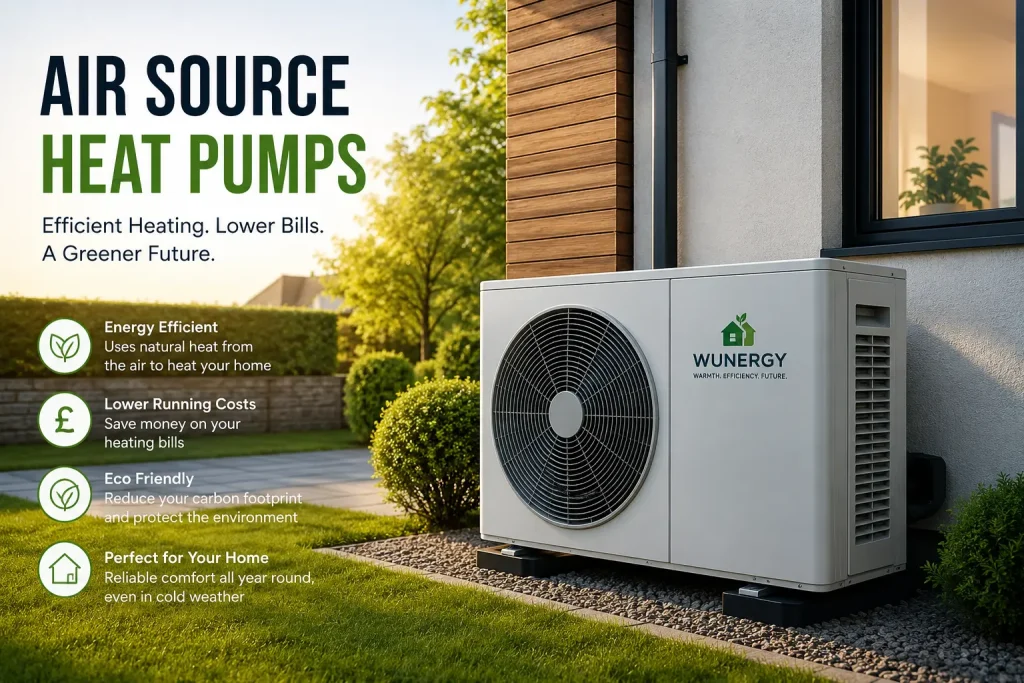
Energy prices have become one of the biggest concerns for UK homeowners. With utility bills continuing to fluctuate and environmental regulations encouraging cleaner heating systems, many households are searching for a long-term solution rather than a temporary fix. Air source heat pumps are quickly becoming one of the most effective ways to reduce heating costs while making homes more energy efficient. Instead of relying on fossil fuels, these systems capture renewable heat from the outside air and convert it into comfortable indoor heating and hot water, even during cold weather. Wunergy installs MCS-certified air source heat pumps across England and helps eligible homeowners access available government grants to reduce installation costs. Why Energy Costs Continue to Rise Several factors contribute to increasing household energy bills: Traditional gas boilers consume fuel directly, meaning homeowners remain vulnerable to fuel price increases. A more efficient heating system can significantly reduce long-term running costs. What Is an Air Source Heat Pump? An air source heat pump (ASHP) extracts natural heat from the outdoor air and transfers it into your home’s heating system. Unlike conventional boilers that generate heat by burning gas, a heat pump simply moves existing heat, making it much more energy efficient. Modern systems continue operating effectively even when outdoor temperatures fall below freezing, making them suitable for the UK’s climate. How Air Source Heat Pumps Save Money Exceptional Energy Efficiency One of the biggest advantages of heat pumps is their efficiency. Most modern air source heat pumps produce approximately three to four units of heat for every unit of electricity consumed. This means homeowners receive significantly more usable heat than with traditional electric heating systems. Lower Heating Bills Although electricity powers the system, its high efficiency often results in lower annual heating costs compared to older gas or electric heating systems. Savings depend on factors such as: Over time, reduced energy consumption can offset installation costs. Reduced Maintenance Costs Modern heat pumps contain fewer combustion-related components than gas boilers. This generally means: Routine servicing keeps the system operating efficiently for many years. Government Support Makes Installation More Affordable Many UK homeowners qualify for financial support through the Boiler Upgrade Scheme. Eligible households can receive a grant of up to £7,500 towards the installation of an air source heat pump, significantly reducing upfront costs. Wunergy manages the application process for qualifying customers, making the transition much simpler. Protection Against Future Energy Price Increases One of the greatest advantages of installing a heat pump is long-term energy security. Rather than depending entirely on gas prices, homeowners benefit from: As the UK continues transitioning toward renewable energy, heat pumps are expected to become an increasingly valuable investment. Better for the Environment Heating accounts for a large proportion of household carbon emissions. Switching to an air source heat pump can help reduce your home’s environmental impact by: This makes heat pumps an excellent option for homeowners looking to reduce their carbon footprint while lowering energy bills. Increased Property Appeal Energy-efficient homes are becoming increasingly attractive to buyers. Installing a modern heating system may provide benefits such as: As energy efficiency standards continue evolving, investing now may help future-proof your home. Quiet, Comfortable Heating Today’s air source heat pumps are designed for quiet operation. Many systems include: These features provide consistent comfort throughout the year without the noise often associated with older heating equipment. Is an Air Source Heat Pump Right for Your Home? Most UK homes can benefit from a professionally designed heat pump system. An expert assessment considers: Every property is different, making a professional survey essential before installation. Why Choose Wunergy? Choosing the right installer is just as important as selecting the right heating system. Wunergy provides: Final Thoughts Rising energy prices are unlikely to disappear anytime soon, making energy-efficient home improvements more important than ever. Air source heat pumps offer an effective way to lower heating costs, reduce carbon emissions, and prepare your property for the future. Whether you’re replacing an ageing boiler or planning a more sustainable home, investing in an air source heat pump can deliver long-term savings, improved comfort, and greater energy independence. With expert installation and support from Wunergy, homeowners across England can confidently transition to cleaner, smarter heating solutions.
Can Air Source Heat Pumps Keep Your Home Warm in Winter?
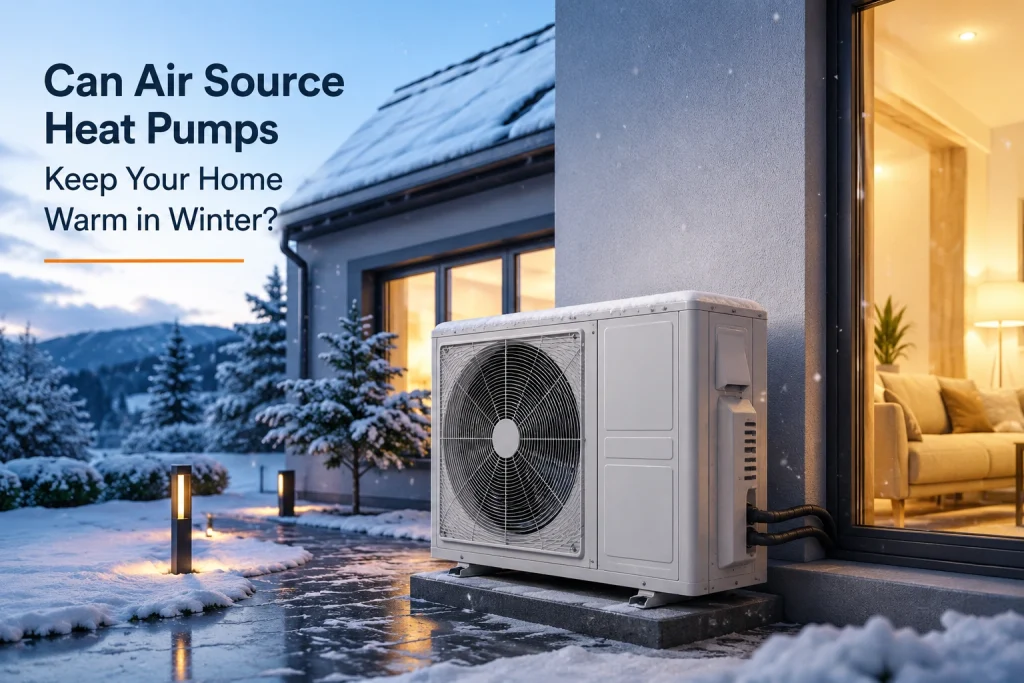
When temperatures begin to drop, many homeowners wonder whether an air source heat pump can provide enough warmth during a typical UK winter. Since these systems extract heat from the outdoor air, it’s natural to question their performance in cold conditions. The good news is that modern air source heat pumps are specifically engineered to operate efficiently even when outdoor temperatures fall below freezing. For households looking to reduce energy costs and switch to a more sustainable heating solution, an air source heat pump offers dependable comfort throughout the colder months without relying on fossil fuels. How Does an Air Source Heat Pump Work in Cold Weather? An air source heat pump doesn’t create heat by burning fuel. Instead, it captures naturally occurring heat energy from the outside air and transfers it into your home’s heating system. Even on frosty mornings, the air still contains thermal energy. Advanced refrigerant technology allows heat pumps to absorb this energy and convert it into usable heat for radiators, underfloor heating, and domestic hot water. Modern systems are designed to continue operating efficiently in temperatures as low as -20°C, making them suitable for the UK’s climate. Are They Effective During UK Winters? Yes. Air source heat pumps are well suited to the UK’s relatively mild winters. While extremely cold temperatures may slightly reduce efficiency, today’s high-quality systems are built to maintain comfortable indoor temperatures throughout the heating season. Factors that influence winter performance include: When these elements work together, homeowners can enjoy reliable heating all winter long. Why Insulation Matters A heat pump performs best in a well-insulated property. Good insulation helps retain the heat generated by the system, reducing energy consumption and improving overall efficiency. Before installation, a professional installer will usually assess your property’s insulation and recommend improvements if needed. Simple upgrades such as loft insulation, cavity wall insulation, or double glazing can significantly enhance performance. Lower Running Costs Throughout Winter Unlike traditional boilers that burn gas or oil, air source heat pumps move heat rather than generate it. Because of this, they can deliver several units of heat for every unit of electricity consumed. This high efficiency helps many homeowners reduce heating costs while enjoying consistent indoor comfort. Although electricity prices may fluctuate, the long-term savings and reduced energy consumption make heat pumps an attractive investment. Quiet and Comfortable Heating Modern air source heat pumps operate quietly and provide steady, even warmth throughout the home. Instead of the frequent on-and-off cycling associated with some boilers, heat pumps maintain a consistent indoor temperature, creating a more comfortable living environment during winter. Built for Long-Term Reliability Today’s air source heat pumps are designed to withstand challenging weather conditions. Features such as automatic defrost cycles and intelligent control systems help maintain performance during cold spells. With regular servicing, many systems continue operating efficiently for 15–20 years. Professional Installation Makes the Difference Choosing the right installer is just as important as selecting the right equipment. A professional installation includes: These steps ensure the system delivers maximum comfort and efficiency throughout winter. Why Choose Wunergy? Wunergy specialises in MCS-certified air source heat pump installations across England. The team provides expert advice, tailored system design, professional installation, and guidance on available government grants. From the initial consultation through to aftercare support, Wunergy helps homeowners transition to renewable heating with confidence. Conclusion Air source heat pumps are more than capable of keeping UK homes warm during winter. When professionally installed and paired with a well-insulated property, they provide reliable heating, lower running costs, and a more environmentally friendly alternative to traditional boilers. If you’re considering upgrading your heating system, Wunergy can help you find the right solution for your home and ensure you enjoy efficient, dependable warmth throughout every season.
How Renewable Heating Can Lower Your Energy Bills in the UK
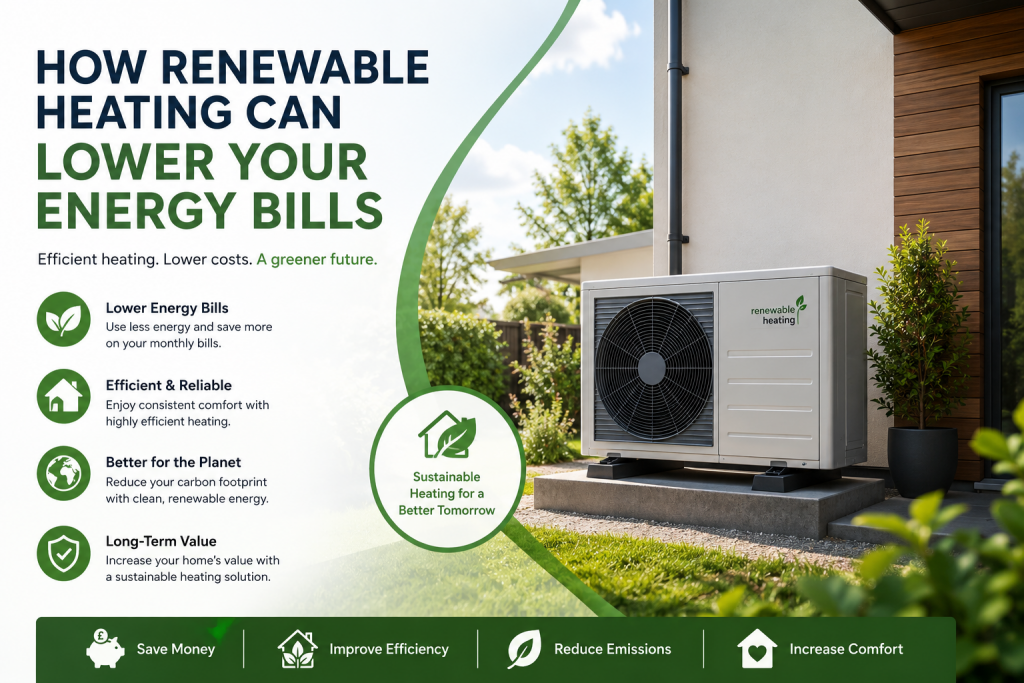
Rising energy costs have become one of the biggest concerns for homeowners across the United Kingdom. Every year, households search for practical ways to reduce heating expenses without sacrificing comfort. While improving insulation and upgrading windows can make a difference, one of the most effective long-term solutions is switching to renewable heating. Renewable heating systems are transforming the way homes stay warm by using clean, sustainable energy sources instead of relying solely on fossil fuels. They provide greater energy efficiency, reduce household carbon emissions, and help homeowners take control of their energy costs. Whether you are planning a renovation or replacing an ageing heating system, renewable heating is an investment that delivers both financial and environmental benefits. What Is Renewable Heating? Renewable heating refers to systems that generate warmth using naturally replenished energy sources rather than traditional fuels like gas or oil. These systems are designed to reduce energy waste while delivering reliable heating throughout the year. Popular renewable heating technologies include: Among these options, air source heat pumps have become one of the most popular choices for UK homeowners because they are efficient, reliable, and suitable for many different property types. Why Energy Bills Continue to Rise Heating accounts for a significant portion of household energy consumption. Older boilers often operate at lower efficiency, meaning they require more fuel to produce the same amount of heat. Other factors contributing to higher energy bills include: Replacing an inefficient heating system with renewable technology can significantly reduce unnecessary energy use. How Renewable Heating Saves Money Unlike conventional boilers that generate heat by burning fuel, renewable heating systems transfer naturally available heat into your home. This process uses far less energy, allowing homeowners to enjoy comfortable indoor temperatures while consuming less electricity or fuel. Over time, these efficiency gains can translate into noticeable savings on annual energy bills. Greater Energy Efficiency Modern renewable heating systems are designed to maximise every unit of energy they consume. For example, an air source heat pump can produce multiple units of heat from a single unit of electricity. This makes it considerably more efficient than many conventional heating systems. Higher efficiency means: Comfortable Heating Throughout the Year Renewable heating systems are built to provide reliable warmth regardless of the season. During colder months, advanced technology continues extracting heat from outdoor air, ensuring your home remains comfortable even when temperatures drop. Many systems also provide hot water, making them a complete heating solution. Reducing Your Carbon Footprint One of the greatest advantages of renewable heating is its environmental impact. Traditional heating systems release significant amounts of carbon dioxide into the atmosphere. Renewable systems dramatically reduce these emissions by using cleaner energy sources. Every installation contributes to: A Smart Investment for Homeowners Although renewable heating systems may require a larger initial investment, they often deliver substantial long-term value. Benefits include: Over many years, the savings can help offset the original installation cost. Adding Value to Your Property Energy-efficient homes are becoming increasingly attractive to buyers. Properties equipped with renewable heating often benefit from: As environmental awareness continues to grow, buyers increasingly prioritise homes with efficient heating systems. Easy Maintenance Renewable heating systems generally require less maintenance than many traditional boilers. Routine servicing helps ensure: Regular maintenance protects your investment while keeping the system operating efficiently. Is Renewable Heating Right for Every Home? Many different property types can benefit from renewable heating, including: A professional assessment helps determine the most suitable solution based on the property’s size, insulation, and heating requirements. Why Professional Installation Matters Even the most advanced heating system performs best when installed correctly. Professional installers ensure: Choosing an experienced installer helps homeowners achieve the best possible performance from their renewable heating system. Why Homeowners Trust Wunergy Wunergy is dedicated to helping UK homeowners embrace renewable energy through expertly designed heating solutions. The company specialises in air source heat pump installations, energy-efficient heating systems, and professional maintenance services tailored to each property’s unique requirements. By focusing on quality workmanship, expert advice, and long-term customer satisfaction, Wunergy enables homeowners to enjoy lower energy costs while supporting a cleaner and more sustainable future. Frequently Asked Questions What is the most popular renewable heating system? Air source heat pumps are currently among the most widely installed renewable heating systems in the UK due to their efficiency and versatility. Can renewable heating reduce energy bills? Yes. Modern renewable heating systems use energy more efficiently than many traditional boilers, helping homeowners lower long-term heating costs. How long do renewable heating systems last? Most high-quality systems can operate efficiently for 20 years or more with regular maintenance. Are renewable heating systems environmentally friendly? Yes. They use sustainable energy sources and produce significantly lower carbon emissions than conventional heating methods. Do renewable heating systems require regular servicing? Yes. Routine servicing helps maintain efficiency, improve reliability, and extend the lifespan of the equipment. Conclusion Renewable heating is becoming an essential part of modern living as homeowners seek ways to reduce energy bills and minimise their environmental impact. By replacing outdated heating systems with efficient renewable technology, households can enjoy greater comfort, long-term savings, and a more sustainable lifestyle. Whether you are upgrading an existing home or planning a new project, investing in renewable heating is a practical decision that delivers benefits for years to come. With expert guidance and professional installation from Wunergy, you can confidently move towards a warmer, greener, and more energy-efficient future.