
Air source heat pumps have become one of the most popular heating solutions for UK homeowners looking to reduce energy bills and lower their carbon footprint. While many people understand the energy-saving benefits of these systems, one of the most common questions is, how long does a heat pump last?
The good news is that a well-installed and properly maintained heat pump can provide reliable heating and hot water for many years. Understanding what affects its lifespan and how to care for it can help you maximise your investment while keeping your home comfortable throughout every season.
Average Heat Pump Lifespan
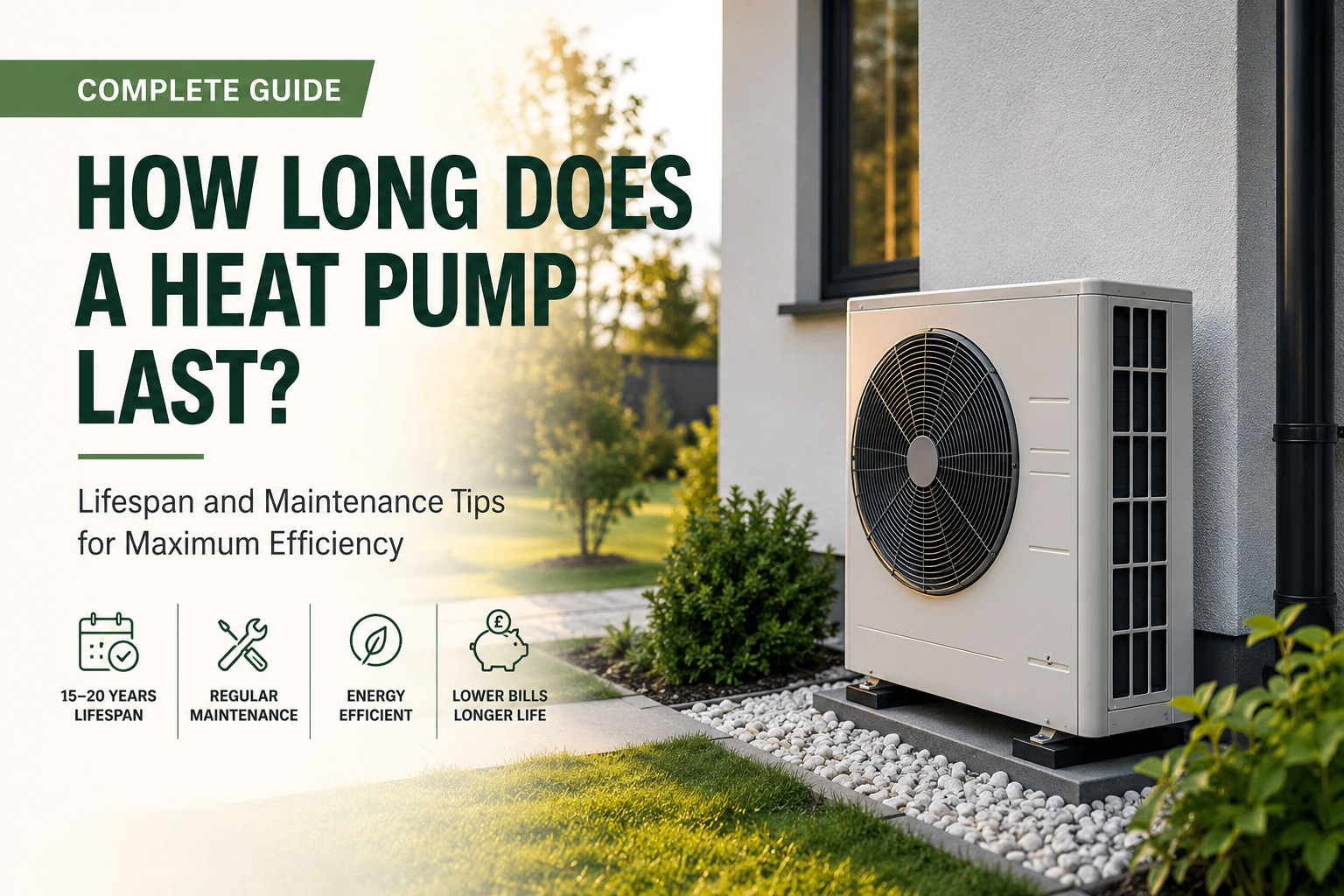
A modern air source heat pump typically lasts 15 to 20 years. Some premium systems continue operating efficiently for more than 20 years when they receive regular servicing and are installed correctly.
Compared with many traditional gas boilers, heat pumps often offer a longer service life because they rely on advanced technology designed for continuous, efficient operation rather than combustion.
The lifespan of your system depends on several factors, including installation quality, usage patterns, local weather conditions, and routine maintenance.
Factors That Affect Heat Pump Lifespan
Every home is different, and several elements can influence how long your heat pump continues performing at its best.
Professional Installation
A quality installation is the foundation of a long-lasting heat pump. Correct sizing, proper pipework, accurate refrigerant levels, and good airflow all help reduce unnecessary strain on the system.
Choosing experienced installers ensures your heat pump operates as efficiently as possible from day one.
Quality of the Equipment
Not all heat pumps are manufactured to the same standards. High-quality systems built by trusted manufacturers generally include durable components, advanced compressors, and smart controls that contribute to longer operating life.
Regular Maintenance
Routine servicing keeps every component working efficiently. Small issues can be identified before they become costly repairs, helping extend the overall lifespan of the system.
Climate Conditions
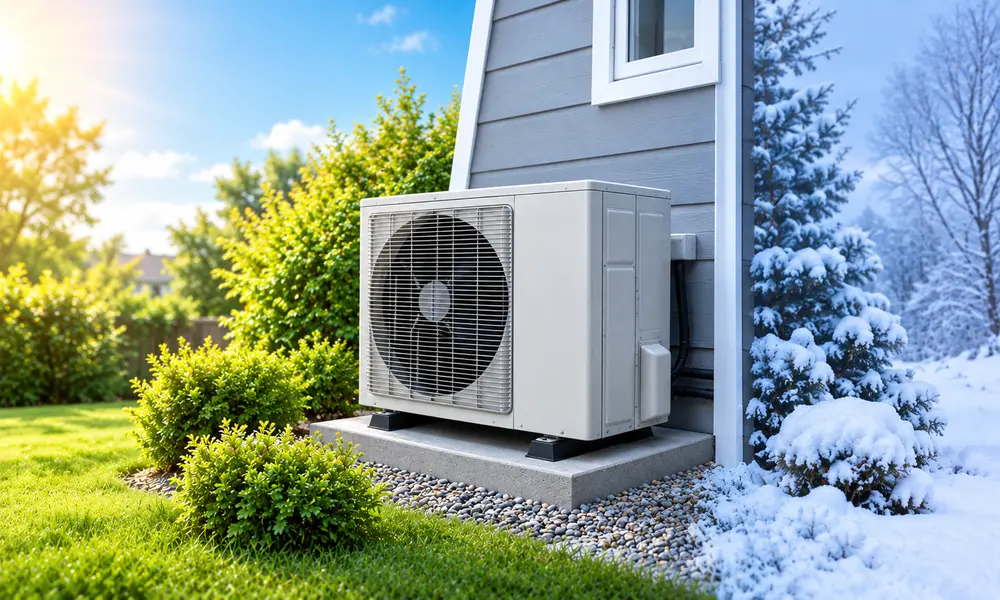
The UK’s climate is generally suitable for air source heat pumps. Although colder temperatures increase demand during winter, modern units are specifically designed to perform efficiently even when temperatures fall below freezing.
Daily Usage
Heat pumps work best when maintaining a consistent indoor temperature instead of being switched on and off repeatedly. Stable operation places less stress on the compressor and other essential components.
Signs Your Heat Pump Is Ageing
Even a well-maintained system will eventually begin showing signs of wear.
Some common indicators include:
- Higher electricity bills
- Reduced heating performance
- Longer heating cycles
- Strange noises during operation
- Frequent breakdowns
- Uneven room temperatures
- Ice forming more frequently than normal
- Increased repair costs
If your system is approaching 15 to 20 years old and repairs are becoming more frequent, it may be more economical to consider replacing it.
Heat Pump Maintenance Tips
Simple maintenance can significantly extend the life of your heating system.
Clean the Outdoor Unit
Leaves, dirt, grass, and debris can block airflow around the outdoor unit. Keep at least one metre of clear space around the system and remove any build-up regularly.
Inspect Air Filters
Dirty filters reduce airflow and force the system to work harder. Cleaning or replacing filters according to the manufacturer’s recommendations improves efficiency and indoor comfort.
Keep Vents Clear
Avoid placing furniture, curtains, or storage boxes in front of indoor vents. Good airflow allows the heat pump to distribute warmth evenly throughout your home.
Schedule Annual Servicing
A professional inspection once each year ensures refrigerant levels, electrical connections, fans, compressors, and controls are operating correctly.
Preventative servicing often costs far less than emergency repairs.
Monitor System Performance
Pay attention to unusual sounds, error codes, or changes in heating performance. Addressing small problems early can prevent expensive component failures later.
Can Maintenance Really Increase Lifespan?
Absolutely.
Regular maintenance reduces wear on mechanical components, keeps efficiency levels high, and helps prevent avoidable failures.
Homeowners who invest in annual servicing often experience:
- Lower running costs
- Better heating performance
- Fewer unexpected repairs
- Improved energy efficiency
- Longer equipment lifespan
- Greater reliability during winter
Maintenance is one of the simplest ways to protect the value of your heating investment.
When Should You Replace Your Heat Pump?
Replacement may be worth considering if:
- Your unit is over 18 years old.
- Repair costs continue increasing.
- Heating performance has noticeably declined.
- Your electricity consumption has risen significantly.
- Replacement parts are becoming difficult to source.
Modern heat pumps are quieter, smarter, and more energy efficient than many older models, allowing homeowners to enjoy improved comfort while reducing running costs.
Why Professional Installation Matters
Even the highest-quality heat pump cannot reach its full lifespan without proper installation.
At Wunergy, every installation is carefully designed to match the property’s heating requirements. Professional system sizing, expert installation, and ongoing support help homeowners enjoy reliable, efficient heating for many years.
Whether you’re installing your first air source heat pump or replacing an older system, working with experienced professionals gives your investment the best possible start.
Final Thoughts
A quality air source heat pump can comfortably last 15 to 20 years, and in many cases even longer with proper care. Regular servicing, good installation practices, and simple maintenance routines all play an important role in extending its lifespan.
By looking after your heat pump today, you can enjoy lower energy bills, dependable heating, and improved efficiency for many years to come. Investing in preventative maintenance is far more cost-effective than dealing with unexpected repairs, making it one of the smartest decisions any homeowner can make.