
The way we heat our homes is changing rapidly. For decades, gas boilers have been the standard heating solution for millions of households across the UK. While boilers have served homeowners well, rising energy costs, growing environmental concerns, and advancements in renewable technology are driving a major shift in the heating industry. Air source heat pumps are emerging as the preferred alternative, offering greater efficiency, lower carbon emissions, and long-term savings.
As the UK moves towards a greener future, more homeowners are considering heat pumps as a practical replacement for traditional boilers. With government incentives such as the Boiler Upgrade Scheme and increasing awareness of sustainable living, the transition is gaining momentum. Understanding why heat pumps are replacing boilers can help homeowners make informed decisions about their future heating needs.
Understanding Traditional Boilers
Traditional gas boilers generate heat by burning natural gas. This heat is then transferred through radiators or underfloor heating systems to warm the home and provide hot water. While modern condensing boilers are more efficient than older models, they still rely on fossil fuels and produce carbon emissions.
Boilers typically operate at efficiencies between 85% and 95%, meaning some energy is always lost during the heating process. In addition, fluctuations in gas prices can significantly impact household energy bills. As environmental regulations become stricter and the UK works towards reducing its carbon footprint, the limitations of gas boilers are becoming increasingly apparent.
What Is an Air Source Heat Pump?
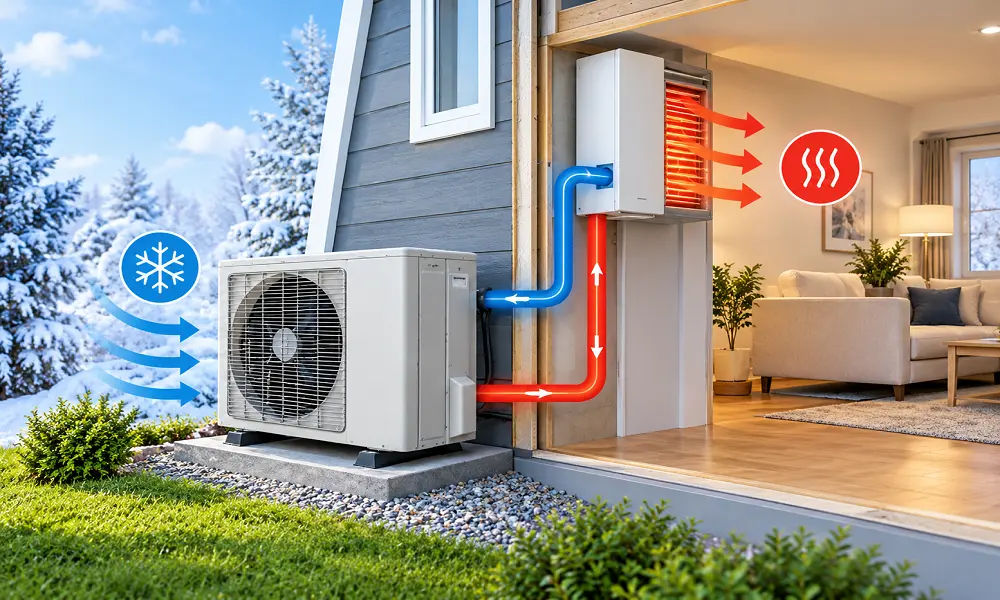
An air source heat pump is a renewable heating system that extracts heat from the outside air and transfers it into your home. Unlike a boiler, which creates heat by burning fuel, a heat pump moves existing heat from one place to another.
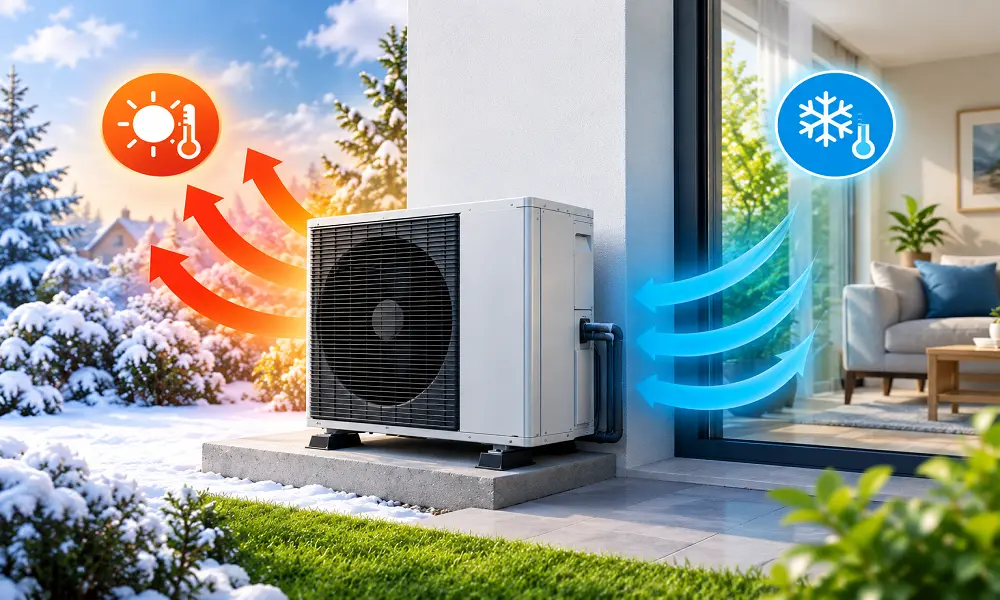
Even when outdoor temperatures are low, there is still thermal energy present in the air. Heat pumps capture this energy using a refrigerant cycle and then increase its temperature through compression. The resulting heat is used to provide space heating and hot water for the home.
This innovative approach allows heat pumps to achieve efficiency levels that far exceed traditional heating systems.
Why Heat Pumps Are Becoming the Preferred Choice
Exceptional Energy Efficiency
One of the biggest advantages of heat pumps is their remarkable efficiency. While a boiler can never exceed 100% efficiency because it burns fuel, heat pumps can achieve efficiencies of over 300%.
This means that for every unit of electricity consumed, a heat pump can produce three to four units of usable heat. This superior performance can lead to significant reductions in energy consumption and lower heating costs over time.
Reduced Carbon Emissions
Environmental concerns are playing a major role in the shift away from gas boilers. Heating accounts for a substantial portion of household carbon emissions in the UK.
Heat pumps produce far fewer emissions because they do not burn fossil fuels. When powered by renewable electricity sources such as wind or solar energy, their environmental impact becomes even smaller. This makes heat pumps an important part of the UK’s strategy to achieve net-zero carbon emissions.
Long-Term Cost Savings
Although the upfront installation cost of a heat pump may be higher than that of a boiler, the long-term financial benefits can be substantial.
Heat pumps consume less energy to produce the same amount of heat, helping homeowners reduce their monthly utility bills. Combined with available government grants, the investment becomes more affordable and attractive.
As energy prices continue to fluctuate, homeowners are increasingly seeking efficient systems that provide predictable operating costs and long-term value.
Government Support and Incentives
The UK government actively supports the adoption of renewable heating technologies through initiatives such as the Boiler Upgrade Scheme.
Eligible homeowners can receive grants of up to £7,500 towards the cost of installing an air source heat pump. These incentives significantly reduce the financial barrier to upgrading from a traditional boiler and encourage wider adoption of sustainable heating solutions.
Government support reflects the growing recognition that heat pumps are a critical component of the nation’s energy transition.
Comparing Heat Pumps and Boilers
Efficiency
Heat pumps generally achieve efficiencies exceeding 300%, while even the most efficient boilers operate below 100%.
Environmental Impact
Heat pumps produce significantly lower carbon emissions because they use renewable heat from the environment rather than burning gas.
Running Costs
In many cases, homeowners can lower their annual heating expenses through the use of an energy-efficient heat pump system.
Maintenance Requirements
Heat pumps typically require less maintenance than gas boilers because they have fewer moving parts and no combustion process.
Lifespan
A well-maintained air source heat pump can last 15 to 20 years or more, often exceeding the lifespan of traditional boilers.
The Role of Heat Pumps in Net Zero Homes
As building regulations evolve, new homes are increasingly designed with sustainability in mind. Heat pumps play a central role in creating energy-efficient, low-carbon properties.
Many modern homes are built with enhanced insulation, underfloor heating, and smart energy management systems that work perfectly alongside heat pump technology. These features maximize efficiency and help homeowners achieve lower energy consumption.
The integration of heat pumps into new-build developments demonstrates how the future of home heating is shifting away from fossil fuels and towards renewable energy solutions.
Common Misconceptions About Heat Pumps
Heat Pumps Do Not Work in Cold Weather
This is one of the most common myths. Modern air source heat pumps are specifically designed to operate efficiently even in freezing temperatures. Many systems continue to perform effectively in temperatures as low as -25°C.
Heat Pumps Are Noisy
Today’s heat pumps are engineered with advanced sound reduction technology. Most operate quietly and produce noise levels comparable to everyday household appliances.
Heat Pumps Cannot Heat Large Homes
Heat pumps are available in a wide range of capacities suitable for properties of all sizes, from small terraced houses to large detached homes.
Heat Pumps Are Too Expensive
Government grants and lower operating costs have made heat pumps increasingly affordable. Many homeowners find that the long-term savings outweigh the initial investment.
Smart Technology and the Future of Heating
Modern heat pumps are becoming smarter and more connected. Advanced controls allow homeowners to manage heating remotely using smartphones and tablets.
Smart thermostats, weather compensation controls, and energy monitoring tools help optimize system performance while reducing energy waste. These technologies provide greater convenience and improve overall efficiency.
As smart home adoption continues to grow, heat pumps will become an even more attractive solution for homeowners seeking intelligent energy management.
Why the Transition Is Happening Now
Several factors are accelerating the move away from traditional boilers:
- Rising energy prices
- Government net-zero targets
- Increased environmental awareness
- Attractive financial incentives
- Technological advancements
- Greater consumer demand for sustainable living
Together, these factors are creating a perfect environment for heat pumps to become the preferred heating solution for the future.
Choosing the Right Heat Pump Installer
The quality of installation is crucial to achieving the best performance from a heat pump system. Homeowners should always work with experienced and accredited installers who understand system design, sizing, and commissioning requirements.
A professional installer will assess the property’s heating needs, recommend the most suitable system, and ensure it operates at maximum efficiency from day one.
Conclusion
The future of home heating is clearly moving towards cleaner, smarter, and more efficient technologies. While traditional boilers have been the backbone of home heating for many years, air source heat pumps offer compelling advantages that make them the ideal solution for modern households.
With exceptional energy efficiency, lower carbon emissions, reduced running costs, and generous government incentives, heat pumps are rapidly becoming the preferred choice for homeowners across the UK. As the country continues its transition towards a low-carbon future, investing in a heat pump today can provide long-term comfort, savings, and environmental benefits.
At Wunergy, we are committed to helping homeowners embrace the future of heating through professional air source heat pump installation, expert guidance, and support with Boiler Upgrade Scheme applications. Our experienced team ensures every customer receives a tailored solution designed for maximum efficiency, comfort, and long-term value.