
Air source heat pumps are becoming a popular heating option for homeowners who want an energy-efficient alternative to traditional gas boilers. However, one common question people ask before installing one is how much electricity it uses per day. Understanding daily electricity consumption can help you estimate running costs, manage your household energy budget, and make informed heating decisions.
The electricity usage of an air source heat pump depends on several factors, including property size, insulation, outdoor temperature, heating habits, and system efficiency. In this guide, we will explore how much electricity a heat pump may use daily and what you can do to improve its performance.
1. How Does an Air Source Heat Pump Use Electricity?
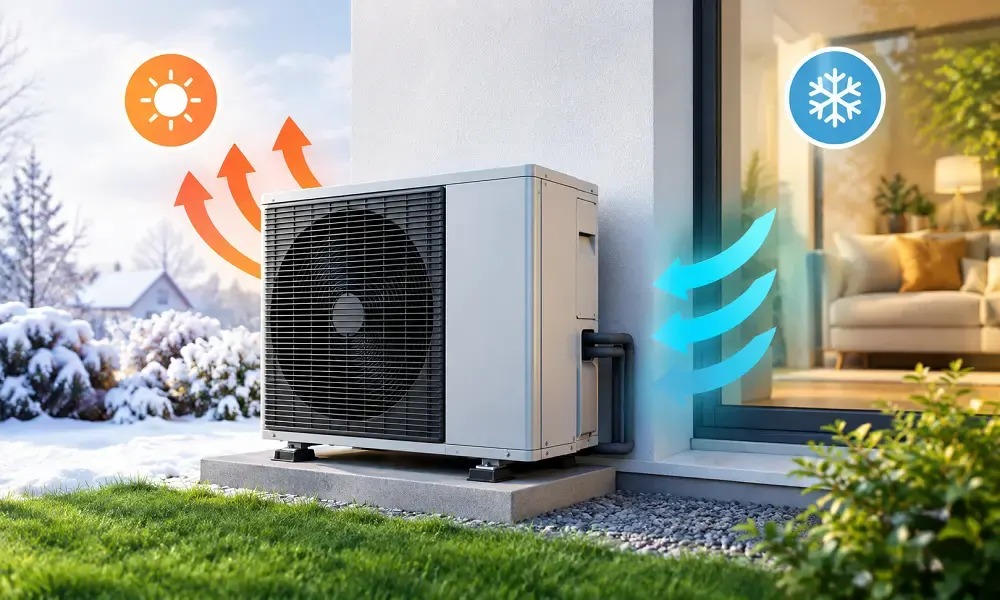
An air source heat pump extracts heat energy from the outside air and transfers it into your home’s heating system. It uses electricity to operate components such as the compressor, fans, and circulation pumps.
Unlike traditional electric heaters, which generate heat directly, heat pumps move existing thermal energy. This allows them to deliver several units of heat for each unit of electricity consumed under suitable operating conditions.
Understanding COP
The Coefficient of Performance (COP) measures how efficiently a heat pump converts electricity into useful heat.
For example, a heat pump works with a COP of 3 produces approximately 3 kWh of heat for every 1 kWh of electricity it consumes.
2. How Much Electricity Does an Air Source Heat Pump Use Daily?
Daily electricity consumption varies from one property to another. A smaller, well-insulated home may require less electricity than a larger property with higher heating demand.
As an illustrative guide, a household might use around 5–20 kWh of electricity per day for heat pump operation during periods when heating is needed. This is not a guaranteed range, and actual usage can be lower or considerably higher depending on the weather, hot water demand, and system design.
For example, if a heat pump needs to deliver 30 kWh of heat in one day and operates at an average COP of 3, it would consume approximately 10 kWh of electricity.
3. Factors That Affect Daily Electricity Consumption
Several factors influence how much electricity your air source heat pump uses.
Property Size
Larger homes generally require more heating energy because they have more rooms and a greater area to keep warm. However, insulation and building design can make a significant difference.
Home Insulation
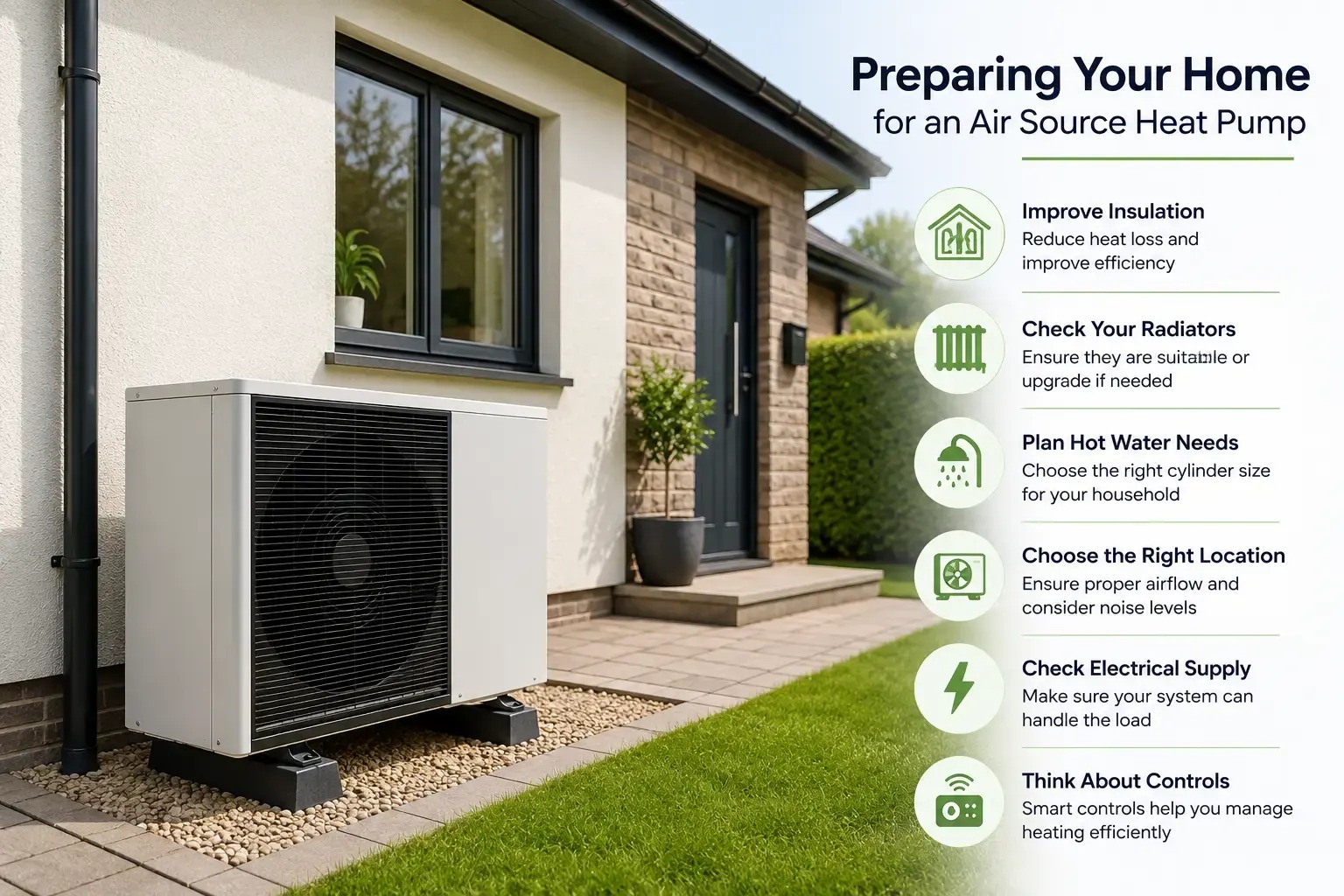
A well-insulated property retains heat more effectively. Loft insulation, wall insulation, double glazing, and draught-proofing can reduce heat loss and help lower heating demand.
Outdoor Temperature
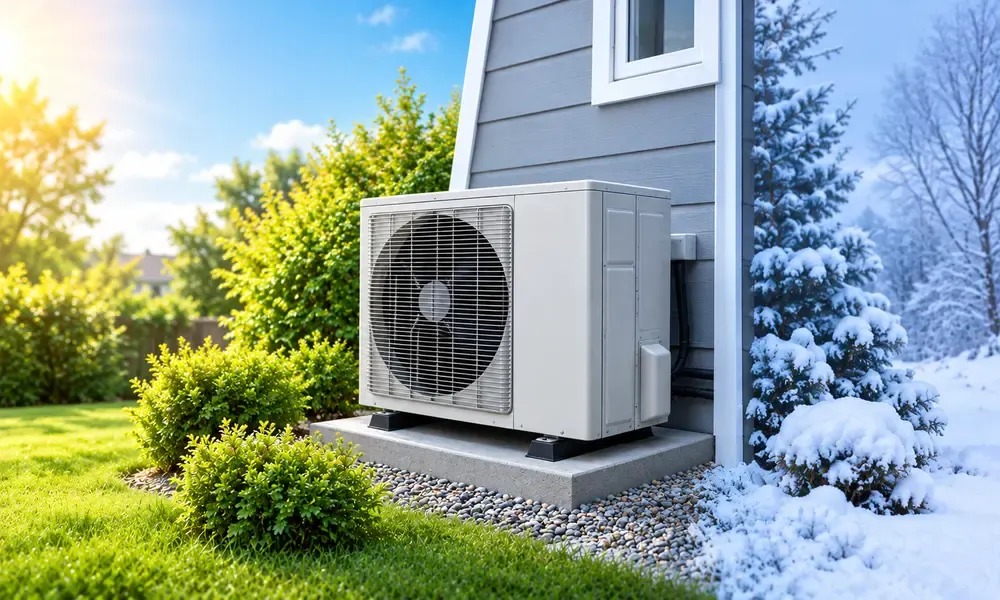
Heat pumps generally work harder when outdoor temperatures are very low. As the temperature difference between the outside air and the required heating water increases, efficiency may decrease.
Flow Temperature
Higher flow temperatures usually require more work from the heat pump. Systems designed to operate at lower flow temperatures can often achieve better efficiency.
Household Heating Habits
Heating schedules, thermostat settings, occupancy, and hot water usage also influence daily electricity consumption.
4. How to Estimate Your Heat Pump’s Daily Running Cost
To estimate the daily cost, multiply the electricity consumed by your electricity tariff.
Example:
- Daily electricity consumption: 10 kWh
- Electricity price: £0.25 per kWh
- Estimated daily cost: £2.50
This is an illustrative calculation, not a typical or guaranteed household bill. Your actual tariff and consumption may differ.
You should also check whether your electricity tariff has different rates at different times of day.
5. Tips to Reduce Air Source Heat Pump Electricity Usage
Homeowners can take several practical steps to improve heat pump efficiency.
Improve Home Insulation
Reducing heat loss means the heating system does not need to work as hard to maintain indoor comfort.
Use Weather Compensation
Weather compensation adjusts the heating flow temperature according to outdoor conditions. When configured correctly, it can help avoid unnecessarily high water temperatures.
Maintain a Suitable Flow Temperature
Avoid setting the flow temperature higher than necessary. Ask your installer to check whether your radiators and heating controls are suitable for lower-temperature operation.
Arrange Regular Servicing
Professional maintenance can help identify performance problems and keep important components working correctly.
6. Is an Air Source Heat Pump Expensive to Run?
Running costs depend on electricity prices, system efficiency, property insulation, and heating demand. A well-designed heat pump in a suitable property may offer efficient heating, but savings are not guaranteed for every household.
Before installation, compare the expected heat pump running costs with your existing heating system. Include installation expenses, maintenance, electricity tariffs, and any necessary radiator or insulation upgrades.
Conclusion
The amount of electricity an air source heat pump uses per day depends on property size, insulation, outdoor temperatures, flow temperature, and household heating habits. While an illustrative daily consumption might range from 5–20 kWh, actual usage can vary significantly. Improving insulation, using suitable heating controls, and maintaining the system can help manage electricity consumption. For homeowners exploring efficient heating options and heat pump solutions, Wunergy is worth considering when researching ways to improve home energy performance.Contact us more details.