
What Makes a Home Suitable for a Heat Pump? A Complete Guide for UK Homeowners
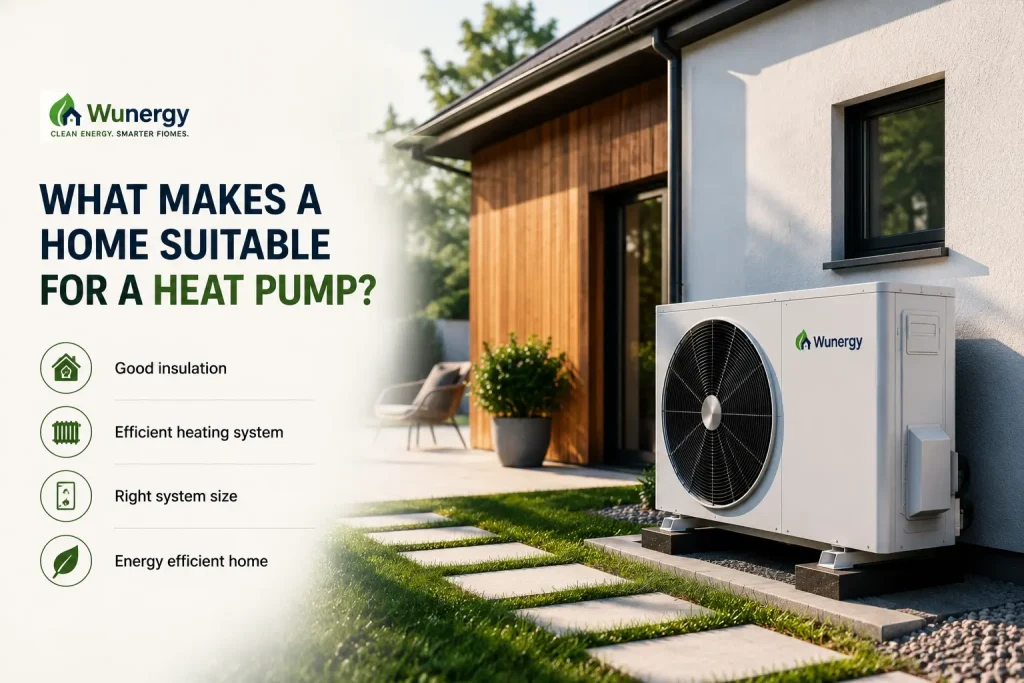
As more homeowners across the UK look for energy-efficient ways to heat their homes, heat pumps have become one of the most popular renewable heating solutions. They offer lower carbon emissions, improved energy efficiency, and the potential to reduce long-term heating costs. However, before making the switch, many people ask an important question: What makes a home suitable for a heat pump? The good news is that most properties can successfully use a heat pump when the system is correctly designed and installed. At Wunergy, we help homeowners understand their property’s heating needs and recommend tailored heat pump solutions that deliver reliable performance and long-term value. In this guide, we’ll explore the key factors that determine whether your home is suitable for a heat pump and explain how you can prepare your property for a successful installation. Understanding How a Heat Pump Works A heat pump captures renewable heat from the outside air and transfers it into your home to provide heating and hot water. Unlike traditional gas or oil boilers that generate heat by burning fuel, a heat pump moves existing heat from one place to another using electricity. Because this process is highly efficient, heat pumps can produce several units of heat for every unit of electricity they consume. This makes them one of the most energy-efficient heating technologies available for UK homes. Why Home Suitability Matters Every property is different. The size of your home, its insulation, heating system, and hot water demand all influence how well a heat pump will perform. A properly designed system ensures: At Wunergy, every installation begins with a detailed property assessment to ensure the heat pump is correctly matched to the home. Good Insulation Is the Foundation One of the most important factors in heat pump performance is insulation. Heat pumps work by providing a steady flow of warmth rather than short bursts of high heat. If your home loses heat quickly, the system has to work harder to maintain a comfortable temperature. Improving insulation helps retain heat and allows the heat pump to operate more efficiently. Areas to consider include: Loft Insulation A well-insulated loft can significantly reduce heat loss through the roof, helping your home stay warmer for longer. Wall Insulation Whether your home has cavity walls or solid walls, improving insulation can reduce energy loss and increase heating efficiency. Floor Insulation Insulating floors helps prevent heat from escaping through the ground level, especially in older properties. High-Performance Windows Double or triple glazing reduces draughts and improves the overall energy performance of your property. Choosing the Right Heat Pump Size Selecting the correct heat pump size is essential. A system that is too small may struggle to keep your home warm, while an oversized unit can cycle on and off too frequently, reducing efficiency. Professional installers calculate the correct size by considering: At Wunergy, we perform detailed heat loss calculations to ensure every customer receives a heat pump that matches their home’s specific requirements. Existing Heating System Many homeowners wonder whether they need to replace their entire heating system. In many cases, existing radiators can continue to be used. However, some homes benefit from larger radiators or underfloor heating because heat pumps operate at lower flow temperatures than traditional boilers. During a professional assessment, your installer will determine whether any upgrades are recommended. Outdoor Space Requirements Air source heat pumps require an outdoor unit that absorbs heat from the surrounding air. Most homes have sufficient space, including: The outdoor unit should have adequate airflow and enough clearance to operate efficiently. Does Property Size Matter? Property size affects the capacity of the heat pump rather than determining whether a home is suitable. Small Homes Flats, apartments, and smaller houses generally require lower-capacity systems that are efficient and cost-effective. Medium Homes Three-bedroom family homes usually require mid-sized heat pumps capable of providing heating and hot water. Large Homes Detached properties and homes with multiple bathrooms often need larger systems with higher heating output. No matter the property size, choosing the correct system ensures consistent comfort and efficiency. Energy Performance Certificate (EPC) A home’s Energy Performance Certificate (EPC) provides an indication of its energy efficiency. Homes with better EPC ratings often achieve higher heat pump performance because they retain heat more effectively. If your EPC rating is lower, improving insulation before installation can deliver better long-term results. Hot Water Demand Heat pumps provide both space heating and domestic hot water. The ideal system depends on: Selecting the correct hot water cylinder ensures reliable performance throughout the day. Can Older Homes Use Heat Pumps? Absolutely. One of the biggest misconceptions is that only newly built homes can benefit from heat pumps. Many older UK properties successfully use heat pumps after simple improvements such as: At Wunergy, we regularly install heat pumps in both modern and traditional homes, helping homeowners enjoy improved comfort while reducing energy consumption. Benefits of Installing a Heat Pump Heat pumps provide more than just efficient heating. Lower Energy Bills Modern heat pumps consume less energy than many conventional heating systems, helping reduce household running costs. Reduced Carbon Emissions Using renewable heat helps lower your home’s environmental impact. Consistent Indoor Comfort Heat pumps provide gentle, even heating throughout the day, creating a comfortable living environment. Low Maintenance With regular servicing, heat pumps are reliable systems that require relatively little maintenance. Future-Ready Heating As the UK continues its transition to low-carbon energy, heat pumps are becoming one of the preferred heating solutions for homes. Common Misconceptions “My Home Is Too Old” Age is rarely the deciding factor. The overall condition and energy efficiency of the property are far more important. “Heat Pumps Only Work in Mild Weather” Modern air source heat pumps are designed to operate efficiently during typical UK winter conditions. “Installation Is Too Complicated” Professional installers carefully assess your property and plan the installation to minimise disruption. Why Choose Wunergy? Choosing the right installer is just as important as choosing the right heat pump. At Wunergy, we are
Is My Home Suitable for a Heat Pump? A Complete Guide for UK Homeowners
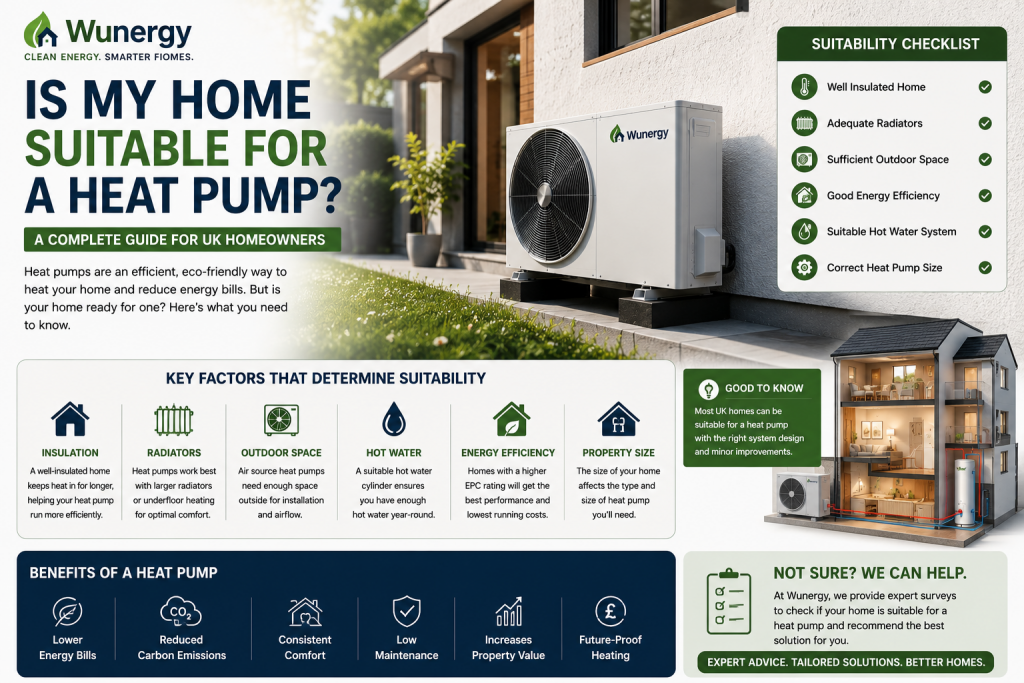
With energy prices continuing to rise and the UK moving towards low-carbon heating, more homeowners are asking an important question: Is my home suitable for a heat pump? Heat pumps have become one of the most efficient and environmentally friendly heating solutions available, but not every property has the same heating requirements. The good news is that most homes in the UK can benefit from a heat pump when the system is correctly designed and professionally installed. At Wunergy, we help homeowners assess their property’s suitability and recommend the most effective renewable heating solution based on their home’s size, insulation, and energy needs. This guide explains the key factors that determine whether your home is suitable for a heat pump and what you can do to maximise its efficiency. What Makes a Home Suitable for a Heat Pump? A heat pump extracts renewable heat from the outside air and transfers it into your home to provide heating and hot water. Unlike traditional boilers, heat pumps operate most efficiently when they provide a steady, consistent level of warmth. Several factors determine whether your property is a good candidate for a heat pump, including: A professional home assessment helps ensure the system is correctly sized for your property. Does the Age of Your Home Matter? Many people believe only newly built houses can use heat pumps, but this is a common misconception. Heat pumps can be installed in: Older homes may simply require improvements such as better insulation or radiator upgrades to achieve the best results. At Wunergy, we regularly help homeowners modernise existing properties with energy-efficient heat pump systems. Why Insulation Is So Important One of the biggest factors affecting heat pump performance is insulation. A well-insulated home keeps heat inside for longer, allowing the heat pump to work more efficiently and consume less electricity. Consider checking: Loft Insulation Heat naturally rises, making loft insulation one of the most effective ways to reduce heat loss. Wall Insulation Solid wall or cavity wall insulation helps maintain indoor temperatures throughout the year. Double or Triple Glazing Modern windows reduce draughts and improve overall energy efficiency. Floor Insulation Insulated floors can prevent heat from escaping through the ground floor. Improving insulation before installing a heat pump can increase efficiency and reduce running costs. Can I Keep My Existing Radiators? In many cases, yes. Modern heat pumps can work with existing radiators, although some homes benefit from installing larger radiators to maximise heat output. A professional survey will determine whether your current heating system is compatible or if upgrades are recommended. At Wunergy, every installation begins with a detailed assessment to ensure your existing heating system works effectively with your new heat pump. Is Outdoor Space Required? Air source heat pumps require an outdoor unit that draws heat from the surrounding air. Most homes have enough space for installation, including: The outdoor unit should be installed in a location with good airflow and minimal obstructions. Does Property Size Affect Heat Pump Suitability? Property size influences the size of the heat pump rather than whether your home is suitable. Small homes require lower-capacity systems, while larger properties need more powerful units to provide consistent heating. Whether you live in a compact flat or a spacious detached house, there is usually a heat pump solution designed to meet your needs. What About Hot Water? Heat pumps provide both heating and domestic hot water. The correct hot water cylinder size depends on: Choosing the right system ensures reliable hot water throughout the day. Energy Performance Matters Homes with a higher Energy Performance Certificate (EPC) rating generally achieve better heat pump performance. If your property has a lower EPC rating, improving insulation and reducing heat loss can make a significant difference before installation. Benefits of Installing a Heat Pump Choosing a heat pump offers many advantages beyond lower heating bills. Lower Energy Costs Heat pumps are highly efficient and can reduce household energy consumption compared to older heating systems. Reduced Carbon Emissions Using renewable energy helps lower your home’s environmental impact. Consistent Comfort Heat pumps provide steady, even heating rather than short bursts of high temperatures. Future-Proof Heating As the UK transitions towards low-carbon energy, heat pumps are becoming one of the preferred heating technologies for modern homes. Increased Property Appeal Energy-efficient homes are increasingly attractive to buyers looking for lower running costs and sustainable features. Common Myths About Heat Pumps “Heat Pumps Only Work in New Homes” False. Many older UK properties can successfully use heat pumps after appropriate home improvements. “Heat Pumps Don’t Work During Winter” Modern air source heat pumps continue to operate efficiently even during cold winter weather. “Heat Pumps Are Too Expensive” While the initial investment can be higher than replacing a boiler, government grants and long-term energy savings often make heat pumps a worthwhile investment. Why Choose Wunergy? At Wunergy, we believe every homeowner deserves expert guidance when choosing renewable heating. Our team provides: Every home is different, which is why we recommend solutions based on your property’s unique characteristics rather than a one-size-fits-all approach. How to Find Out if Your Home Is Suitable If you’re unsure whether a heat pump is right for your property, the first step is arranging a professional assessment. During a survey, experts evaluate: This information allows the correct heat pump system to be selected for maximum comfort and efficiency. Final Thoughts So, is your home suitable for a heat pump? In most cases, the answer is yes. Whether you own a modern house, a period property, or a family home, the right heat pump system can provide reliable heating, lower energy bills, and reduced carbon emissions. The key is choosing the correct system for your property’s size, insulation, and heating requirements. At Wunergy, we’re committed to helping UK homeowners make the switch to cleaner, more efficient heating with expert advice and tailored renewable energy solutions. A professional home assessment is the best way to determine the ideal heat pump for your property and start enjoying the
Heat Pump Installation Costs for Small and Large Properties
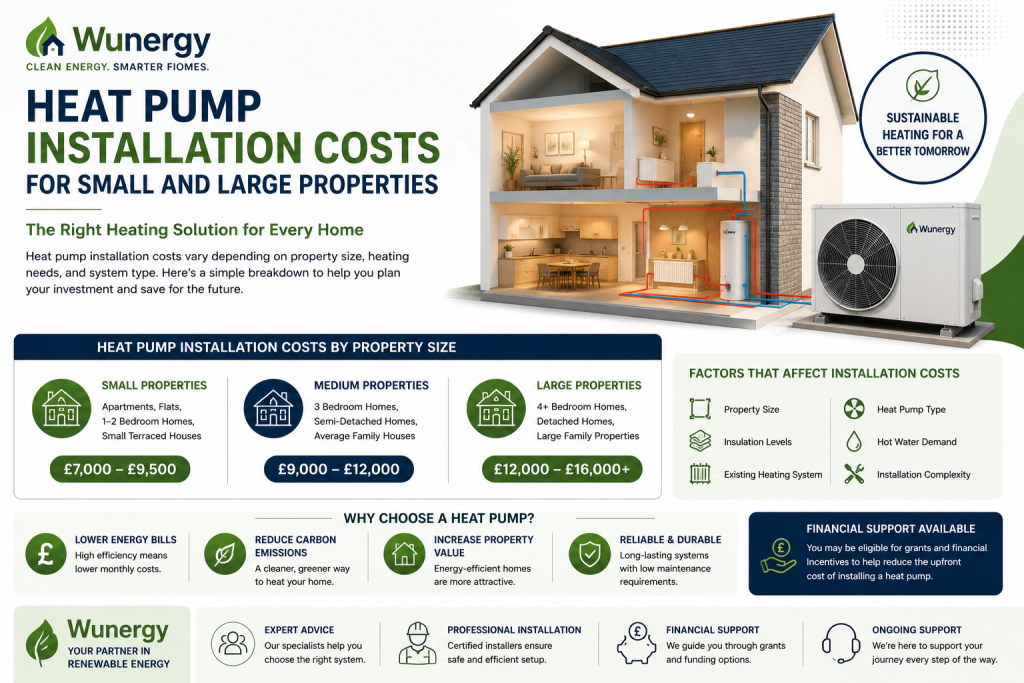
As energy efficiency becomes a priority for homeowners across the UK, heat pumps continue to gain popularity as a sustainable alternative to traditional heating systems. One of the most important questions homeowners ask before making the switch is: How much does heat pump installation cost for small and large properties? The answer depends on several factors, including property size, insulation levels, heating requirements, and the type of heat pump selected. At Wunergy, we help homeowners understand these costs and choose the right heating solution for their property. Why Property Size Impacts Heat Pump Costs Every property has different heating demands. A one-bedroom apartment requires far less energy than a large detached family home. As property size increases, the heating system must deliver greater output to maintain comfortable indoor temperatures. Larger properties often require: These factors directly influence the total installation cost. Heat Pump Installation Costs for Small Properties Small properties include: These homes usually require lower-capacity heat pumps because their heating demand is relatively low. Typical Costs for Small Homes Property Type Estimated Cost Apartment £7,000–£8,000 One-bedroom home £7,500–£8,500 Two-bedroom house £8,000–£9,500 Smaller properties often benefit from simpler installations, making them more affordable. At Wunergy, many homeowners with smaller homes choose compact air source heat pumps that deliver excellent efficiency while reducing energy bills. Heat Pump Installation Costs for Medium-Sized Homes Three-bedroom family homes are among the most common properties in the UK. Typical costs include: These homes often require larger heating systems and greater hot water capacity. Heat Pump Costs for Large Properties Large properties generally include: These properties require larger systems capable of delivering sufficient heating throughout the entire home. Estimated Costs for Large Homes Property Type Estimated Cost Four-bedroom house £12,000–£14,000 Large detached home £14,000–£16,000+ Multi-zone property £15,000–£18,000+ Larger properties may require additional heating zones, upgraded pipework, or larger hot water storage systems. Factors That Affect Installation Costs 1. Insulation Levels Well-insulated homes retain heat more effectively. Better insulation often allows homeowners to install smaller and more efficient systems. 2. Existing Heating System Older heating systems may require radiator replacements or pipework upgrades. 3. Heat Pump Type Air source heat pumps are generally more affordable than ground source systems. 4. Hot Water Demand Larger households usually require larger hot water cylinders and increased capacity. 5. Installation Complexity Property access, outdoor space, and system design all affect installation costs. Air Source Heat Pumps for Every Property Air source heat pumps remain one of the most popular renewable heating solutions in the UK. Benefits include: At Wunergy, we help homeowners choose systems that match their property’s size and heating requirements. Government Grants and Support Financial incentives continue to make heat pumps more affordable for eligible homeowners. Government support schemes can significantly reduce the upfront installation cost, helping more households transition to low-carbon heating systems. These incentives make renewable energy solutions increasingly accessible. Long-Term Savings Although installation costs may seem high initially, heat pumps provide substantial long-term benefits. Homeowners may experience: Over time, these savings can help offset a significant portion of the installation cost. Why Homeowners Choose Wunergy At Wunergy, we understand that every property is different. Our goal is to provide heating solutions that deliver long-term value and energy efficiency. Our services include: Whether you own a small apartment or a large detached home, our team helps you find the right solution. Choosing the Correct Heat Pump Size A correctly sized heat pump is essential for performance. An undersized system may struggle to heat your property, while an oversized system may operate inefficiently. Professional calculations consider: This ensures optimal efficiency and comfort. Final Thoughts Heat pump installation costs vary considerably between small and large properties. Smaller homes generally require lower investment, while larger properties often need more powerful systems and additional upgrades. At Wunergy, we help homeowners make informed decisions by providing expert advice and tailored renewable heating solutions. Whether your property is small or large, investing in the right heat pump can provide lower energy bills, improved comfort, and long-term energy savings while supporting a more sustainable future.
Heat Pump Installation Costs by Property Size: A Complete UK Guide
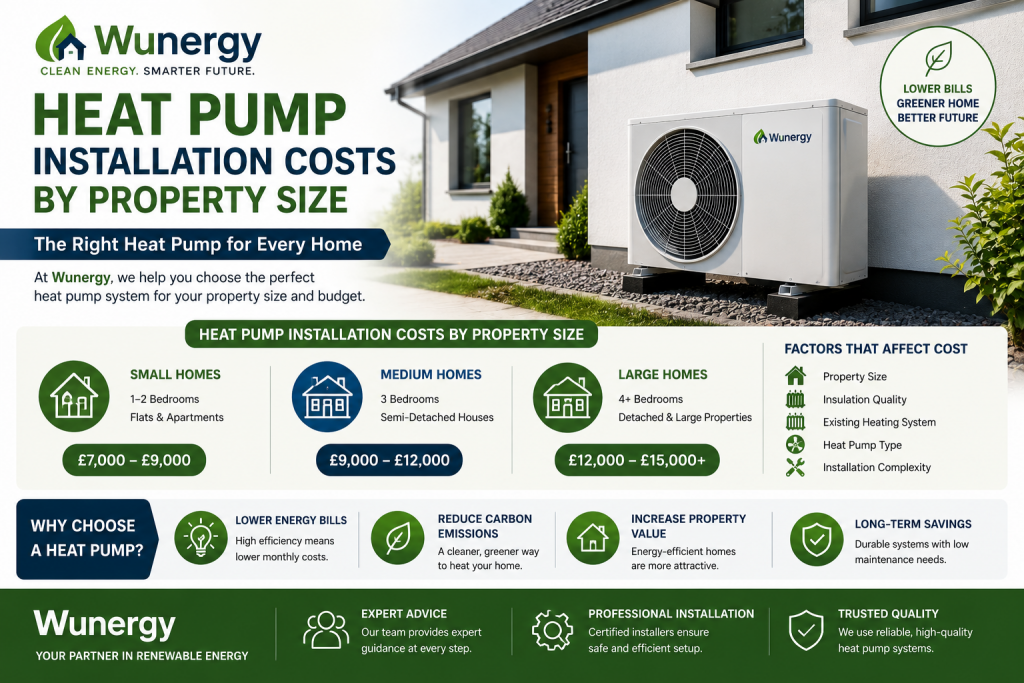
As more homeowners across the UK switch to renewable heating systems, understanding heat pump installation costs by property size has become increasingly important. At Wunergy, we help homeowners find energy-efficient heating solutions that match their property size, heating requirements, and budget. Whether you own a small apartment, a family home, or a large detached property, choosing the right heat pump system is essential for achieving maximum comfort and energy savings. Why Property Size Matters Property size is one of the biggest factors affecting heat pump installation costs. Larger homes require greater heating output, larger equipment, and sometimes additional radiators or pipework. According to the heating specialists at Wunergy, selecting the correct heat pump size ensures better performance, lower energy bills, and improved long-term efficiency. Heat Pump Costs for Small Homes Small homes, flats, and one or two-bedroom properties usually require smaller heat pump systems. These homes often have lower heating demands and can benefit from reduced installation costs. At Wunergy, many homeowners with smaller properties choose compact and highly efficient air source heat pumps that deliver reliable heating while keeping running costs low. Heat Pump Costs for Medium-Sized Homes Medium-sized properties typically require larger systems capable of meeting increased heating and hot water demands. The experts at Wunergy recommend a professional property assessment to determine the ideal heat pump capacity for three-bedroom homes and family properties. Heat Pump Costs for Large Homes Large detached homes often require more powerful systems and additional heating zones. Wunergy provides tailored heat pump solutions designed to maximize comfort, efficiency, and long-term savings for larger properties. The Importance of Professional Installation Proper installation plays a major role in heat pump performance. An incorrectly sized system can reduce efficiency and increase operating costs. At Wunergy, every property assessment considers insulation levels, room sizes, heating demand, and existing heating systems to ensure optimal performance. Long-Term Savings and Energy Efficiency Installing a heat pump is a long-term investment. Modern systems can help reduce energy consumption, lower carbon emissions, and improve home comfort. By choosing Wunergy, homeowners can benefit from professional guidance, energy-efficient heating solutions, and systems designed to deliver lasting savings. Why Homeowners Choose Wunergy Homeowners trust Wunergy because of its commitment to renewable energy solutions, energy efficiency, and customer satisfaction. Benefits of working with Wunergy include: Final Thoughts Heat pump installation costs vary depending on property size, insulation, and heating requirements. Smaller homes often require lower investment, while larger properties may need more powerful systems. With expert guidance from Wunergy, homeowners can choose the right heat pump system for their property and enjoy lower energy bills, improved comfort, and long-term energy savings.
How Much Does It Cost to Install a Heat Pump in the UK?
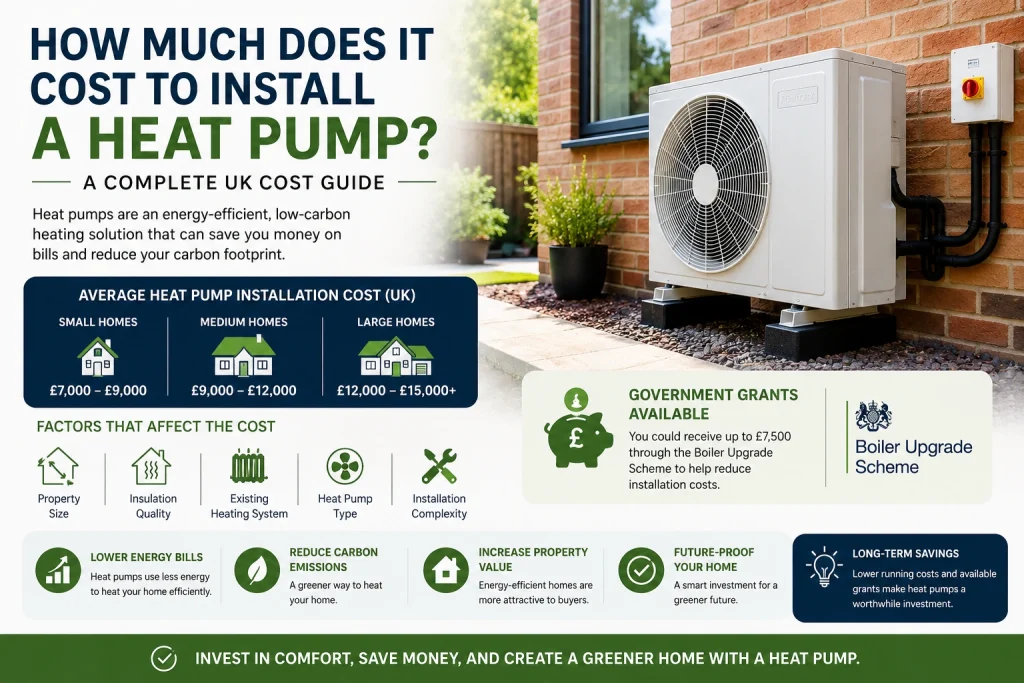
With rising energy prices and increasing interest in renewable heating solutions, many UK homeowners are asking an important question: how much does it cost to install a heat pump? Heat pumps have become one of the most popular energy-efficient heating systems, offering lower carbon emissions and reduced energy bills. Understanding the costs involved can help homeowners make informed decisions and take advantage of available government incentives. Average Heat Pump Installation Cost The cost of installing a heat pump in the UK typically ranges between £7,000 and £15,000, depending on several factors, including property size, insulation levels, and the type of heat pump installed. Air source heat pumps are generally more affordable than ground source systems and are the most common choice for UK homes. Typical installation costs include: The final cost depends on the complexity of the installation and any additional upgrades required. Factors That Affect Heat Pump Installation Costs Several factors influence the total price of a heat pump installation. Property Size Larger homes require bigger heat pump systems to provide sufficient heating, which can increase equipment and installation costs. Insulation Quality Well-insulated properties often require smaller systems and operate more efficiently. Poor insulation may require additional upgrades before installation. Existing Heating System Replacing an old gas boiler with a heat pump may involve modifications to radiators, pipework, or hot water cylinders. Heat Pump Type Air source heat pumps are generally more affordable, while ground source heat pumps involve excavation work and higher installation costs. Installation Complexity Properties with limited outdoor space or difficult access may require additional labour and equipment. Government Grants and Financial Support The UK government offers financial support through the Boiler Upgrade Scheme, helping homeowners reduce installation costs. Eligible households may receive grants that significantly lower the upfront investment required for a heat pump installation. These incentives make renewable heating systems more affordable and encourage the transition to low-carbon heating solutions. Running Costs and Long-Term Savings Although heat pumps require an initial investment, they can help reduce heating bills over time. Modern systems operate efficiently and use less energy than many traditional heating methods. Lower energy consumption and reduced maintenance costs can provide long-term financial benefits for homeowners. Are Heat Pumps Worth the Investment? For many households, installing a heat pump offers several advantages: As the UK moves toward greener energy solutions, heat pumps continue to grow in popularity. Tips for Reducing Installation Costs Homeowners can reduce costs by: Planning ahead can help maximize savings and improve system performance. Final Thoughts So, how much does it cost to install a heat pump? The answer depends on your property, heating requirements, and the type of system you choose. While installation costs can range from £7,000 to £15,000, government support and long-term energy savings make heat pumps an attractive investment. As energy efficiency becomes increasingly important, heat pumps offer a sustainable and cost-effective heating solution for modern UK homes.
What Is a Heat Pump Tumble Dryer? Everything UK Homeowners Need to Know
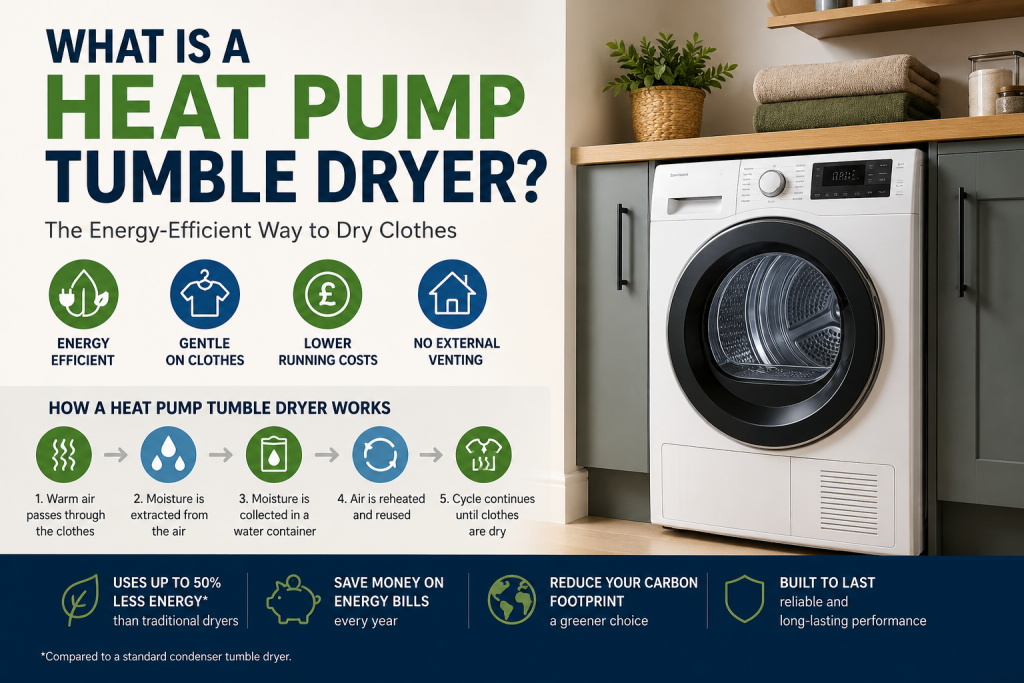
What Is a Heat Pump Tumble Dryer? A heat pump tumble dryer is an energy-efficient appliance that dries clothes by recycling warm air instead of continuously generating new heat. Unlike traditional vented or condenser dryers, a heat pump tumble dryer uses advanced heat pump technology to reuse hot air, reducing electricity consumption and lowering energy bills. As energy costs continue to rise across the UK, many homeowners are choosing heat pump tumble dryers because they offer excellent performance while using significantly less energy. How Does a Heat Pump Tumble Dryer Work? A heat pump tumble dryer works by circulating warm air through the drum to remove moisture from clothes. Instead of releasing this warm air outside or wasting it, the appliance captures and reheats it. The process includes: This closed-loop system makes the appliance highly energy efficient. Benefits of a Heat Pump Tumble Dryer Lower Energy Bills One of the biggest advantages of a heat pump tumble dryer is its energy efficiency. These dryers can use up to 50% less electricity compared to conventional models. Gentle on Clothes Heat pump dryers operate at lower temperatures, helping protect fabrics from excessive heat damage. Clothes maintain their shape, colour, and quality for longer. Environmentally Friendly Because they consume less energy, heat pump dryers help reduce household carbon emissions, making them a more sustainable choice. Flexible Installation Unlike vented dryers, heat pump tumble dryers do not require external vents, allowing installation in utility rooms, kitchens, or cupboards. Long-Term Savings Although the initial purchase cost may be higher, reduced energy bills often lead to savings over time. Heat Pump Tumble Dryer vs Condenser Dryer Feature Heat Pump Tumble Dryer Condenser Dryer Energy Efficiency Excellent Moderate Running Costs Lower Higher Drying Temperature Lower Higher Fabric Protection Better Moderate Purchase Price Higher Lower Environmental Impact Lower Higher For homeowners seeking long-term savings, a heat pump tumble dryer often provides better value. Are Heat Pump Tumble Dryers Expensive? The upfront cost of a heat pump tumble dryer is generally higher than standard models. However, the lower electricity usage can help offset the initial investment over several years. Many modern models carry high energy ratings, making them an attractive option for energy-conscious households. Do Heat Pump Tumble Dryers Take Longer to Dry Clothes? Yes, drying cycles may take slightly longer because the appliance uses lower temperatures. However, the reduced energy consumption and improved fabric care often outweigh the extra drying time. Many newer models include smart sensors that automatically stop the cycle when clothes are dry. Who Should Buy a Heat Pump Tumble Dryer? A heat pump tumble dryer is ideal for: Tips for Using a Heat Pump Tumble Dryer Efficiently Proper maintenance helps ensure maximum efficiency and longer appliance life. The Future of Energy-Efficient Appliances As UK households focus more on energy savings and sustainability, heat pump technology is becoming increasingly popular. From heating systems to laundry appliances, heat pump solutions provide an effective way to reduce energy consumption and lower environmental impact. Investing in energy-efficient appliances can contribute to lower utility bills and a greener home. Final Thoughts A heat pump tumble dryer is an excellent choice for homeowners who want to save energy, reduce running costs, and protect their clothing. Although the initial cost may be higher, the long-term benefits make these appliances a worthwhile investment. As energy efficiency becomes more important, heat pump tumble dryers are expected to become a standard feature in modern UK homes.
Save Money and Energy with Modern Air Source Heat Pump Technology
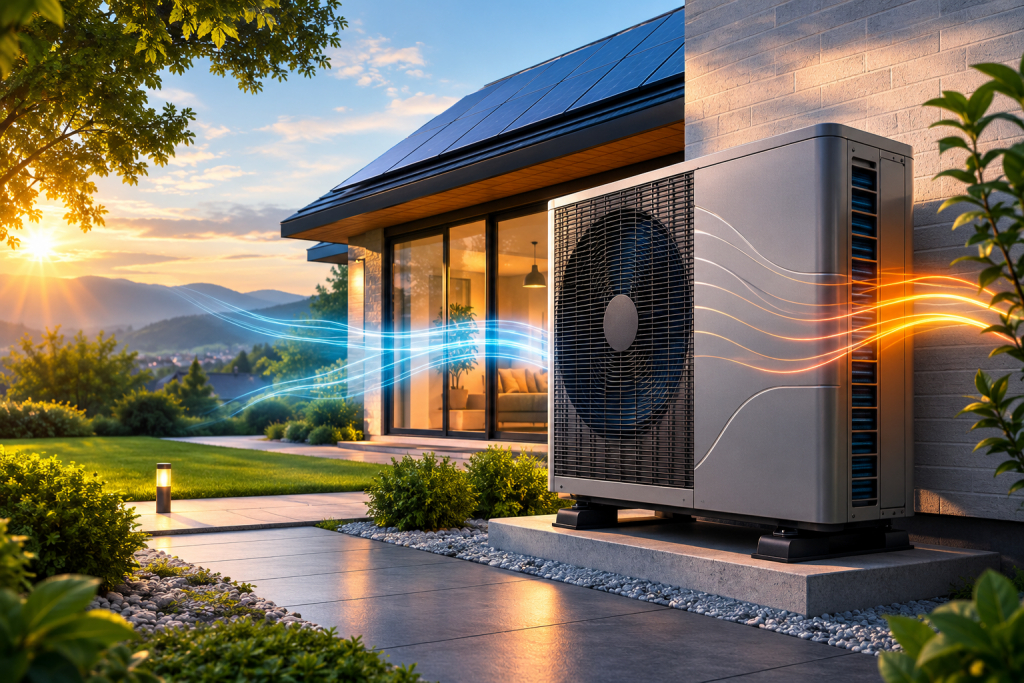
Modern heating systems are rapidly evolving as energy efficiency, sustainability, and long-term cost savings become top priorities for homeowners and businesses. Among the most impactful innovations in this space is the air source heat pump, a technology that is reshaping how buildings are heated and cooled. At Wunergy, advanced air source heat pump systems are engineered to deliver high performance heating while significantly reducing energy consumption and running costs. Unlike traditional heating systems that depend on burning fossil fuels, heat pumps use renewable thermal energy from the air, making them a smarter and more sustainable choice for the future. Understanding Modern Air Source Heat Pump Technology Air source heat pumps operate on a simple but highly efficient principle: they extract heat energy from the outside air and transfer it indoors using a refrigeration cycle. Even when outdoor temperatures are low, there is still usable thermal energy in the air. The system captures this energy through an evaporator, compresses it to increase its temperature, and then transfers it into the building’s heating system and hot water supply. This process is far more efficient than traditional heating methods because it does not create heat by burning fuel. Instead, it moves existing heat energy, allowing the system to produce multiple units of heat for every unit of electricity consumed. This efficiency is measured by the Coefficient of Performance (COP), which in modern systems can be significantly higher than conventional electric heating. Why Air Source Heat Pumps Reduce Energy Costs One of the most important reasons people switch to heat pumps is the potential for major cost savings. Traditional heating systems such as gas boilers and electric heaters consume large amounts of energy to generate heat. This directly translates into higher utility bills, especially during colder months when heating demand increases. Air source heat pumps work differently by maximizing energy efficiency. Because they transfer heat instead of generating it, they can reduce electricity consumption by up to 75 percent compared to standard electric heating systems. Over time, this reduction in energy usage leads to significant financial savings for both residential and commercial users. In addition, modern systems offered by Wunergy are designed with inverter-driven compressors that adjust power output based on real-time heating demand. This prevents unnecessary energy waste and ensures that the system only uses the energy it actually needs, further improving efficiency and lowering costs. Environmental Benefits and Carbon Reduction Air source heat pumps are not just cost-effective; they are also environmentally responsible. As global efforts to reduce carbon emissions intensify, heating systems powered by fossil fuels are becoming less sustainable. Heat pumps help address this challenge by using renewable energy from the air, significantly reducing reliance on gas, oil, and coal. By switching to an air source heat pump, households can reduce their carbon footprint substantially each year. This reduction is equivalent to eliminating a significant portion of emissions produced by conventional heating systems. As more homes and businesses adopt this technology, the collective impact on reducing greenhouse gas emissions becomes even more significant. Advanced Features of Modern Heat Pump Systems Modern air source heat pumps have evolved significantly compared to earlier models. Today’s systems are equipped with advanced features that improve performance, convenience, and reliability. Systems installed by Wunergy often include DC inverter technology, which allows the compressor to adjust its speed based on heating demand. This results in smoother operation, reduced energy consumption, and improved lifespan of the system. Another key advancement is smart control integration. Users can manage their heating systems remotely through WiFi-enabled controls, allowing them to adjust temperature settings, monitor performance, and optimize energy usage from mobile devices. This level of control ensures better energy management and greater comfort. Noise reduction technology has also improved significantly. Modern systems are designed with brushless DC fans, vibration dampening materials, and insulated compressors. As a result, they operate at very low noise levels, making them suitable for residential neighborhoods where quiet performance is essential. Performance in Cold Weather Conditions One of the common misconceptions about air source heat pumps is that they do not work efficiently in cold climates. However, modern systems are specifically engineered to perform in low-temperature environments. Advanced models can operate efficiently even when outdoor temperatures drop well below freezing. This is achieved through enhanced vapor injection technology and intelligent defrosting systems. These features ensure that the unit continues to extract heat from the air even in extreme conditions, maintaining consistent indoor comfort throughout winter. Installation and System Design Importance The efficiency of an air source heat pump depends heavily on proper installation and system design. Every property has unique heating requirements based on size, insulation quality, layout, and usage patterns. A poorly designed system can lead to reduced performance and higher energy costs. Professional installation ensures that the system is correctly sized and positioned for maximum efficiency. It also includes proper integration with water tanks, buffer tanks, and distribution systems. At Wunergy, each installation is carefully assessed to ensure optimal performance and long-term reliability. Government Incentives and Financial Support To encourage the adoption of renewable heating technologies, many governments offer financial incentives for installing air source heat pumps. These incentives can significantly reduce the upfront installation cost, making the technology more accessible to homeowners and businesses. In some cases, grants can cover a substantial portion of the installation cost, allowing users to benefit from advanced heating systems at a reduced financial burden. When combined with long-term energy savings, these incentives make heat pumps one of the most financially attractive heating options available. Versatility Across Residential and Commercial Applications Air source heat pumps are highly versatile and can be used in a wide range of applications. In residential settings, they provide efficient heating and hot water solutions for homes of all sizes. In commercial environments, they are used to maintain consistent indoor temperatures in offices, retail spaces, and industrial facilities. They are also suitable for specialized applications such as swimming pool heating, where consistent temperature control is essential. This versatility makes them a valuable solution
Air Source Heat Pumps vs Gas Boilers: What You Need to Know

Heating systems in the UK are undergoing a major transformation. For decades, gas boilers have been the dominant solution for residential heating and hot water. However, rising energy prices, environmental concerns, and government incentives are driving a strong shift toward renewable technologies, especially air source heat pumps. Homeowners are now evaluating whether to stick with traditional gas boilers or switch to modern heat pump systems. This decision is no longer just about upfront cost—it involves long-term energy savings, carbon emissions, system efficiency, and future energy regulations. In this guide, we compare air source heat pumps and gas boilers in detail to help you understand which option is more suitable for modern UK homes. What Is a Gas Boiler? A gas boiler is a conventional heating system that burns natural gas to produce heat. This heat is transferred to water, which circulates through radiators and provides hot water throughout the home. Gas boilers have been widely used due to their affordability, reliability, and fast heating response. They are relatively simple systems and integrate easily into existing UK homes. However, they depend entirely on fossil fuels, which means they are affected by fluctuating gas prices and contribute to carbon emissions. As the UK moves toward net-zero targets, gas boilers are gradually being phased down in favor of cleaner alternatives. What Is an Air Source Heat Pump? An air source heat pump is a renewable heating system that extracts thermal energy from outside air and upgrades it into usable heat for indoor spaces and hot water. Instead of burning fuel, it uses electricity to transfer heat through a refrigeration cycle. Even in cold temperatures, heat energy is available in the air, allowing the system to operate efficiently throughout the year. Modern heat pumps are designed for UK climates and can deliver consistent heating performance even during winter conditions in cities like Birmingham and across northern regions. How Gas Boilers Work Gas boilers operate using combustion technology. Natural gas is ignited in a combustion chamber, producing heat that warms a heat exchanger. This heat is then transferred to water, which is pumped through radiators or underfloor heating systems. The process is fast and provides immediate warmth, making gas boilers effective for quick heating demand. However, energy is lost during combustion and exhaust, which reduces overall efficiency compared to modern renewable systems. How Air Source Heat Pumps Work Air source heat pumps work by absorbing heat from outdoor air using an evaporator coil filled with refrigerant. This refrigerant is compressed, raising its temperature significantly. The heat is then transferred into the home’s heating system via a condenser. The cycle repeats continuously, allowing the system to move more heat energy than the electricity it consumes. This is why heat pumps can achieve efficiency levels of 300% or higher in optimal conditions. Efficiency Comparison Gas boilers typically operate at 85–95% efficiency, meaning some energy is always lost during combustion and exhaust. Air source heat pumps operate at a coefficient of performance (COP) of 3.0 or higher, meaning they produce three units of heat for every one unit of electricity consumed. This makes heat pumps significantly more efficient in terms of energy usage. Winner: Air Source Heat Pumps. Running Costs and Energy Bills Gas boilers rely on natural gas prices, which are volatile and have increased sharply in recent years. This makes monthly heating bills less predictable. Air source heat pumps use electricity but require far less energy input to generate the same level of heat. Over time, especially in well-insulated homes, heat pumps can significantly reduce energy bills. However, performance depends on insulation quality, system design, and correct installation. Winner: Air Source Heat Pumps for long-term savings. Installation Cost Comparison Gas boilers are cheaper and quicker to install, typically requiring minimal changes to existing heating systems. Air source heat pumps require a higher upfront investment, as they may involve upgrades to radiators, insulation, or pipework. However, UK government incentives such as the Boiler Upgrade Scheme can reduce installation costs significantly, making heat pumps more accessible. Winner: Gas Boilers in short-term cost, but heat pumps win long-term value. Maintenance and Lifespan Gas boilers require annual servicing, regular safety checks, and may experience wear due to combustion processes. Their average lifespan is around 10–15 years. Air source heat pumps have fewer moving parts, require less frequent maintenance, and typically last 15–20 years or more when properly maintained. This makes them more durable and cost-effective over time. Winner: Air Source Heat Pumps. Environmental Impact Gas boilers produce carbon dioxide as a byproduct of burning fossil fuels, contributing significantly to household emissions. Air source heat pumps use renewable energy from the air and produce no direct emissions during operation. When powered by renewable electricity sources, their environmental impact becomes even lower. This makes heat pumps a key technology in achieving UK climate targets. Winner: Air Source Heat Pumps. Performance in Cold Weather Gas boilers perform consistently regardless of temperature. Air source heat pumps are designed to operate efficiently in low temperatures and modern systems can function even in sub-zero conditions. However, extreme cold can slightly reduce efficiency, though not enough to impact overall performance in most UK regions. Winner: Gas Boilers for extreme reliability, but heat pumps perform well in UK climate conditions. Noise Levels and Comfort Gas boilers are installed indoors and operate quietly. Air source heat pumps have an outdoor unit that produces low-level noise, typically between 40–50 decibels, similar to a refrigerator or light rainfall. Modern systems include noise-reduction technology, making them suitable for residential areas. Winner: Gas Boilers (slightly quieter overall). Government Incentives and Future Regulations The UK government is actively encouraging the adoption of renewable heating systems. Schemes like the Boiler Upgrade Scheme offer financial support for heat pump installation, making them more affordable. Gas boilers, on the other hand, are facing stricter regulations and reduced incentives due to their environmental impact. Winner: Air Source Heat Pumps. Energy Security and Future Outlook Gas boilers depend on imported fossil fuels, making them vulnerable to global price
Air Source Heat Pumps vs Gas Boilers: Which Heating System Is Best for UK Homes in 2026?

As energy prices continue to rise across the UK, homeowners are increasingly searching for efficient and cost-effective ways to heat their properties. Traditional gas boilers have been the primary heating solution for decades, but renewable technologies such as air source heat pumps are rapidly gaining popularity. With the UK government promoting cleaner energy solutions and offering financial incentives through the Boiler Upgrade Scheme, many homeowners are now asking the same question: Should I choose an air source heat pump or stick with a gas boiler? In this guide, we’ll compare both heating systems in terms of efficiency, costs, environmental impact, maintenance requirements, and long-term value to help you make an informed decision. What Is an Air Source Heat Pump? An air source heat pump (ASHP) is a renewable heating system that extracts heat from the outside air and transfers it into your home. Even when temperatures are low, heat energy exists in the air and can be captured and converted into usable heat. Unlike traditional boilers that generate heat through combustion, heat pumps simply move heat from one location to another, making them significantly more energy efficient. Air source heat pumps can provide home heating, hot water, consistent indoor temperatures, and lower carbon emissions. Modern heat pumps can operate efficiently in temperatures as low as -25°C, making them suitable for UK weather conditions throughout the year. How Does a Gas Boiler Work? Gas boilers generate heat by burning natural gas. The heat produced warms water, which is then distributed throughout the property via radiators and hot water systems. Although gas boilers have been reliable heating solutions for many years, they depend on fossil fuels and contribute directly to carbon emissions. Many UK households continue to rely on gas heating, but increasing fuel prices and environmental regulations are encouraging homeowners to explore alternative technologies. Comparing Energy Efficiency Air Source Heat Pumps One of the biggest advantages of air source heat pumps is their exceptional efficiency. A modern air source heat pump can achieve a Coefficient of Performance (COP) of up to 5.0 or higher. This means that for every 1 kWh of electricity used, up to 5 kWh of heat can be produced. This equates to efficiency levels between 300% and 500%. Benefits include lower energy consumption, reduced utility bills, improved sustainability, and greater long-term savings. Gas Boilers Modern condensing gas boilers generally achieve efficiency levels of around 90%. While this is impressive compared to older boiler models, it means that some energy is inevitably lost during combustion. As energy costs continue to rise, these efficiency differences can have a significant impact on annual heating expenses. Installation Costs Air Source Heat Pump Installation The upfront cost of installing an air source heat pump is generally higher than replacing a gas boiler. Installation costs may vary depending on property size, existing heating systems, insulation levels, and any required upgrades. However, homeowners may be eligible for government support through the Boiler Upgrade Scheme, which currently offers grants of up to £7,500 towards installation costs. Gas Boiler Installation Gas boilers typically have lower installation costs and are often easier to replace in homes that already have gas infrastructure. However, lower upfront costs do not necessarily translate into lower long-term expenses. Running Costs and Savings When evaluating heating systems, long-term operating costs are often more important than initial installation expenses. Air Source Heat Pumps Because of their high efficiency, air source heat pumps can significantly reduce energy consumption. Potential benefits include lower heating bills, reduced maintenance costs, longer system lifespan, and protection from rising gas prices. Many homeowners experience noticeable reductions in annual energy expenses after switching to a heat pump. Gas Boilers Gas boilers may initially seem more affordable, but long-term costs can increase due to fluctuating gas prices, annual servicing requirements, component replacements, and future environmental regulations. Over a 15 to 20-year period, heat pumps often provide better overall value. Environmental Benefits Sustainability is becoming a major factor when choosing a heating system. Air Source Heat Pumps Heat pumps use renewable energy from the surrounding air, resulting in much lower carbon emissions. Environmental benefits include reduced dependence on fossil fuels, lower greenhouse gas emissions, improved energy efficiency, and support for the UK’s net-zero targets. Switching from a gas boiler to a heat pump can substantially reduce a household’s environmental impact. Gas Boilers Because gas boilers burn fossil fuels directly, they continue to release carbon dioxide into the atmosphere. As the UK moves toward cleaner energy solutions, traditional gas heating systems are expected to become less attractive from both environmental and regulatory perspectives. Performance During Winter A common concern among homeowners is whether heat pumps can perform effectively during cold weather. Modern air source heat pumps use advanced technologies such as DC inverter compressors, intelligent defrost systems, and Enhanced Vapour Injection technology. These features allow systems to maintain excellent performance even in freezing conditions. Many modern units can continue operating efficiently at temperatures as low as -25°C to -30°C. Noise Levels Today’s heat pumps are designed with advanced sound reduction technologies. Features often include brushless DC fans, anti-vibration systems, and acoustic insulation. Many units operate at noise levels as low as 42 dBA, making them suitable for residential environments. This is comparable to a quiet library or a low-volume conversation. Maintenance Requirements Heat Pumps Routine maintenance generally includes cleaning filters, inspecting outdoor units, checking refrigerant levels, and annual servicing. Heat pumps have fewer combustion-related components, reducing the likelihood of certain mechanical issues. Gas Boilers Gas boilers require annual safety inspections, gas safety certification, burner maintenance, and flue inspections. Regular servicing is essential for both performance and safety. The Boiler Upgrade Scheme The UK Government’s Boiler Upgrade Scheme is helping homeowners transition to low-carbon heating technologies. Eligible property owners can receive grants of up to £7,500 toward the installation of qualifying heat pump systems. The scheme aims to reduce carbon emissions, improve energy efficiency, encourage renewable heating adoption, and lower household energy consumption. For many homeowners, this financial support significantly reduces the cost difference
Save on Heating Bills with Wunergy Heat Pump Solutions
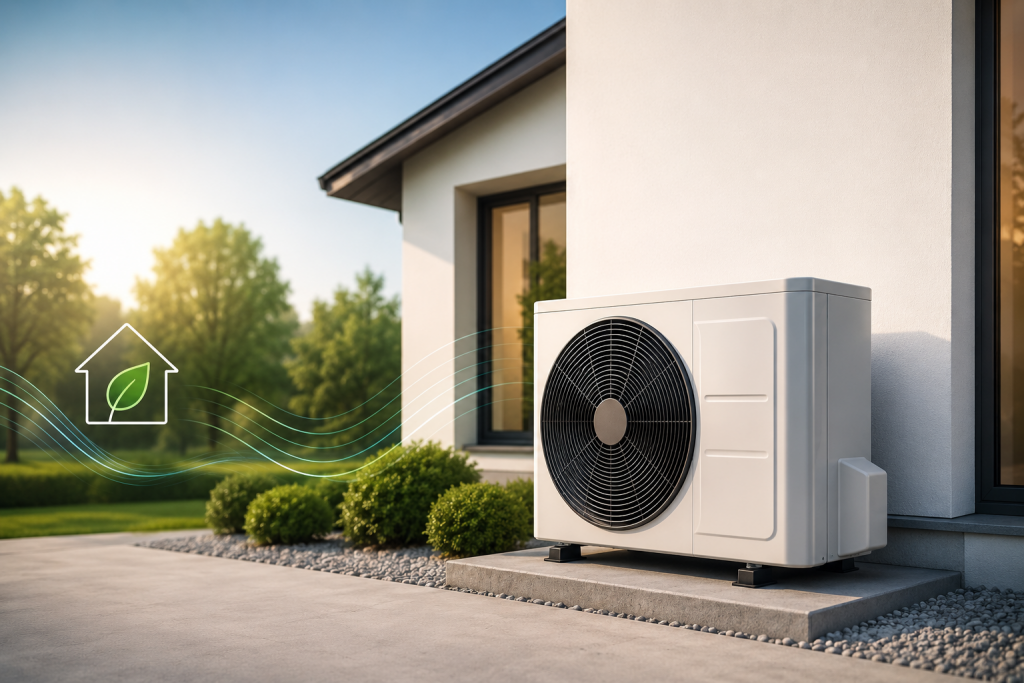
As energy prices continue to rise across the UK, homeowners are searching for smarter and more affordable ways to heat their homes. Traditional gas boilers are becoming increasingly expensive to run, while renewable heating technologies are quickly becoming the preferred alternative. At Wunergy, we help homeowners reduce their heating costs with high-performance air source heat pump solutions designed for comfort, efficiency, and long-term savings. What Is an Air Source Heat Pump? An air source heat pump is an energy-efficient heating system that extracts heat from the outside air and transfers it into your home. Even in colder temperatures, heat pumps can efficiently generate warmth and hot water while using significantly less electricity than conventional heating systems. Unlike traditional boilers that burn fuel, heat pumps move heat rather than create it, making them one of the most environmentally friendly heating options available today. Lower Your Energy Bills One of the biggest benefits of installing an air source heat pump is the potential reduction in heating costs. Heat pumps can achieve efficiencies of over 300%, meaning they produce more energy than they consume. By switching to a modern heat pump system from Wunergy, homeowners can: With tailored energy tariffs and smart heating controls, your savings can increase even further over time. Government Grants Available The UK Government currently supports renewable heating through the Boiler Upgrade Scheme. Eligible homeowners may receive up to £7,500 towards the installation of an air source heat pump. At Wunergy, our team guides you through the process, helping you understand eligibility requirements and assisting with grant applications to make your installation more affordable. Why Choose Wunergy? At Wunergy, we provide complete air source heat pump solutions across Birmingham and surrounding areas. Our experienced engineers focus on delivering reliable installations tailored to your property’s heating requirements. Our Heat Pump Benefits Include: We work with homeowners to create heating systems that are both environmentally responsible and cost-effective. Environmentally Friendly Heating Switching to an air source heat pump does more than reduce energy bills — it also helps lower your carbon footprint. Renewable heating systems produce fewer emissions compared to traditional fossil fuel heating systems, helping households contribute to a greener future. By investing in renewable energy today, you are making your home more sustainable for years to come. Is a Heat Pump Right for Your Home? Air source heat pumps are suitable for many types of properties, including: Our team at Wunergy can assess your property and recommend the most suitable heating solution based on your home size, insulation, and energy usage. Get Started with Wunergy Today If you are ready to reduce your heating bills and upgrade to a more energy-efficient heating system, Wunergy is here to help. Contact wunergy today to arrange a free survey and discover how our air source heat pump solutions can help you save money while improving home comfort and energy efficiency