
heat pump pros and cons
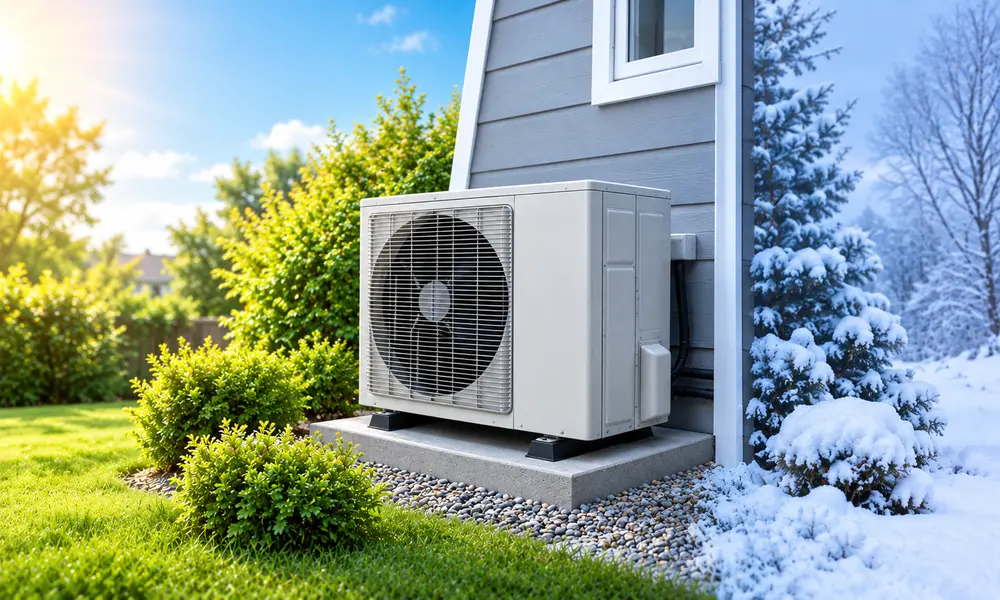
Have you ever thought of a better way of heating as well as cooling your house with fewer energy resources? If you haven’t considered heat pumps before, it is worth a try. Heat pumps are gaining widespread acceptance in today’s homes since they provide effective heating and cooling using a single appliance. But before making any choice, it is important to have a full understanding of their pros and cons. In this guide, we will cover heat pump pros and cons, and provide you with the necessary information to help you make a decision. What Is a Heat Pump? Using a heat pump is an efficient method for heating and cooling a house as it doesn’t actually create the heat but instead moves it from one place to another. During winter, it takes heat from the outside environment to provide warmth inside the house. The heat is transferred from inside to the outside by a heat pump in summer months to lower the temperature of the house. Heat pumps are an ideal choice for any season since they provide heat in winter and cool air in summer. What is the working principle of a heat pump? The operation of heat pumps is based on the principle of using electric energy through a refrigeration cycle to transfer heat from one source to the other. Thus the process of cooling involves removing heat from the house and allowing cool air to circulate inside the home. Since the working of the heat pump is based on transfer of heat instead of generation of heat, it can prove to be effective in maintaining the desired indoor temperature. Heat Pump Pros and Cons It is crucial to know the advantages and disadvantages of the system before purchasing a new heating and cooling unit. Here are some of the heat pump pros and cons. Pros of Heat Pumps Energy Efficient: Heat pumps simply transfer heat, unlike traditional methods that produce it. Heating and Cooling: This system allows for both heating and refrigeration, thereby making it very efficient and effective all year round. Lower Environmental Impact: Heat pumps do not burn fuel, but work by using electricity which minimizes the emissions. Works With Solar Energy: Heat pumps are compatible with solar energy systems, enabling home owners to benefit from renewable energy for heating and cooling their homes. Cons of Heat Pumps Higher Upfront Cost: Getting a heat pump may be a bit more expensive than buying and setting up some typical heating systems. Climate Matters: Weather conditions can play an important role in the efficiency of heat system. Uses Electricity: Since energy is the main source in heat pumps, energy availability and consumption should be considered. Installation Is Important: installation flaws can create problems with efficiency, comfort and performance of the system. How to Choose the Right Heat Pump Before choosing a heat pump, consider: Selecting the appropriate size and type of unit is crucial. An evaluation done by a professional can help you know what will be most appropriate for your property. Why Professional Installation Matters A heat pump that is of a high quality may fail to serve its purpose if it is improperly sized or installed. The system may be properly suited for the home and set up to work efficiently, if it is expertly installed. Regular maintenance will also ensure that the system runs well and identify problems on time. Why Choose Wunergy for Your Energy Needs? Looking to discover better ways to make your house more energy-efficient? Wunergy is here to provide you with advanced energy solutions that are meant for maximizing energy efficiency, comfort, and value of your household. So are you prepared to take the next step in a smarter way of using energy? Wunergy is here with energy solutions that are prepared according to your needs. Browse through Wunergy’s options and find out a smarter way forward for the energy use in your home. Wrap Up By learning about the benefits and drawbacks of heat pumps, you will have the information to make a decision for your home. The requirements of your household and the characteristics of the premises being heated will determine what option works best. By assessing these factors, you can make a correct choice concerning the use of heat pumps. Are you interested in learning about a better way of utilizing energy? Wunergy offers solutions for managing energy use in your house. Contact us today. FAQs 1. What is a heat pump? One of the functions of a heat pump is to transport heat between two locations where it provides both heating in winters and cooling in summer. 2. What are the main heat pump pros and cons? Heat pumps offer good energy efficiency, heating capacity, and ability to use renewable energy sources in operations. Among the negative aspects of heat pumps are their expensive installation, climatic effect and reliance on electricity. 3. Can a heat pump heat and cool a home? Absolutely. Multiple thermal pumps provide heating and cooling services by reversing the direction of the heat flow. 4. Do heat pumps work in cold weather? Yes, thermal pumps function even under cold weather conditions. In fact, their efficiency changes depending on the type of thermal pump and the temperature conditions created by nature, but also on how well a given system is suited for the climate of the region. 5. How can I choose the right heat pump? It is important to consider the size of property, the heat loss factor, and the insulation standards before choosing a heat pump.
How to Prepare Your Home for an Air Source Heat Pump Installation
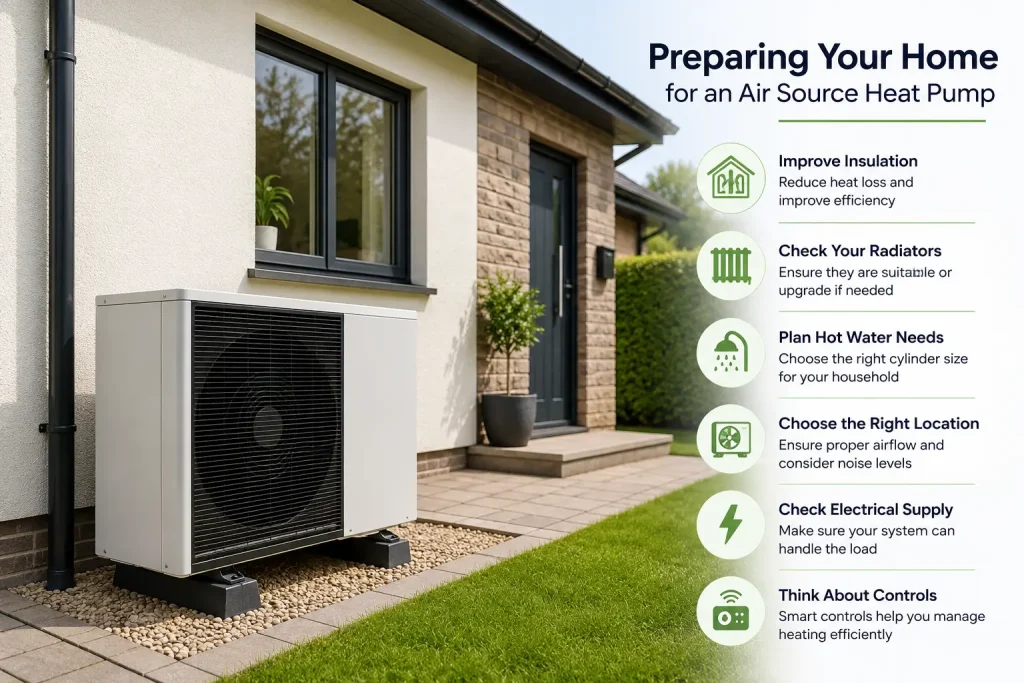
How to Prepare Your Home for an Air Source Heat Pump Installation Switching from a traditional heating system to an air source heat pump is a major home improvement, but good preparation can make the process much easier. Unlike a conventional boiler, a heat pump works most efficiently when your property is well insulated, properly designed and equipped with a heating system that can operate effectively at lower water temperatures. For homeowners considering an air source heat pump installation in the UK, understanding what needs to be prepared beforehand can help avoid unexpected costs and ensure the new system performs as efficiently as possible. Wunergy provides tailored air source heat pump installations and assesses properties before recommending an appropriate system. 1. Check Your Home’s Insulation One of the first things to consider is insulation. Heat pumps generally operate at lower flow temperatures than traditional gas boilers. This means your home needs to retain heat effectively rather than losing it quickly through the roof, walls, windows or floors. Before installation, check: Improving insulation can make your home more comfortable while helping the heat pump work more efficiently. It is not always necessary to carry out every possible insulation improvement. A professional assessment can help identify which upgrades are actually worthwhile for your property. 2. Assess Your Existing Radiators Another important part of preparing for a heat pump is checking your radiators. A gas boiler can produce very high water temperatures, allowing relatively small radiators to heat a room quickly. Heat pumps normally work at lower temperatures, so some existing radiators may not provide enough heat. During an assessment, the heating requirements of individual rooms can be considered. You may need: However, replacing every radiator is not automatically necessary. The right approach depends on your property’s heat-loss calculations and the condition and size of the existing heating system. 3. Consider Your Hot Water Requirements Preparing for an air source heat pump is not only about space heating. Most heat pump systems also provide domestic hot water, meaning your existing hot water cylinder may need to be replaced or upgraded. A suitable cylinder provides enough stored hot water for your household while working effectively with the heat pump. Think about your household’s typical usage: Providing this information during the initial survey helps the installer recommend an appropriately sized system. 4. Find a Suitable Outdoor Location An air source heat pump requires an outdoor unit because it extracts heat from the surrounding air. The location matters. The unit needs adequate airflow and should be positioned somewhere practical while considering noise, access and appearance. Potential locations may include: The outdoor unit should not simply be placed wherever there is spare space. The installer needs to assess the location carefully to ensure the system can operate properly. Wunergy’s systems are designed for efficient and relatively quiet operation, with some units specified at noise levels from around 42 dBA. 5. Check Your Electrical Supply Heat pumps use electricity to operate their compressor, fans, controls and other components. Before installation, your property’s electrical supply should therefore be assessed. An installer can determine whether the existing electrical infrastructure is appropriate for the proposed system and identify any work that may be required. This is particularly important when replacing an older heating system and adding new electrical equipment to the property. 6. Think About Where the Indoor Equipment Will Go The outdoor heat pump is only one part of the installation. Depending on the system and property, you may also require equipment such as: You should therefore consider where these components can be installed without unnecessarily reducing useful living or storage space. A professional survey should take available space into account when designing the system. 7. Review Your Current Heating Controls Modern heating controls can make a significant difference to how easily you manage your home’s heating. Before installation, consider how you currently control your heating. Do you use: Heat pumps often work best when operated differently from traditional boilers. Instead of rapidly heating a cold house, they are generally designed to provide consistent, efficient heating. Smart and connected controls can also make it easier to manage your system. Wunergy offers systems with Wi-Fi-connected control options on applicable installations. 8. Think About Your Daily Heating Habits Installing a heat pump can involve changing the way you use your heating. Many homeowners are accustomed to switching a boiler on for short periods and turning it off when they leave the house. Heat pumps are generally better suited to maintaining a stable indoor temperature over longer periods. Before making the switch, consider: Understanding your lifestyle allows the heating system and controls to be configured around your household. 9. Make Sure the Property Is Suitable Not every home requires the same heat pump system. Property size, insulation, construction, glazing, room layouts, existing radiators and hot water requirements can all affect the design. A small terrace house may require a very different solution from a large detached property. Wunergy currently offers systems across different capacities, with its website describing installations ranging from smaller domestic systems through to larger systems for bigger properties. This is why choosing a system based purely on the size of the boiler being replaced is not recommended. The heat pump should be correctly sized for the actual heating requirements of the property. 10. Choose an Experienced, Accredited Installer The installation itself is one of the most important parts of the process. A high-quality heat pump can still perform poorly if it is incorrectly sized, poorly installed or improperly commissioned. When comparing installers, look for: Wunergy states that it is MCS certified and handles the Boiler Upgrade Scheme application process for eligible customers. What Happens During a Heat Pump Survey? A professional survey should look at much more than simply where the outdoor unit can be positioned. The assessment may consider: The information gathered during the survey helps determine the appropriate system and installation requirements. Can You Keep Your Existing Radiators? In some homes, yes. Whether your existing radiators can
How to Prepare Your Home for an Air Source Heat Pump Installation
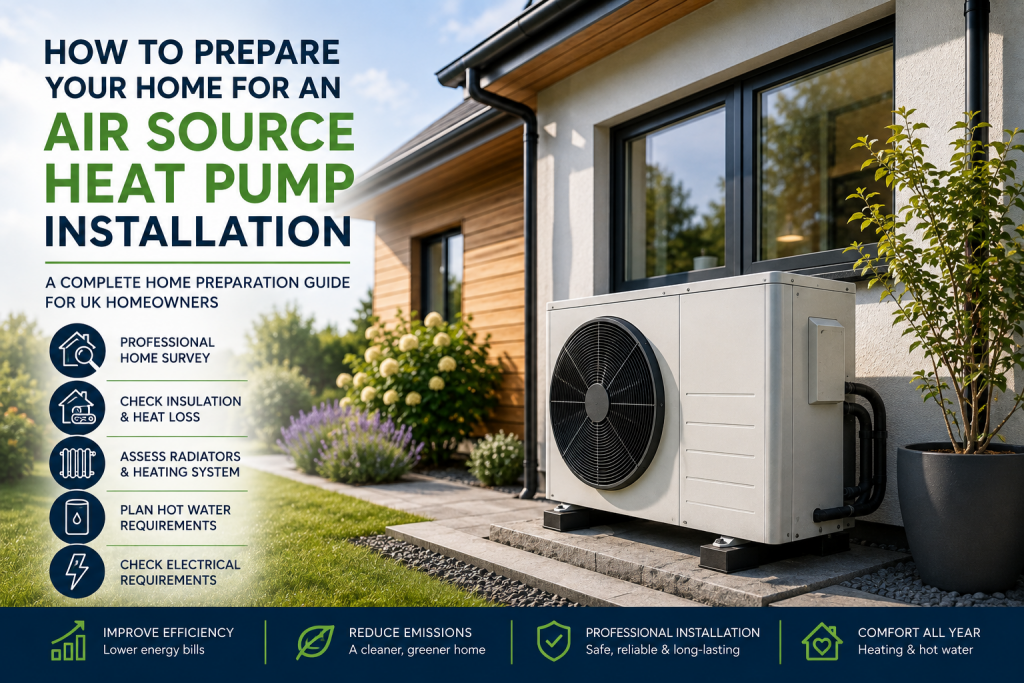
Air source heat pumps are becoming an increasingly popular option for UK homeowners who want a more efficient way to heat their homes. Unlike traditional heating systems that generate heat by burning fuel, an air source heat pump transfers heat from the outdoor air into your property. When properly designed and installed, the system can provide heating and hot water while helping reduce energy consumption and reliance on fossil fuels. However, choosing a heat pump is only the first step. Preparing your property correctly can have a significant impact on installation, performance, comfort and long-term efficiency. If you are considering an air source heat pump for your home, understanding what needs to be checked before installation can make the entire process much easier. From insulation and radiators to outdoor space and hot water requirements, several factors need to be considered before the system is installed. Why Home Preparation Matters Before Installing a Heat Pump An air source heat pump works differently from a conventional gas boiler. A boiler can quickly produce high-temperature water, while a heat pump generally works most efficiently by delivering heat at lower temperatures over longer periods. That difference means your home’s existing heating system, insulation and overall energy efficiency need to be considered carefully. A properly prepared property allows the heat pump to operate more efficiently and maintain a comfortable indoor temperature without unnecessary energy consumption. At Wunergy, each installation should be assessed according to the individual property rather than relying on a one-size-fits-all approach. A professional survey can identify the home’s heating requirements and highlight any improvements that may be beneficial before installation. 1. Start With a Professional Home Survey One of the most important steps is arranging a professional assessment before choosing your system. Every property is different. A small terraced house has very different heating requirements from a large detached property, while an older building may require different improvements compared with a modern, well-insulated home. A survey can consider factors such as: This information helps determine the appropriate heat pump capacity. Choosing a system simply because it has a particular kilowatt rating is not recommended. An oversized or undersized system may affect efficiency, comfort and operating costs. 2. Check Your Home’s Insulation Insulation is one of the most important considerations when preparing a property for low-temperature heating. Good insulation helps prevent heat from escaping through the roof, walls and floors. This reduces the amount of heat your heating system needs to replace. Before installation, homeowners should consider whether their property has suitable: This does not necessarily mean that every part of the property must be upgraded before a heat pump can be installed. The right improvements depend on the property’s condition and the results of a professional assessment. Improving insulation where appropriate can make it easier for a heat pump to maintain a stable indoor temperature. 3. Assess Your Existing Radiators Your existing radiators may be suitable for use with a heat pump, but this depends on their size, design and the heat requirements of each room. Because heat pumps generally operate at lower flow temperatures than traditional boilers, some properties may benefit from larger or higher-output radiators. This is why radiator assessment should form part of the planning process. Replacing every radiator is not automatically necessary. A professional installer can determine which radiators are appropriate and whether individual rooms require upgrades. In some cases, only selected radiators may need to be replaced. 4. Consider Underfloor Heating Underfloor heating can work particularly well with heat pumps because it provides a large surface area for distributing heat. Instead of concentrating heat through relatively small radiators, underfloor heating distributes warmth across a larger floor area. However, installing underfloor heating is a major project and is not essential for having an air source heat pump. Existing radiators can work with a heat pump when the system is correctly designed. If you are renovating your home at the same time as installing a heat pump, it may be worth discussing whether underfloor heating is appropriate for your property. 5. Think About the Outdoor Unit Location An air source heat pump requires an outdoor unit to extract heat from the surrounding air. The location of this unit should be considered carefully. The installer may assess: The unit should have sufficient airflow so it can operate effectively. A professional installer will also consider practical requirements such as how the system connects to the indoor heating components. Selecting the location early can help avoid unnecessary complications during installation. 6. Review Your Hot Water Requirements Preparing for a heat pump is not only about heating rooms. Most homes also need domestic hot water for showers, baths, washing and everyday household use. Depending on your existing setup, installing an air source heat pump may involve adding or upgrading a hot water cylinder. The size of the cylinder should reflect your household’s requirements. A larger family may require greater hot water storage than a one- or two-person household. Think about your typical hot water usage before the installation survey and discuss your requirements with your installer. 7. Understand How Your Heating Controls Will Change Heat pumps are designed to work differently from traditional boilers, so homeowners may need to adjust their expectations around heating controls. Instead of turning a boiler on for a short period to rapidly increase the temperature, a heat pump can be designed to provide steady, controlled heating. Modern systems can also incorporate smart controls, allowing homeowners to manage heating more conveniently. Wunergy’s systems include smart connected control options, allowing compatible systems to be managed through connected technology. Understanding how the controls work is important because correct operation can contribute to efficient performance. Your installer should explain the controls and show you how to use the system after commissioning. 8. Check Your Electrical Requirements Although heat pumps are highly efficient, they still require electricity to operate. Before installation, the electrical requirements of the proposed system should therefore be assessed. Your installer can determine whether the existing electrical setup is
Heat Pump Radiators: Do You Need to Replace Your Existing Radiators?
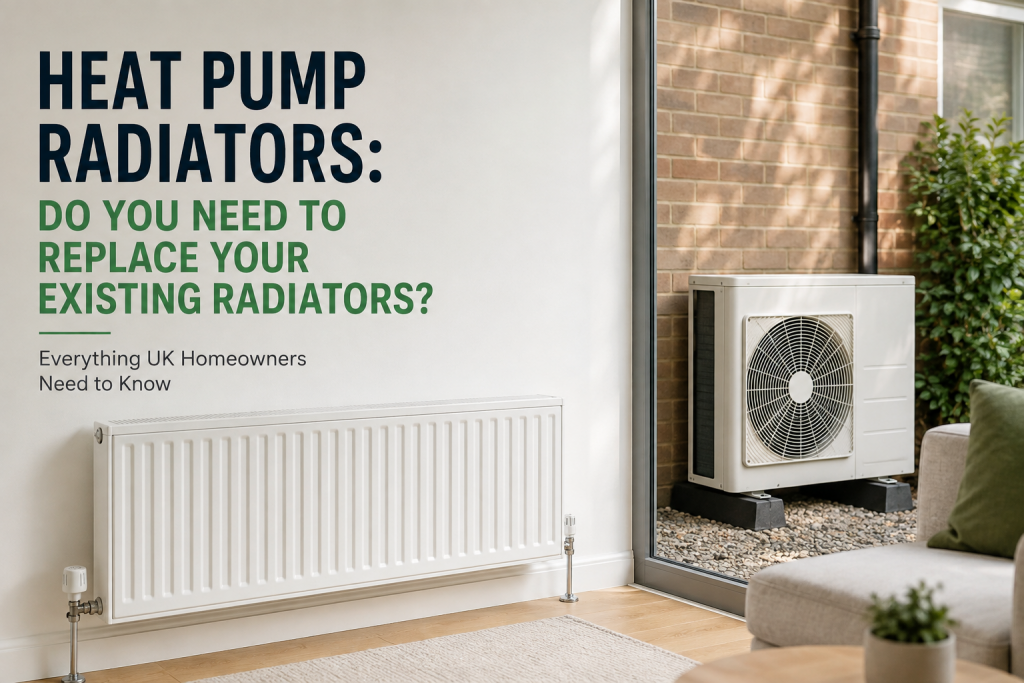
If you are considering replacing your gas boiler with an air source heat pump, one of the first questions you may have is whether your existing radiators will need to be replaced. It is a reasonable concern. Traditional boilers can produce very high water temperatures, while heat pumps generally operate more efficiently at lower flow temperatures. This difference means that the heating system inside your home needs to be properly assessed before installation. The good news is that you do not automatically need to replace every radiator. In many homes, existing radiators can continue to work with a heat pump. However, some properties may benefit from larger or more efficient radiators to deliver comfortable heating while allowing the heat pump to operate efficiently. For homeowners in Birmingham and across the West Midlands considering an air source heat pump, understanding how radiators affect performance can make the transition much easier. Why Are Radiators Important for a Heat Pump? An air source heat pump extracts heat energy from the outdoor air and transfers it into your home’s heating system. Unlike a conventional boiler, it does not generate heat by burning gas or another fossil fuel. Because heat pumps are designed to operate efficiently at lower water temperatures, the radiators need to be capable of transferring enough heat into the rooms. A radiator that works perfectly with a traditional high-temperature boiler may not provide exactly the same heat output when supplied with lower-temperature water. This does not necessarily mean the radiator is unsuitable. It simply means the system needs to be designed around the heat pump. The size, type and position of your radiators, together with your home’s insulation and heat-loss characteristics, all influence how effectively your heating system performs. Can Existing Radiators Work With an Air Source Heat Pump? Yes, existing radiators can often work with an air source heat pump. However, there is no universal answer because every property is different. A professional installer should assess the heating requirements of individual rooms rather than simply assuming that all existing radiators need to be replaced. For example, a recently renovated and well-insulated home may already have radiators that provide sufficient heat at lower flow temperatures. In another property, particularly one with older insulation or smaller radiators, upgrading certain radiators may be beneficial. The objective is not simply to install the biggest radiators possible. The aim is to create a balanced heating system that allows the heat pump to operate efficiently while maintaining comfortable indoor temperatures. Why Heat Pumps Use Lower Temperatures A conventional gas boiler can heat water to a relatively high temperature and send it around the central heating system. Heat pumps work differently. Their efficiency is closely connected to the temperature difference between the heat source and the water being heated. Generally, operating at a lower flow temperature can help a heat pump achieve better efficiency. This is why heat pump installations often involve a detailed assessment of radiators and other heat emitters. Rather than treating the heat pump as a simple boiler replacement, the entire heating system should be considered as one integrated system. What Determines Whether Your Radiators Are Suitable? Several factors can influence whether your existing radiators can be retained. 1. Radiator Size Larger radiators generally have a greater surface area through which heat can be transferred into the room. If a room currently relies on a relatively small radiator designed for high-temperature boiler operation, it may not provide enough heat when supplied with lower-temperature water. A larger radiator can increase heat output without requiring the system to operate at unnecessarily high temperatures. 2. Room Heat Loss Every room loses heat differently. External walls, windows, doors, ceilings, floors and ventilation can all contribute to heat loss. A room with significant heat loss may require a greater radiator output than a well-insulated internal room. This is why professional heat-loss calculations are important when planning an air source heat pump installation. 3. Home Insulation Insulation can have a major influence on heating requirements. If your property has poor insulation, more heat may escape through the building envelope. Improving insulation can reduce the amount of heat required to maintain a comfortable indoor temperature. In some cases, improving the property’s thermal performance can be just as important as changing the heating equipment itself. 4. Existing Heating Design The current design of your central heating system also matters. The number of radiators, their locations, pipework, controls and hot water arrangements can all influence the final design. A heat pump installer should look at the complete system rather than evaluating radiators in isolation. Do All Radiators Need to Be Replaced? No. One of the biggest misconceptions about heat pump installation is that every radiator must automatically be replaced. That is not necessarily the case. During a professional survey, each room can be assessed to determine its heating requirement. Some radiators may already have enough capacity, while others may need to be upgraded. This approach can prevent unnecessary work and help create a more cost-effective installation. For example, a home may only require larger radiators in rooms with greater heat loss, while existing radiators in other rooms can remain in place. What Type of Radiators Work Well With Heat Pumps? There is no single radiator type that is suitable for every property. The important consideration is the radiator’s ability to provide the required heat output at the operating temperature of the heating system. Depending on the property, suitable options may include larger panel radiators, double-panel radiators, double-convector designs or other high-output heating emitters. The correct choice depends on room size, insulation, heat-loss calculations, available wall space and the design temperature of the system. A professional installer should recommend radiator upgrades based on actual heating requirements rather than using a one-size-fits-all approach. What About Underfloor Heating? Underfloor heating can work particularly well with heat pumps because it provides a large surface area for transferring heat into a room. Because the heat is distributed across a large floor area, underfloor systems can operate effectively at
How Heat Pumps Work Even During Cold UK Winters
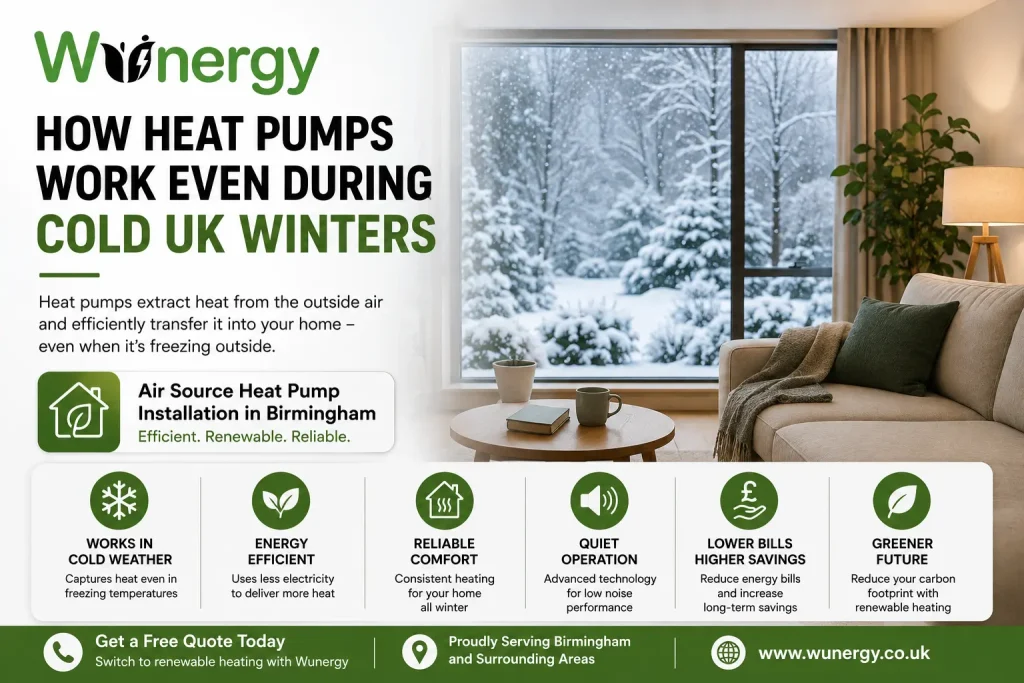
Many homeowners across the UK assume that heat pumps stop working once temperatures begin to fall. This is one of the biggest misconceptions surrounding renewable heating technology. Modern air source heat pumps are specifically engineered to perform efficiently even when outdoor temperatures drop below freezing, making them an excellent choice for British homes throughout the year. At Wunergy, we specialise in Air Source Heat Pump Installation in Birmingham, helping homeowners replace outdated heating systems with energy-efficient renewable solutions that provide reliable comfort in every season. Whether the weather is mild, rainy, frosty, or icy, modern heat pumps continue extracting heat from the outside air and delivering warmth inside your property. If you are considering upgrading your home’s heating system, understanding exactly how heat pumps operate during winter can help you make a confident long-term investment. Why Heat Pumps Still Work When It Is Freezing Outside Many people believe that cold air contains no heat. This is not true. Even when outdoor temperatures fall below zero, there is still thermal energy present in the air. Modern air source heat pumps are designed to capture this energy and transfer it into your home. Unlike traditional boilers, which create heat by burning fuel, heat pumps simply move existing heat from one location to another. This process requires significantly less electricity than producing heat directly, making the system much more energy efficient. Advanced compressor technology, intelligent sensors, and environmentally friendly refrigerants allow today’s heat pumps to continue operating effectively even when temperatures reach minus twenty degrees Celsius, depending on the system. This is why thousands of homes across the United Kingdom, including Birmingham, are successfully using air source heat pumps throughout winter. Understanding How an Air Source Heat Pump Works Although the technology may sound complex, the basic process is surprisingly simple. An outdoor unit absorbs heat from the surrounding air. Even during freezing weather, there is still usable thermal energy available. A special refrigerant inside the system absorbs this heat and evaporates into a gas. The compressor increases the pressure of the refrigerant, raising its temperature significantly. The heated refrigerant then transfers warmth into your home’s central heating system, where it supplies radiators, underfloor heating, or hot water. After releasing the heat, the refrigerant cools, and the cycle begins again. This continuous process provides efficient heating throughout the day while consuming considerably less electricity than conventional electric heating systems. Why Birmingham Homeowners Are Switching to Heat Pumps Energy prices have increased significantly over recent years, causing many homeowners to look for more efficient alternatives. Air source heat pumps have become one of the most popular renewable heating options because they provide: At Wunergy, our experienced engineers have helped many local homeowners benefit from professional Air Source Heat Pump Installation in Birmingham, ensuring every property receives a system designed specifically for its heating requirements. Cold Weather Performance Is Better Than Most People Expect One of the biggest myths is that heat pumps stop working once snow appears. The reality is very different. Countries such as Norway, Sweden, Finland, and Canada experience much colder winters than the United Kingdom, yet air source heat pumps are widely used there as the primary heating solution. Manufacturers design these systems specifically for cold climates by incorporating: These innovations allow heat pumps to continue producing heat even during prolonged periods of freezing weather. For Birmingham homeowners, where winter temperatures are generally much milder than Scandinavian countries, heat pumps perform exceptionally well. How the Defrost Cycle Keeps Your Heat Pump Running During extremely cold weather, moisture in the air may freeze on the outdoor coil. Modern air source heat pumps automatically detect frost buildup. The system temporarily reverses its operation for a short period, melting any accumulated ice before returning to normal heating mode. This automatic defrost cycle usually lasts only a few minutes and requires no homeowner intervention. It ensures the outdoor unit continues operating efficiently throughout winter without significant interruptions. Are Heat Pumps Efficient During Winter Yes. Modern air source heat pumps remain highly efficient during winter because they transfer heat rather than generate it. For every unit of electricity consumed, many systems can produce multiple units of usable heat depending on outdoor conditions, insulation levels, and system design. This efficiency makes heat pumps one of the most environmentally friendly heating solutions currently available for UK households. Proper installation is the key factor. At Wunergy, every Air Source Heat Pump Installation in Birmingham is carefully designed to maximise efficiency, ensuring homeowners receive reliable performance regardless of seasonal temperatures. Factors That Affect Winter Performance While heat pumps perform exceptionally well, several factors influence overall efficiency. Quality of Installation Professional system sizing ensures the heat pump can comfortably meet your property’s heating demand during the coldest days of the year. Home Insulation Well-insulated homes lose less heat, allowing the system to maintain comfortable temperatures with less energy. Heating Controls Smart thermostats help regulate indoor temperatures efficiently while reducing unnecessary energy consumption. Correct Radiator Design Some homes may benefit from larger radiators or underfloor heating to maximise system efficiency. Regular Servicing Annual maintenance helps maintain peak performance and extends equipment lifespan.
How Air Source Heat Pumps Can Future-Proof Your Home Against Rising Energy Costs
With energy prices continuing to fluctuate across the UK, homeowners are searching for reliable ways to reduce heating costs without sacrificing comfort. One of the most effective long-term solutions is an air source heat pump (ASHP). These modern heating systems provide excellent energy efficiency, lower carbon emissions, and can significantly reduce household energy bills when installed correctly. At Wunergy, we help homeowners make the transition to renewable heating with professionally installed, MCS-certified air source heat pump systems. We also guide customers through the Boiler Upgrade Scheme, making the switch more affordable with available government funding. Why Are More UK Homeowners Choosing Air Source Heat Pumps? Traditional gas boilers rely on burning fossil fuels to generate heat. Air source heat pumps work differently by extracting heat from the outside air and transferring it into your home’s heating system. Even during cold British winters, modern heat pumps continue to operate efficiently, making them a practical choice for homes throughout England. Some of the biggest benefits include: Save More with Government Grants One of the biggest advantages of installing an air source heat pump today is the Boiler Upgrade Scheme (BUS). Eligible homeowners can receive significant financial support towards installation, reducing the upfront investment required to upgrade to renewable heating. Wunergy manages the application process on behalf of customers, making everything simple from survey to installation. A Smart Investment for the Future Installing an air source heat pump is about more than reducing today’s energy bills. As energy efficiency becomes increasingly important, homes with renewable heating systems are better prepared for future energy regulations and rising fuel costs. Modern heat pumps also integrate well with underfloor heating, larger radiators, and solar energy systems, creating a complete low-carbon heating solution for years to come. Why Choose Wunergy? Choosing the right installer is just as important as choosing the right heating system. Wunergy provides: With installations across Birmingham, the West Midlands, and surrounding areas, Wunergy delivers energy-efficient heating solutions tailored to every property. Final Thoughts If you’re planning to replace an ageing boiler or simply want to lower your energy bills, an air source heat pump is one of the smartest investments you can make. With expert installation, government grant support, and high-performance heating technology, switching to renewable energy has never been easier. Contact Wunergy today to arrange a free home survey and discover how an air source heat pump can make your home warmer, greener, and more energy efficient.
How Air Source Heat Pumps Can Help NHS Buildings Reduce Energy Costs and Achieve Net Zero
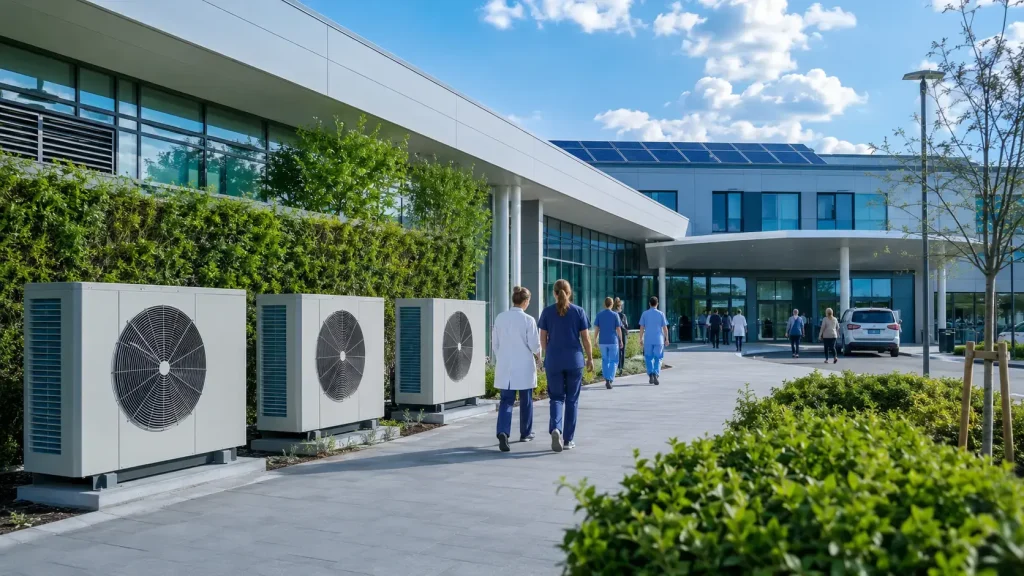
The National Health Service (NHS) operates one of the largest public estate portfolios in the United Kingdom, consisting of hospitals, GP surgeries, clinics, mental health facilities, and community healthcare centres. These buildings consume significant amounts of energy every day to provide heating, hot water, ventilation, and comfortable indoor environments for patients and healthcare professionals. With increasing pressure to reduce operational costs and achieve ambitious Net Zero targets, NHS organisations are actively exploring renewable heating technologies. Among the most effective solutions available today are air source heat pumps (ASHPs). Modern air source heat pumps offer exceptional efficiency, lower carbon emissions, and long-term financial savings, making them an ideal replacement for ageing gas boilers in many healthcare facilities. Government initiatives and the NHS Net Zero strategy are also encouraging greater adoption of low-carbon heating technologies across public sector buildings. Why the NHS Needs More Sustainable Heating Healthcare buildings require heating systems that operate reliably throughout the year. Traditional gas boilers have served this purpose for decades, but they also contribute significantly to carbon emissions and rising energy costs. The NHS has committed to becoming the world’s first national health service to achieve Net Zero emissions. Heating systems are one of the largest contributors to emissions across healthcare estates, making renewable heating technologies a major priority. Air source heat pumps provide an opportunity to modernise heating infrastructure while reducing dependence on fossil fuels. What Is an Air Source Heat Pump? An air source heat pump extracts renewable heat from the outside air and transfers it into a building to provide heating and hot water. Unlike conventional boilers that generate heat by burning fuel, heat pumps simply move existing heat energy, making them significantly more efficient. Even during cold British winters, modern heat pumps continue operating effectively because they are specifically designed for low-temperature climates. Heat pumps typically deliver around three units of heat for every unit of electricity used. Benefits of Air Source Heat Pumps for NHS Buildings Lower Energy Costs Healthcare facilities consume energy around the clock. Heat pumps operate at efficiencies of approximately 300–400%, helping NHS trusts significantly reduce heating costs over the lifetime of the system when correctly designed and installed. Reduced Carbon Emissions Replacing fossil fuel heating with renewable technology helps NHS organisations reduce their environmental impact. Lower carbon emissions contribute directly to NHS sustainability goals while improving local air quality. Reliable Year-Round Heating Hospitals and healthcare centres cannot afford heating failures. Modern air source heat pumps are engineered to deliver consistent heating performance even during freezing temperatures. Advanced inverter compressors automatically adjust output to maintain comfortable indoor temperatures while reducing unnecessary energy consumption. Quiet Operation Noise is an important consideration within healthcare environments. Today’s premium heat pump systems operate at very low sound levels, making them suitable for hospitals, clinics, GP surgeries, and residential healthcare facilities. Improved Energy Efficiency Ratings Installing renewable heating technology can improve a building’s overall energy performance. This supports NHS estate improvement programmes while reducing long-term maintenance costs. Supporting NHS Net Zero Targets The NHS has already invested heavily in energy efficiency improvements including: Heat pumps play a central role within this strategy because heating accounts for a significant proportion of building emissions. By replacing ageing boilers with air source heat pumps, healthcare providers move closer to achieving Net Zero while reducing long-term operating expenses. Suitable NHS Facilities Air source heat pumps are suitable for many healthcare environments, including: Every property requires a professional assessment to determine the appropriate heat pump capacity and system design. Smart Heating Controls Modern heat pump installations can integrate with intelligent building management systems. Features often include: These technologies help NHS estates teams optimise performance while reducing unnecessary energy consumption. Long-Term Financial Savings Although renewable heating systems require an initial investment, the long-term financial benefits can be substantial. Savings come from: When combined with available government funding and public-sector decarbonisation initiatives, many projects become even more cost-effective. Professional Installation Matters Healthcare facilities require specialist planning before installing renewable heating systems. An experienced installer will assess: Proper system design ensures maximum efficiency, reliability, and comfort. Why Choose Wunergy? At Wunergy, we specialise in designing and installing high-performance air source heat pump systems across England. Our experienced engineers deliver tailored renewable heating solutions for residential and commercial properties, with MCS-certified installations and support for available government grants where applicable. We focus on energy efficiency, reliable performance, and long-term savings to help organisations transition to low-carbon heating with confidence. Final Thoughts As the NHS continues its journey toward a cleaner and more sustainable future, air source heat pumps represent one of the most practical investments available. They offer lower energy costs, significant carbon reductions, improved efficiency, and dependable year-round performance. For healthcare providers seeking to modernise their heating infrastructure while supporting environmental goals, air source heat pumps are a future-ready solution that delivers lasting value. With expert design and installation from Wunergy, NHS facilities can move confidently toward a more efficient, low-carbon future.
Can Air Source Heat Pumps Increase Your Home’s Value?
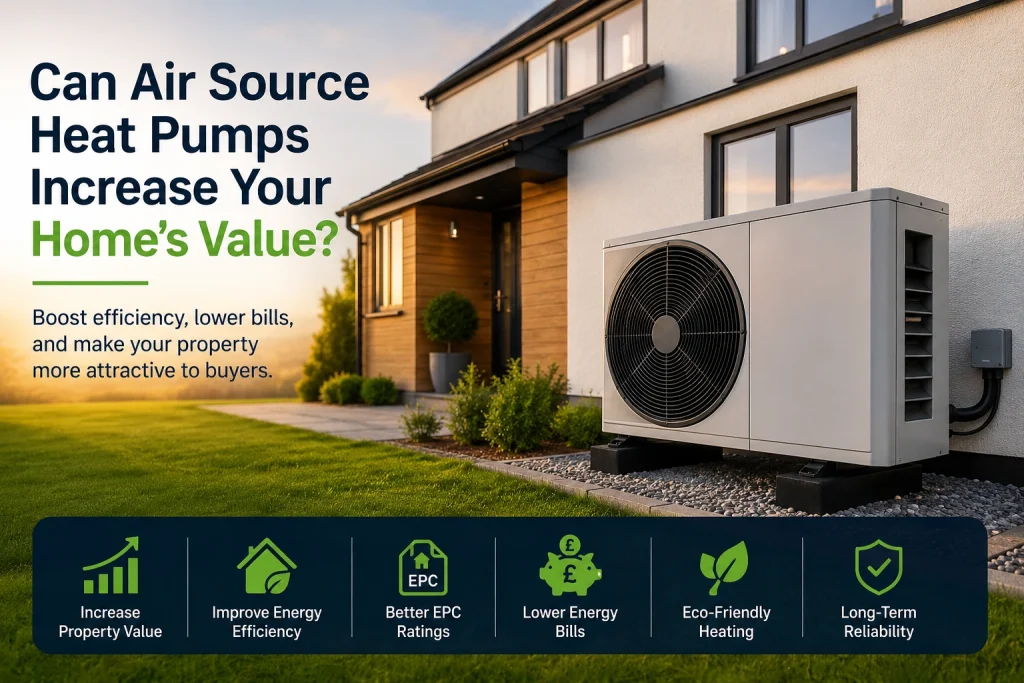
If you’re planning to improve your home while reducing energy bills, installing an air source heat pump is one of the smartest investments you can make. Homebuyers are increasingly looking for energy-efficient properties that offer lower running costs and a smaller environmental footprint. An air source heat pump not only delivers efficient heating and hot water but can also make your property more attractive in today’s housing market. At Wunergy, we provide professional air source heat pump installation across England, helping homeowners enjoy long-term savings, improved comfort, and access to government incentives. As an MCS-certified installer, we also handle the Boiler Upgrade Scheme application on your behalf, making the process simple and stress-free. Why Energy Efficiency Matters to Homebuyers Energy performance has become a major factor for anyone buying a home. Rising energy costs have encouraged buyers to look beyond location and appearance, placing greater importance on running costs and sustainability. Homes with modern heating systems often stand out because they offer: An air source heat pump checks all of these boxes, making it a valuable long-term upgrade. Can a Heat Pump Really Add Value? While the exact increase varies depending on location, property type, and local demand, energy-efficient improvements can positively influence buyer interest and resale value. A professionally installed air source heat pump demonstrates that the property has already invested in sustainable heating technology. This can reduce concerns about future boiler replacements and ongoing energy expenses. Potential buyers often appreciate: These advantages can help your property attract more interest when it comes time to sell. Lower Running Costs Make Homes More Attractive One of the biggest selling points of an air source heat pump is its efficiency. Unlike traditional boilers that generate heat by burning fuel, heat pumps transfer heat from the outside air into your home. This process allows them to produce several units of heat for every unit of electricity consumed, making them significantly more efficient than conventional heating systems. Lower heating costs can become a major advantage when prospective buyers compare similar homes. Government Grants Reduce Installation Costs Many homeowners are surprised to learn that substantial financial support is available when upgrading to a heat pump. Eligible households can receive support through the Boiler Upgrade Scheme, helping reduce the upfront installation cost. Wunergy assists customers throughout the application process and applies the available grant directly to qualifying installations. This financial assistance makes renewable heating more affordable while increasing the long-term value of your property. Better EPC Ratings An Energy Performance Certificate plays an increasingly important role in property sales. Improving your home’s energy efficiency with an air source heat pump may contribute to a stronger EPC rating, depending on the property’s insulation and overall heating system. A higher EPC rating can: Many buyers now actively compare EPC ratings before arranging viewings. Environmental Benefits Appeal to Modern Buyers Sustainability has become a priority for many homeowners. Installing an air source heat pump helps reduce reliance on fossil fuels while lowering household carbon emissions. Buyers looking to reduce their environmental impact often prefer homes already equipped with renewable heating technology. Choosing greener heating today can make your property more competitive tomorrow. Long-Term Reliability Modern air source heat pumps are designed for durability. With proper installation and regular servicing, many systems provide reliable heating for 15–20 years. This gives buyers confidence that they are purchasing a home with an efficient heating solution that is built to last. Why Choose Wunergy? Selecting the right installer is just as important as choosing the right heat pump. Wunergy offers: Every installation is designed around your property’s heating requirements to maximise comfort, efficiency, and long-term performance. Final Thoughts Installing an air source heat pump is more than just a heating upgrade—it’s an investment in your home’s future. Lower energy bills, improved energy efficiency, reduced carbon emissions, and government funding all contribute to making your property more attractive to future buyers. If you’re considering upgrading your home’s heating system, Wunergy can help you find the right solution with expert advice and professional installation. A modern heat pump can provide comfort today while adding long-term value for tomorrow.
Air Source Heat Pumps vs Gas Boilers, Which Is the Better Choice for UK Homes?
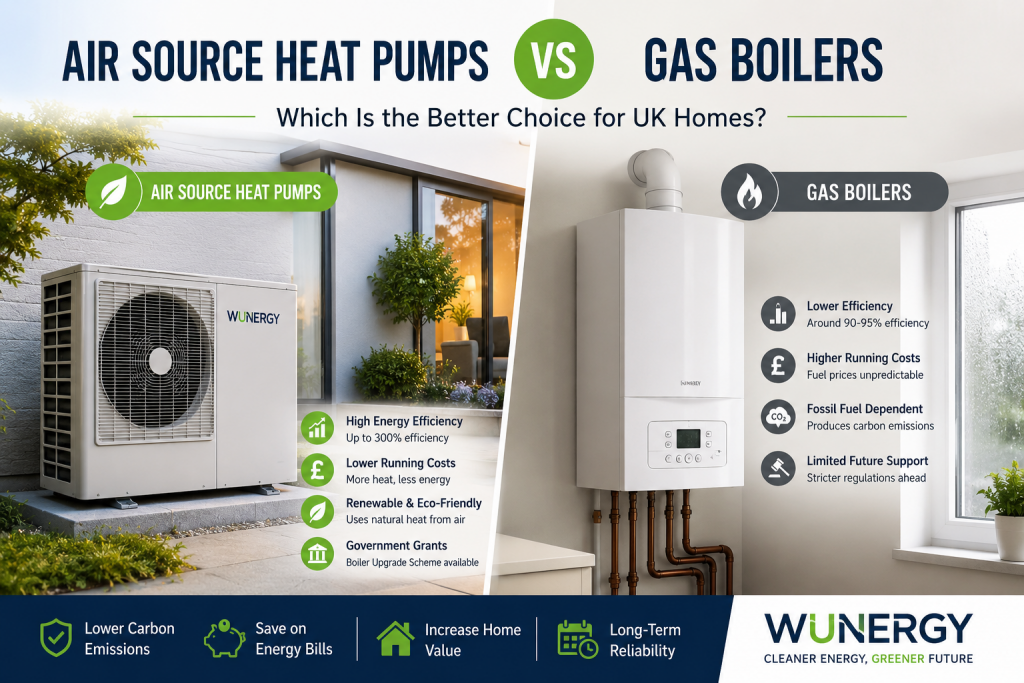
As UK homeowners face rising energy costs and increasing pressure to reduce carbon emissions, choosing the right heating system has become more important than ever. Traditional gas boilers have been the standard for decades, but air source heat pumps are rapidly becoming the preferred alternative due to their energy efficiency, lower environmental impact, and government support. If you’re planning to upgrade your home’s heating system, this guide explains the key differences between air source heat pumps and gas boilers, helping you make an informed decision. Understanding Air Source Heat Pumps An air source heat pump (ASHP) captures heat from the outside air and transfers it into your home to provide heating and hot water. Unlike gas boilers, which create heat by burning fuel, heat pumps simply move existing heat, making them significantly more energy efficient. Modern systems continue to perform effectively even during cold UK winters. At Wunergy, every installation is completed by MCS-certified engineers and tailored to suit your property’s heating requirements, ensuring reliable comfort and long-term performance. How Gas Boilers Work Gas boilers generate heat by burning natural gas. While they have served homeowners well for many years, they depend on fossil fuels and produce carbon emissions. As energy regulations become stricter and sustainability becomes a priority, many households are considering cleaner alternatives. Energy Efficiency Comparison One of the biggest differences between these two systems is efficiency. Air Source Heat Pumps Gas Boilers For homeowners looking to reduce long-term energy expenses, air source heat pumps offer a clear advantage. Environmental Benefits Reducing household carbon emissions has become a national priority across the UK. Air Source Heat Pumps Gas Boilers Running Costs Although installing an air source heat pump typically costs more initially, operating costs are usually much lower because of the system’s high efficiency. Factors affecting running costs include: Over the system’s lifespan, many homeowners recover the higher installation cost through reduced energy bills and available government incentives. Government Grants One of the biggest reasons many homeowners are switching is financial support through the UK Boiler Upgrade Scheme. Eligible homeowners can receive substantial grants toward the installation cost, with Wunergy handling the application process on the customer’s behalf as part of its installation service. This significantly reduces the upfront investment, making renewable heating more affordable. Installation Process Air Source Heat Pump Installation Installation generally includes: Professional installers ensure the system is correctly sized to maximise efficiency and comfort. Maintenance Requirements Both systems require regular servicing. Heat Pumps Gas Boilers Noise Levels Modern air source heat pumps are much quieter than many homeowners expect. Today’s systems typically operate at around 42–45 dB, similar to a quiet conversation or household refrigerator, making them suitable for residential properties. Which Homes Are Suitable? Air source heat pumps work well in: The key requirement is correct system design rather than property age. Long-Term Value Installing an air source heat pump can provide long-term benefits beyond lower energy bills. These include: Air Source Heat Pump vs Gas Boiler Feature Air Source Heat Pump Gas Boiler Energy Efficiency Excellent Good Carbon Emissions Very Low High Renewable Energy Yes No Government Grants Available Limited Running Costs Lower Higher Lifespan 20+ Years 10–15 Years Future Compliance Excellent Declining Why Choose Wunergy? Wunergy specialises in supplying and installing high-performance air source heat pumps for homes across England. Their experienced MCS-certified engineers provide a complete service, from the initial survey through installation and aftercare, ensuring every customer receives a heating solution designed for maximum efficiency and long-term savings. They also manage the Boiler Upgrade Scheme application process, making it easier for eligible homeowners to benefit from available government funding. Final Thoughts While gas boilers have served UK homes for many years, air source heat pumps represent the future of domestic heating. They offer greater energy efficiency, lower carbon emissions, reduced running costs, and access to valuable government incentives. If you’re planning to replace an ageing boiler or want a cleaner, more efficient heating system, an air source heat pump is a smart long-term investment. With professional installation from Wunergy, you can enjoy reliable comfort, lower energy bills, and a more sustainable home for years to come.
How Long Does a Heat Pump Last? Lifespan and Maintenance Tips
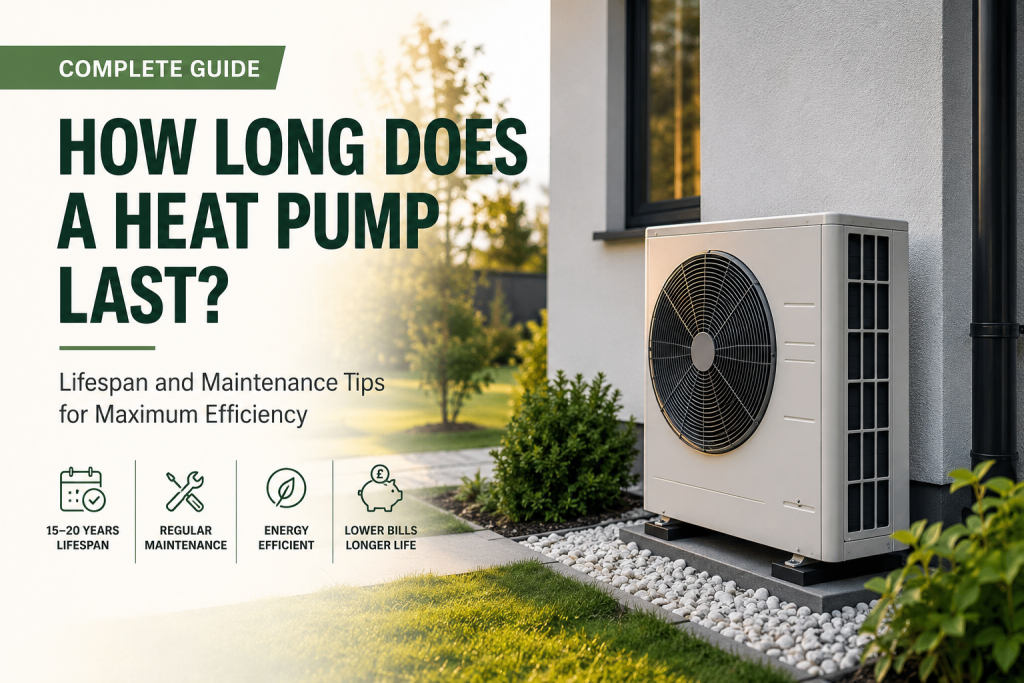
Air source heat pumps have become one of the most popular heating solutions for UK homeowners looking to reduce energy bills and lower their carbon footprint. While many people understand the energy-saving benefits of these systems, one of the most common questions is, how long does a heat pump last? The good news is that a well-installed and properly maintained heat pump can provide reliable heating and hot water for many years. Understanding what affects its lifespan and how to care for it can help you maximise your investment while keeping your home comfortable throughout every season. Average Heat Pump Lifespan A modern air source heat pump typically lasts 15 to 20 years. Some premium systems continue operating efficiently for more than 20 years when they receive regular servicing and are installed correctly. Compared with many traditional gas boilers, heat pumps often offer a longer service life because they rely on advanced technology designed for continuous, efficient operation rather than combustion. The lifespan of your system depends on several factors, including installation quality, usage patterns, local weather conditions, and routine maintenance. Factors That Affect Heat Pump Lifespan Every home is different, and several elements can influence how long your heat pump continues performing at its best. Professional Installation A quality installation is the foundation of a long-lasting heat pump. Correct sizing, proper pipework, accurate refrigerant levels, and good airflow all help reduce unnecessary strain on the system. Choosing experienced installers ensures your heat pump operates as efficiently as possible from day one. Quality of the Equipment Not all heat pumps are manufactured to the same standards. High-quality systems built by trusted manufacturers generally include durable components, advanced compressors, and smart controls that contribute to longer operating life. Regular Maintenance Routine servicing keeps every component working efficiently. Small issues can be identified before they become costly repairs, helping extend the overall lifespan of the system. Climate Conditions The UK’s climate is generally suitable for air source heat pumps. Although colder temperatures increase demand during winter, modern units are specifically designed to perform efficiently even when temperatures fall below freezing. Daily Usage Heat pumps work best when maintaining a consistent indoor temperature instead of being switched on and off repeatedly. Stable operation places less stress on the compressor and other essential components. Signs Your Heat Pump Is Ageing Even a well-maintained system will eventually begin showing signs of wear. Some common indicators include: If your system is approaching 15 to 20 years old and repairs are becoming more frequent, it may be more economical to consider replacing it. Heat Pump Maintenance Tips Simple maintenance can significantly extend the life of your heating system. Clean the Outdoor Unit Leaves, dirt, grass, and debris can block airflow around the outdoor unit. Keep at least one metre of clear space around the system and remove any build-up regularly. Inspect Air Filters Dirty filters reduce airflow and force the system to work harder. Cleaning or replacing filters according to the manufacturer’s recommendations improves efficiency and indoor comfort. Keep Vents Clear Avoid placing furniture, curtains, or storage boxes in front of indoor vents. Good airflow allows the heat pump to distribute warmth evenly throughout your home. Schedule Annual Servicing A professional inspection once each year ensures refrigerant levels, electrical connections, fans, compressors, and controls are operating correctly. Preventative servicing often costs far less than emergency repairs. Monitor System Performance Pay attention to unusual sounds, error codes, or changes in heating performance. Addressing small problems early can prevent expensive component failures later. Can Maintenance Really Increase Lifespan? Absolutely. Regular maintenance reduces wear on mechanical components, keeps efficiency levels high, and helps prevent avoidable failures. Homeowners who invest in annual servicing often experience: Maintenance is one of the simplest ways to protect the value of your heating investment. When Should You Replace Your Heat Pump? Replacement may be worth considering if: Modern heat pumps are quieter, smarter, and more energy efficient than many older models, allowing homeowners to enjoy improved comfort while reducing running costs. Why Professional Installation Matters Even the highest-quality heat pump cannot reach its full lifespan without proper installation. At Wunergy, every installation is carefully designed to match the property’s heating requirements. Professional system sizing, expert installation, and ongoing support help homeowners enjoy reliable, efficient heating for many years. Whether you’re installing your first air source heat pump or replacing an older system, working with experienced professionals gives your investment the best possible start. Final Thoughts A quality air source heat pump can comfortably last 15 to 20 years, and in many cases even longer with proper care. Regular servicing, good installation practices, and simple maintenance routines all play an important role in extending its lifespan. By looking after your heat pump today, you can enjoy lower energy bills, dependable heating, and improved efficiency for many years to come. Investing in preventative maintenance is far more cost-effective than dealing with unexpected repairs, making it one of the smartest decisions any homeowner can make.